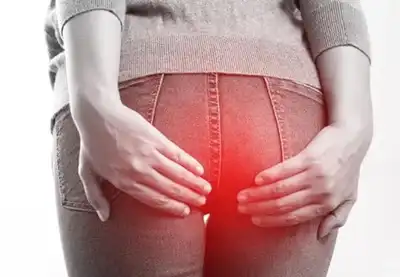
What is an Anal Fissure?
An Anal Fissure is a small tear or cut in the lining of the anal canal, usually caused by passing hard stools or straining during bowel movements. This tear exposes sensitive nerve endings, leading to sharp pain, burning, and bleeding during or after stool passage. Unlike piles, which are swollen veins, a fissure is an actual wound that can become chronic if not treated on time. It may occur due to constipation, diarrhea, childbirth, trauma, or underlying digestive disorders. Although painful, anal fissures are treatable, and early care helps prevent chronic complications.
What are the common symptoms of an Anal Fissure?
Symptoms usually appear suddenly and may include:
- Sharp, stinging, or cutting pain during bowel movements
- Burning pain lasting minutes to hours after stool
- Bright red blood on the toilet paper or in stool
- A visible tear near the anus (in some cases)
- Itching or irritation around the anus
- Spasms in the anal sphincter
- Fear of passing stool due to severe pain
- In chronic cases: skin tags or non-healing wounds
If ignored, fissures may keep reopening and become chronic.
What causes an Anal Fissure?
Anal fissures occur when the delicate anal lining is stretched or injured. Common causes include:
- Chronic constipation and hard stools
- Excessive straining during bowel movements
- Prolonged diarrhea
- Pregnancy or normal delivery
- Low-fiber diet
- Dehydration
- Anal trauma
- Inflammatory bowel disorders (Crohn’s disease, ulcerative colitis)
- Sedentary lifestyle
- Weak digestion or irregular bowel habits
Who is at risk of developing an Anal Fissure?
You are at higher risk if you:
- Suffer from chronic constipation
- Have a low-fiber diet
- Strain frequently during stool
- Are pregnant or recently delivered
- Sit for long hours
- Are dehydrated or avoid water
- Have digestive diseases
- Experience repeated diarrhea
Is an Anal Fissure a serious condition?
While not life-threatening, anal fissures can be extremely painful and disrupt daily activities. If untreated, they may become chronic, heal slowly, or lead to muscle spasms that worsen constipation. Chronic fissures may require long-term medical support. Early treatment ensures faster healing and reduces recurrence.
How is an Anal Fissure diagnosed?
Diagnosis usually involves:
- Clinical examination of the anal area
- Patient history of pain, bleeding, or constipation
- Digital rectal examination (in chronic cases only)
- Anoscopy to evaluate internal tearing (if needed)
Most cases are diagnosed based on symptoms without any invasive testing.
How is an Anal Fissure treated?
Treatment aims to heal the tear, relieve pain, and prevent recurrence.
Conventional Medical Treatment
- Stool softeners
- Pain-relief medications
- Local anesthetic gels
- Nitroglycerin or calcium channel cream for muscle relaxation
- Warm sitz baths
- High-fiber diet
- Adequate hydration
Severe or persistent fissures may require Botox injections or surgery, but these are considered only when conservative treatment fails.
How is an Anal Fissure treated through homeopathy?
Homoeopathy offers a gentle and natural approach that focuses on healing the tear, reducing pain, correcting bowel habits, and strengthening digestion to prevent recurrence.
Individualized Approach
At Dr. Sanjay’s Homoeopathy, treatment is personalized based on pain pattern, stool nature, triggers, emotional stress, and digestive health. Remedies aim to improve blood flow, relax anal muscles, and promote natural healing.
Commonly Used Homoeopathic Medicines for Anal Fissure
- Nitric Acid – For sharp, splinter-like pain and bleeding
- Ratanhia – For burning pain after stool, relieved by cold water
- Graphites – For fissures with dryness and constipation
- Aesculus Hipp – For anal pain with stiffness or piles
- Calcarea Fluor – For chronic, non-healing fissures
- Silicea – For recurring fissures with infection tendency
Benefits of Homoeopathic Treatment
- Promotes natural healing of the tear
- Reduces pain and burning effectively
- Prevents recurrence by correcting bowel habits
- Safe for long-term use without side effects
- Helpful even in chronic or repeated fissures
- Improves digestion and regularity
Home Remedies and Lifestyle Tips for Anal Fissure
- Drink 8–10 glasses of water daily
- Add fiber-rich foods: fruits, vegetables, oats, salads
- Avoid spicy and oily foods
- Take warm sitz baths 2–3 times daily
- Use a stool softener if advised
- Avoid straining during bowel movements
- Exercise regularly to aid digestion
- Do not ignore the urge to pass stool
- Maintain good anal hygiene
Can an Anal Fissure be prevented?
Yes. Prevention is possible by maintaining soft stools, drinking enough water, eating a fiber-rich diet, avoiding straining, and keeping good bowel habits. Early treatment prevents chronic fissures.
Why choose Dr. Sanjay’s Homoeopathy for Anal Fissure Treatment in Lucknow, India?
Dr. Sanjay’s Homoeopathy is a trusted clinic for safe and effective Anal Fissure treatment in Lucknow, India. With years of expertise, Dr. Singh Sanjay provides specialised homeopathy treatment that helps relieve sharp anal pain, burning, bleeding during stool, itching, constipation-related discomfort, and muscle spasms naturally without side effects. As a leading homeopathic doctor for Anal Fissure in Lucknow, he follows international treatment standards and offers personalised care that focuses on healing the tear, reducing inflammation, easing bowel movements, and preventing recurrence. Patients choose Dr. Sanjay’s Homoeopathy for its holistic healing, long-lasting relief, and compassionate approach in managing painful anal conditions like Anal Fissure.
Patients from across the world trust Dr. Sanjay’s Homoeopathy for the best Anal Fissure Treatment in Lucknow, India. Dr. Sanjay Singh successfully treats thousands of patients with Anal Fissure Problems that making him the best doctor for Anal Fissure Treatment in Lucknow, India.