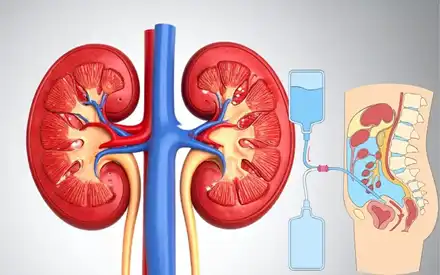
Acute Glomerulonephritis (AGN) in children is a condition in which the tiny filtering units of the kidneys, called glomeruli, become inflamed. This inflammation affects the kidneys’ ability to remove waste products and excess fluid from the blood, leading to symptoms such as blood in the urine, swelling, reduced urine output, and high blood pressure. AGN often develops after a bacterial or viral infection, especially a streptococcal throat or skin infection. With early diagnosis and appropriate treatment, many children recover well, but prompt medical evaluation is essential to prevent complications.
What is Acute Glomerulonephritis?
Acute Glomerulonephritis is a sudden inflammation of the kidney’s filtering structures. When these filters become inflamed, they may leak blood and protein into the urine and may not function efficiently.
The condition can occur in children of different ages, but is most commonly seen in school-aged children following certain infections.
What are the Symptoms of Acute Glomerulonephritis in Children?
The symptoms can appear suddenly and vary in severity. Common signs include:
- Blood in the urine, making it appear pink, red, brown, or cola-colored
- Swelling around the eyes, face, feet, or ankles
- Reduced urine output
- High blood pressure
- Fatigue or weakness
- Loss of appetite
- Headache
- Nausea or vomiting
- Shortness of breath due to fluid retention in severe cases
- Mild fever in some children
Parents should seek immediate medical attention if a child develops blood in the urine, significant swelling, or difficulty breathing.
What are the Causes of Acute Glomerulonephritis in Children?
Several conditions can trigger AGN, including:
- Recent streptococcal throat infection
- Skin infections caused by streptococcal bacteria
- Viral infections
- Autoimmune disorders
- Certain immune system reactions
- Rare hereditary kidney conditions
Post-streptococcal glomerulonephritis is one of the most common forms seen in children.
Which Children are at Higher Risk?
Children at increased risk include:
- School-aged children between 5 and 12 years
- Children with recent throat or skin infections
- Children with autoimmune diseases
- Children with a family history of kidney disorders, in some cases
Types of Acute Glomerulonephritis
- Post-Infectious Glomerulonephritis: Occurs after bacterial or viral infections and is one of the most common types in children.
- IgA Nephropathy: Caused by abnormal deposits of IgA antibodies in the kidneys, sometimes leading to recurrent blood in the urine.
- Lupus-Related Glomerulonephritis: Develops as part of autoimmune diseases such as lupus.
- Rapidly Progressive Glomerulonephritis: A rare but serious form that requires urgent specialist treatment.
How is Acute Glomerulonephritis Diagnosed?
Doctors diagnose AGN through medical history, physical examination, and laboratory investigations.
Diagnostic tests may include:
- Urine examination for blood and protein
- Blood tests for kidney function
- Blood pressure measurement
- Complement level testing
- Streptococcal antibody tests
- Kidney ultrasound
- Kidney biopsy in selected cases
These tests help determine the cause, severity, and appropriate treatment plan.
Treatment for Acute Glomerulonephritis in Children
Medical Treatment
Treatment depends on the underlying cause and may include medications to control blood pressure, reduce swelling, manage infections, and support kidney function.
Fluid and Dietary Management
Children may be advised to limit salt intake and follow individualized fluid recommendations to reduce swelling and blood pressure.
Homeopathic Treatment
Homeopathy focuses on supporting overall kidney health, improving immunity, promoting recovery, and enhancing general well-being naturally in children recovering from kidney inflammation. At Dr. Sanjay’s Homoeopathy, treatment is individualized according to the child’s symptoms, urinary findings, immunity, nutritional status, and constitutional profile. The clinic follows a holistic approach designed to complement appropriate pediatric nephrology care and long-term monitoring.
Hospital Care
Children with severe swelling, uncontrolled blood pressure, breathing difficulty, or impaired kidney function may require hospitalization and close monitoring.
Acute Glomerulonephritis Homeopathic Remedies for Children
Homeopathic medicines are prescribed based on an individualized assessment by a qualified physician.
Apis Mellifica
Often considered for swelling, puffiness, and reduced urine output.
Arsenicum Album
May be used in selected cases with weakness, restlessness, and generalized debility.
Cantharis
Sometimes considered when urinary irritation and discomfort are prominent.
Terebinthina
May be recommended in individualized cases involving blood in the urine and kidney irritation.
Apocynum Cannabinum
Often considered in homeopathic practice for fluid retention and edema under professional supervision.
Homeopathic treatment should always be supervised by an experienced homeopathic doctor and should not replace urgent medical or nephrology care.
Complications of Untreated Acute Glomerulonephritis
Without timely diagnosis and treatment, AGN may lead to:
- Persistent high blood pressure
- Severe fluid retention
- Acute kidney injury
- Electrolyte imbalance
- Heart and lung complications due to excess fluid
- Chronic kidney disease in some cases
Early medical intervention significantly improves outcomes.
How Can Parents Support a Child with Acute Glomerulonephritis?
Parents can help by:
- Following prescribed medications carefully
- Monitoring urine output and swelling
- Attending regular follow-up appointments
- Encouraging a low-salt diet if advised
- Ensuring adequate rest and recovery
- Seeking prompt treatment for throat or skin infections
Frequently Asked Questions (FAQs)
What is acute glomerulonephritis in children?
It is a condition in which the kidney’s filtering units become inflamed, affecting their ability to remove waste and excess fluid from the body.
What are the common symptoms of acute glomerulonephritis?
Common symptoms include blood in the urine, swelling around the eyes or legs, reduced urine output, high blood pressure, and fatigue.
Can a throat infection cause acute glomerulonephritis?
Yes. In some children, AGN develops after a streptococcal throat or skin infection due to an immune response.
Can homeopathy help children with acute glomerulonephritis?
Homeopathy may support overall well-being, recovery, and general health naturally alongside appropriate medical treatment and pediatric nephrology care.
When should parents seek emergency medical attention?
Parents should seek immediate medical care if the child develops severe swelling, difficulty breathing, very little urine output, severe headache, seizures, or blood in the urine.
Why choose Dr. Sanjay’s Homoeopathy for Acute Glomerulonephritis Treatment in Children in Lucknow, India?
At Dr. Sanjay’s Homoeopathy, children with kidney-related disorders receive advanced and holistic homeopathic supportive care under the expert guidance of Dr. Sanjay Singh, MD (Homoeopathy), who has over 22 years of experience in treating pediatric and chronic health conditions naturally. The clinic is trusted by parents from Lucknow, across India, and internationally for its personalized treatment plans, detailed evaluations, and compassionate approach. Every child is carefully assessed according to kidney health, urinary symptoms, immunity, nutritional status, and constitutional profile to provide individualized supportive care aimed at improving overall well-being naturally. Dr. Sanjay’s Homoeopathy works alongside appropriate pediatric nephrology management and provides honest guidance regarding specialist care whenever required.