Introduction
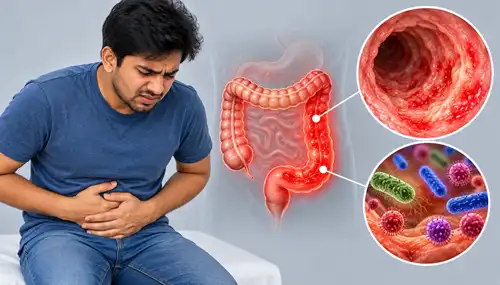
Infectious colitis is a condition in which the colon, also known as the large intestine, becomes inflamed due to an infection caused by bacteria, viruses, or parasites. It commonly causes diarrhoea, abdominal cramps, fever, nausea, and changes in bowel movements. In some cases, the stool may contain blood or mucus.
The condition can develop after consuming contaminated food or water, coming into contact with an infected person, or taking certain antibiotics that disrupt the normal balance of intestinal bacteria. Symptoms range from mild digestive discomfort to severe illness with dehydration and other complications.
Early diagnosis and appropriate treatment are important, particularly for young children, older adults, pregnant people, and individuals with weakened immune systems. Treatment depends on the infectious organism responsible and the severity of the illness.
What is Infectious Colitis?
Infectious colitis is inflammation of the colon caused by harmful microorganisms. These organisms may damage the intestinal lining, trigger an inflammatory response, and interfere with the normal absorption of water and electrolytes.
As a result, affected individuals may experience frequent loose stools, abdominal pain, urgency to pass stool, and sometimes rectal bleeding.
Infectious colitis differs from non-infectious forms of colitis, which may develop due to inflammatory bowel disease, reduced blood supply to the colon, radiation exposure, or certain medications.
Identifying the underlying cause is essential because different infections may require different treatments. Some cases resolve with supportive care, while others need specific prescription medication or hospital treatment.
What are the Symptoms of Infectious Colitis?
Symptoms can begin within hours or days of exposure, depending on the organism responsible. Some infections cause mild symptoms, while others lead to severe inflammation.
Common symptoms include:
- Diarrhea: Frequent loose or watery stools are among the most common symptoms.
- Abdominal cramps: Pain may occur in the lower abdomen or across the stomach.
- Fever: An elevated body temperature may accompany the infection.
- Nausea and vomiting: These symptoms may occur alongside diarrhoea.
- Blood or mucus in the stool: Certain infections can damage or irritate the intestinal lining.
- Urgency to pass stool: Some people feel a persistent need to have a bowel movement, even when little stool is passed.
- Loss of appetite: Digestive discomfort may reduce the desire to eat.
- Weakness and fatigue: Fluid loss and reduced food intake can cause tiredness.
- Dehydration: Severe diarrhoea and vomiting can lead to excessive fluid and electrolyte loss.
Symptoms such as bloody diarrhoea, severe abdominal pain, persistent vomiting, or signs of dehydration require prompt medical assessment.
What are the Causes of Infectious Colitis?
Infectious colitis can be caused by several types of microorganisms. The most common route of transmission is through contaminated food, water, hands, or surfaces.
1. Bacterial Infections
Several bacteria can cause intestinal infections and inflammation of the colon.
Examples include:
- Salmonella: Often associated with contaminated food, including undercooked eggs, poultry, and other contaminated products.
- Campylobacter: Commonly linked to contaminated poultry, untreated water, and other sources of foodborne infection.
- Shigella: Can spread through contaminated food or water and person-to-person contact. It may cause fever and bloody diarrhoea.
- Shiga toxin-producing Escherichia coli (STEC): Certain strains can cause severe abdominal cramps and bloody diarrhoea. Some infections may lead to a serious kidney complication called haemolytic uraemic syndrome.
- Clostridioides difficile (C. difficile): This bacterium can cause diarrhoea and inflammation of the colon, often during or after antibiotic treatment.
The appropriate treatment depends on the specific bacterium and the patient’s clinical condition. Antibiotics are not necessary or appropriate for every bacterial intestinal infection.
2. Viral Infections
Viruses can cause gastroenteritis and, in some cases, inflammation involving the colon.
Examples include:
- Norovirus: A highly contagious virus that can spread through contaminated food, water, surfaces, and close contact.
- Rotavirus: A cause of gastrointestinal illness, particularly in young children.
- Cytomegalovirus (CMV): May cause significant colitis in people with severely weakened immune systems.
Viral infections commonly cause watery diarrhoea, vomiting, nausea, and abdominal cramps. Treatment usually focuses on hydration and supportive care, although selected patients may require specialist treatment.
3. Parasitic Infections
Parasites can also infect the intestinal tract and cause prolonged or severe symptoms.
Examples include:
- Entamoeba histolytica: Causes amoebiasis and may lead to amoebic colitis, abdominal pain, and bloody diarrhoea.
- Cryptosporidium: Can cause watery diarrhoea, especially after exposure to contaminated water.
- Giardia: Commonly causes diarrhoea, bloating, and abdominal discomfort, although it primarily affects the small intestine rather than the colon.
Some parasitic infections require specific prescription medicines. Accurate diagnosis helps ensure that the correct treatment is used.
Risk Factors for Infectious Colitis
Although anyone can develop an intestinal infection, certain circumstances may increase the risk of infection or severe illness.
Risk factors include:
- Eating raw or undercooked food that contains harmful microorganisms.
- Drinking contaminated or untreated water.
- Poor hand hygiene after using the toilet or before handling food.
- Travelling to areas where sanitation and water safety are limited.
- Close contact with someone who has an infectious gastrointestinal illness.
- Recent antibiotic use, which can increase the risk of C. difficile infection.
- A weakened immune system.
- Being very young or older.
- Living in or visiting settings where infections can spread easily, such as childcare facilities or healthcare facilities.
Understanding these risk factors can help people take preventive measures and recognise when medical evaluation may be necessary.
Types of Infectious Colitis
Infectious colitis can be classified according to the microorganism responsible.
1. Bacterial Colitis
Bacterial colitis develops when harmful bacteria cause inflammation of the colon. Symptoms may include diarrhoea, fever, abdominal cramps, and sometimes blood in the stool. Treatment depends on the bacterium and may involve supportive care or targeted medication.
2. Viral Colitis
Viral infections can cause gastrointestinal symptoms, including diarrhoea and vomiting. In most otherwise healthy individuals, management focuses on fluid replacement and monitoring for complications.
3. Parasitic Colitis
Parasitic infections may cause persistent diarrhoea, abdominal discomfort, and sometimes bloody stools. The diagnosis and treatment depend on the parasite involved.
4. Antibiotic-Associated Colitis
Antibiotic-associated colitis may occur when antibiotic treatment disrupts the normal intestinal microbiome. One important cause is C. difficile infection, which can range from mild diarrhoea to severe, potentially life-threatening inflammation of the colon.
Diarrhoea during or after antibiotic treatment should be discussed with a healthcare professional, particularly when it is frequent, persistent, or accompanied by fever or abdominal pain.
Diagnosis of Infectious Colitis
Diagnosis involves assessing symptoms, identifying possible exposure to infectious organisms, and determining whether laboratory testing is needed.
1. Medical History
A healthcare professional may ask about:
- The duration and frequency of diarrhoea.
- The presence of blood or mucus in the stool.
- Fever, vomiting, and abdominal pain.
- Recent travel and food or water exposure.
- Contact with people experiencing similar symptoms.
- Recent antibiotic use or hospitalisation.
- Existing medical conditions and medications.
2. Physical Examination
The examination may include checking temperature, heart rate, blood pressure, hydration status, and abdominal tenderness. Severe tenderness or signs of dehydration may indicate a need for urgent treatment.
3. Stool Tests
Stool testing may be recommended when symptoms are severe or persistent, blood is present, an outbreak is suspected, or the patient has particular risk factors.
Tests may include stool culture, molecular tests that detect microbial genetic material, or specific tests for parasites and C. difficile.
4. Blood Tests
Blood tests may help evaluate dehydration, electrolyte abnormalities, kidney function, and signs of significant inflammation or complications.
5. Imaging and Endoscopy
Imaging studies or colonoscopy are not required for most uncomplicated intestinal infections. They may be considered when the diagnosis remains uncertain, symptoms are severe, or complications and alternative causes of colitis need to be investigated.
Treatment for Infectious Colitis
Treatment depends on the organism, the severity of symptoms, the patient’s age and health, and the presence of complications.
1. Rehydration
Replacing lost fluids and electrolytes is a key part of treatment. Oral rehydration solution (ORS) is often helpful for people with diarrhoea because it replaces both water and essential salts.
Take frequent small sips if nausea makes drinking difficult. People who cannot retain fluids or have severe dehydration may need intravenous fluids in a healthcare facility.
2. Appropriate Medication
Medication should be selected according to the likely or confirmed cause.
- Bacterial infections: Some infections require antibiotics, while others improve with supportive care alone. Certain infections, including suspected STEC infection, need particular caution because antibiotics may increase the risk of complications.
- Viral infections: Most are managed with fluids and supportive care. Antibiotics do not treat viruses.
- Parasitic infections: Specific antiparasitic medication may be required.
- C. difficile infection: Confirmed cases may require specific prescription antibiotics and careful monitoring, depending on severity and recurrence risk.
Do not start leftover antibiotics or self-prescribe medication for suspected infectious colitis.
3. Dietary Support
When tolerated, continue eating small portions of familiar, easily tolerated foods. There is generally no need to fast. Choose foods that do not worsen symptoms and maintain adequate fluid intake.
People with persistent vomiting or severe diarrhoea may need individualised advice from a healthcare professional.
4. Caution With Anti-Diarrhoeal Medicines
Medicines that slow bowel movements, such as loperamide, are not suitable for every case. They should generally be avoided in bloody diarrhoea, diarrhoea accompanied by fever, and suspected severe inflammatory or C. difficile-associated colitis unless a clinician specifically advises otherwise.
5. Hospital Treatment
Severe infectious colitis may require hospital care for intravenous fluids, electrolyte correction, targeted medication, and monitoring for complications. Rarely, severe intestinal damage or other complications may require specialist intervention or surgery.
Homeopathic Treatment for Infectious Colitis
Some people consider homeopathic consultations for digestive symptoms or recurring gastrointestinal concerns. However, infectious colitis is an infection-related inflammatory condition that may require prompt diagnosis, fluid replacement, and organism-specific treatment.
People experiencing diarrhoea with fever, blood in the stool, severe abdominal pain, or dehydration should seek appropriate medical care rather than relying on homeopathic remedies. Delaying effective treatment can be dangerous, especially in children, older adults, and people with weakened immune systems.
Lifestyle Tips to Prevent Infectious Colitis
Prevention focuses on reducing exposure to infectious microorganisms and limiting their spread.
Wash Hands Thoroughly
Wash hands with soap and water after using the toilet, changing nappies, and handling raw food, and before eating or preparing meals. Soap and water are particularly important for controlling certain gastrointestinal infections, including norovirus and C. difficile.
Practise Food Safety
- Cook meat, poultry, seafood, and eggs appropriately.
- Wash fruits and vegetables under safe running water.
- Keep raw foods separate from cooked and ready-to-eat foods.
- Refrigerate perishable food promptly.
- Avoid food that has been stored unsafely.
Drink Safe Water
Use treated or otherwise safe drinking water. When travelling in areas with uncertain water quality, follow local public-health guidance about bottled, boiled, or treated water.
Avoid Cross-Contamination
Clean food preparation surfaces and utensils after contact with raw meat or other potentially contaminated ingredients.
Use Antibiotics Responsibly
Antibiotics should be taken only when prescribed for an appropriate indication. Unnecessary antibiotic use can contribute to antibiotic resistance and increase the risk of C. difficile infection.
Reduce Transmission at Home
People with diarrhoea should avoid preparing food for others while ill and follow appropriate hygiene precautions. Follow local healthcare or public-health guidance about when it is safe to return to work, school, or childcare.
Complications of Infectious Colitis
Many cases resolve without serious complications, but severe infections can cause significant health problems.
Potential complications include:
- Dehydration: Excessive fluid loss can cause dizziness, weakness, reduced urination, and low blood pressure.
- Electrolyte imbalance: Loss of salts through diarrhoea and vomiting can affect normal body functions.
- Kidney complications: Certain STEC infections can lead to haemolytic uraemic syndrome, which may damage the kidneys.
- Severe colon inflammation: Some infections can cause extensive inflammation and, rarely, toxic megacolon or bowel perforation.
- Persistent symptoms: Some intestinal infections cause prolonged diarrhoea or lingering digestive problems.
- Sepsis: In severe cases, an infection can trigger a life-threatening response throughout the body.
When Should You Seek Medical Attention?
Seek urgent medical care if you or someone in your care develops:
- Blood in the stool or black, tarry stools.
- Severe or worsening abdominal pain.
- Frequent diarrhoea with signs of dehydration.
- Persistent vomiting that prevents fluid intake.
- Very little urine, fainting, confusion, or marked drowsiness.
- High or persistent fever with significant illness.
- Diarrhoea during or after antibiotic treatment, particularly with abdominal pain or fever.
Infants, older adults, pregnant people, and individuals with weakened immune systems may need earlier assessment. Seek emergency care for collapse, confusion, severe weakness, or other signs of a life-threatening illness.
Frequently Asked Questions About Infectious Colitis
What is infectious colitis?
Infectious colitis is inflammation of the colon caused by bacteria, viruses, or parasites. It commonly causes diarrhoea, abdominal cramps, and sometimes fever or blood in the stool.
What are the common symptoms of infectious colitis?
Common symptoms include watery or bloody diarrhoea, abdominal pain, cramps, fever, nausea, vomiting, urgency to pass stool, and dehydration.
What causes infectious colitis?
It may be caused by bacteria such as Salmonella, Shigella, Campylobacter, certain strains of E. coli, or C. difficile, as well as viruses and parasites. Contaminated food, water, and contact with infected individuals are common routes of transmission.
Is infectious colitis contagious?
Many infections that cause colitis can spread between people, directly or through contaminated hands, surfaces, food, or water. The risk and precautions depend on the organism responsible.
How is infectious colitis diagnosed?
Diagnosis may involve a medical history, physical examination, stool testing, and blood tests when indicated. Further investigations may be necessary in severe or atypical cases.
What is the treatment for infectious colitis?
Treatment depends on the cause. Rehydration is important, and some bacterial or parasitic infections require specific medication. Antibiotics are not appropriate for every infection.
How long does infectious colitis last?
The duration varies according to the organism, severity, and the person’s health. Some infections improve within a few days, while others can cause prolonged symptoms or complications. Persistent or worsening symptoms require medical assessment.
Can infectious colitis cause blood in the stool?
Yes. Certain infections can inflame or damage the intestinal lining and cause bloody diarrhoea. Blood in the stool should be assessed promptly rather than treated with self-selected medication.
Why choose Dr. Sanjay’s Homoeopathy for Infectious Colitis Treatment in Lucknow, India?
Dr. Sanjay’s Homoeopathy is a trusted Homeopathy Centre for Infectious Colitis Treatment in Lucknow, India. With more than 22 years of experience, Dr. Sanjay Singh, MD (Homoeopathy) follows an individualized consultation approach that considers the patient’s symptoms, medical history, lifestyle, and previous treatment. People experiencing severe abdominal cramps, watery or bloody stools, fever, dehydration, or persistent digestive distress can discuss their concerns and learn about available care options in a patient-focused environment. Identifying the underlying pathogen and gut imbalance remains an important part of effective care, and patients should continue necessary clinical evaluation and medical treatment as advised by their healthcare professional. Patients from across the world trust Dr. Sanjay’s Homoeopathy for Infectious Colitis Treatment in Lucknow, India.