Introduction
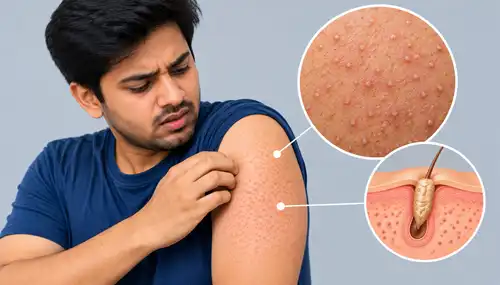
Keratin plugs are small, rough bumps that form when keratin and dead skin cells accumulate inside hair follicles. They commonly appear on the upper arms, thighs, buttocks, and cheeks. The bumps may be white, red, pink, brown, or similar to the surrounding skin, depending on a person’s skin tone and the degree of irritation.
Keratin plugs are often associated with keratosis pilaris, a common and harmless skin condition sometimes called “chicken skin.” Although the bumps may affect the skin’s texture and appearance, they are generally not dangerous. Gentle skincare and appropriate moisturising products can help improve roughness and dryness.
Understanding the causes, symptoms, and available treatment options can help people manage keratin plugs without irritating or damaging their skin.
What are Keratin Plugs?
Keratin plugs are small accumulations of keratin and dead skin cells that block the openings of hair follicles. Keratin is a natural protein that helps form and protect the skin, hair, and nails.
Normally, dead skin cells shed from the skin’s surface. When keratin builds up around a hair follicle, it can form a small, firm bump. When many follicles are affected, the skin may feel rough or resemble sandpaper.
Keratin plugs are not the same as ordinary acne pimples. They usually do not contain pus and are not caused by the same process as typical acne lesions.
In many cases, keratin plugs are harmless and may become less noticeable over time. However, persistent, inflamed, or unusual bumps should be assessed by a healthcare professional to confirm the diagnosis.
What are the Symptoms of Keratin Plugs?
The appearance of keratin plugs varies according to skin tone, dryness, and the number of affected hair follicles.
Common symptoms include:
- Small, raised bumps: Tiny bumps develop around hair follicles.
- Rough skin texture: The affected area may feel like sandpaper.
- Skin-coloured or reddish bumps: Lesions may appear white, pink, red, brown, or similar to the surrounding skin.
- Dryness: The skin around the bumps may feel dry or rough.
- Mild itching: Some people experience itching, particularly when their skin is dry.
- Clusters of bumps: Multiple plugs may develop close together, creating patches of uneven skin.
- Seasonal changes: Bumps may become more noticeable during cold or dry weather.
Keratin plugs are usually painless. Pain, bleeding, significant swelling, or pus may indicate another skin problem and should not automatically be attributed to keratin plugs.
What are the Causes of Keratin Plugs?
Keratin plugs develop when keratin and dead skin cells accumulate inside hair follicles. The exact reason this happens varies, and not every contributing factor is fully understood.
- Excess Keratin Accumulation: Keratin is essential for normal skin function. However, when it collects around the openings of hair follicles, it can form small plugs that produce visible bumps.
- Dry Skin: Dry skin can make keratin plugs feel rougher and appear more prominent. Cold weather, low humidity, and hot showers may worsen dryness.
- Genetic Predisposition: Keratin plugs and keratosis pilaris can run in families. A person may be more likely to develop these bumps if close relatives have a similar skin condition.
- Associated Skin Conditions: Keratosis pilaris is more common in people with certain skin conditions, including eczema and ichthyosis vulgaris. A history of asthma or hay fever may also be associated with an increased likelihood of developing keratosis pilaris.
- Friction and Skin Irritation: Repeated rubbing from tight clothing, aggressive scrubbing, or picking at bumps can irritate the affected area. These actions may increase redness and discomfort, even if they do not cause the underlying condition.
Types of Keratin Plugs and Similar Skin Bumps
The term “keratin plugs” can describe more than one appearance. Identifying the type of bump is important because similar-looking skin conditions may require different treatments.
- Keratin Plugs Associated With Keratosis Pilaris: These usually appear as numerous tiny, rough bumps on the upper arms, thighs, cheeks, or buttocks. The skin may feel dry and uneven, and the bumps often occur in clusters.
- Keratin Plugs Around Individual Hair Follicles: Some people develop isolated, firm bumps around individual follicles. These may be harmless, but persistent or unusual lesions should be examined if their cause is unclear.
- Sebum Plugs: Sebum plugs form when oil and dead skin cells accumulate in pores. They are commonly associated with acne and may appear on the nose, forehead, chin, or other areas prone to breakouts. Unlike typical keratin plugs associated with keratosis pilaris, sebum plugs may occur alongside blackheads, whiteheads, and inflammatory acne lesions.
- Ingrown Hairs: Ingrown hairs occur when hair grows back into the skin or becomes trapped beneath its surface. They can cause red bumps, tenderness, and sometimes pus. Shaving, waxing, and curly hair may increase the likelihood of ingrown hairs.
A healthcare professional can help distinguish these conditions when the appearance is uncertain.
Who Is More Likely to Develop Keratin Plugs?
Keratin plugs can affect people of any age, but they are particularly common in children and teenagers.
Factors associated with an increased likelihood include:
- A family history of keratosis pilaris.
- Dry or rough skin.
- Eczema or other conditions associated with dry skin.
- Asthma or hay fever.
- Cold or dry environmental conditions.
- Hormonal and developmental changes during adolescence.
Keratin plugs are not contagious. They do not spread from one person to another through physical contact.
Diagnosis of Keratin Plugs
Keratin plugs are generally diagnosed through a clinical examination. A doctor or dermatologist examines the bumps, their distribution, their texture, and any associated symptoms.
The assessment may include:
- Medical history: Questions about when the bumps started, whether they itch, and whether similar skin changes occur in family members.
- Skin examination: Inspection of the affected areas for follicular bumps, dryness, redness, and signs of inflammation.
- Differential diagnosis: Checking whether the appearance is more consistent with acne, folliculitis, eczema, ingrown hairs, or another skin condition.
Routine laboratory testing is usually unnecessary when the appearance is typical. Additional investigations may be considered if the diagnosis is uncertain or another condition is suspected.
Treatment for Keratin Plugs
Keratin plugs are usually harmless and may not require medical treatment. When the bumps cause dryness, itching, or cosmetic concerns, skincare measures and selected topical products may help improve the skin’s texture.
1. Regular Moisturisation
Applying a moisturiser helps reduce dryness and makes rough skin feel smoother. Creams containing ingredients such as ceramides or glycerin may help support the skin barrier.
Moisturisers containing urea or lactic acid may also help soften rough areas. Some formulations can cause stinging or irritation, particularly on sensitive or broken skin.
2. Gentle Exfoliation
Mild exfoliating products may help remove accumulated dead skin cells and reduce the rough appearance of keratin plugs.
Depending on the skin and severity, a dermatologist may recommend products containing:
- Lactic acid.
- Salicylic acid.
- Glycolic acid.
- Urea.
These products should be introduced carefully. Excessive exfoliation can damage the skin barrier and worsen redness, dryness, and irritation.
3. Appropriate Cleansing
Use a gentle, fragrance-free cleanser and lukewarm water. Avoid harsh soaps, vigorous scrubbing, and excessively hot showers, which may aggravate dryness.
4. Prescription Treatments
If the bumps persist or cause significant irritation, a dermatologist may recommend prescription treatments based on the diagnosis. Selected topical retinoids or other medications may be appropriate in certain cases.
Prescription products can cause side effects, so they should be used according to professional advice. Retinoids require particular caution during pregnancy.
5. Dermatological Procedures
For selected persistent cases, a dermatologist may discuss procedures such as laser treatment or other specialist skin-resurfacing approaches. These are not necessary for most people, and results vary.
Treatment often controls the appearance of keratin plugs rather than permanently eliminating the tendency to develop them.
Homeopathic Treatment for Keratin Plugs
People sometimes seek homeopathic care for recurring skin concerns, including rough bumps, dryness, and keratin plugs. A consultation may involve discussing the duration of symptoms, the affected areas, associated itching, previous treatments, and general skin-care habits.
For people considering homeopathic consultation, it is important to understand these limitations and discuss any products being used with a qualified healthcare professional. Evidence-based skincare and dermatological assessment remain the appropriate approaches for managing persistent or troublesome bumps.
Lifestyle Tips to Manage Keratin Plugs
Consistent skincare can help reduce dryness and make keratin plugs less noticeable.
- Keep the Skin Moisturised: Apply a suitable moisturiser after bathing while the skin is still slightly damp. People with persistent dryness may need to moisturise more than once daily.
- Avoid Picking or Squeezing: Do not dig into, squeeze, or attempt to extract the plugs. These actions may lead to inflammation, infection, and scarring.
- Use Lukewarm Water: Long, hot showers can increase skin dryness. Keep bathing routines gentle and avoid rubbing the skin aggressively with towels.
- Wear Comfortable Clothing: Tight clothing can increase friction around affected areas. Choose comfortable fabrics that do not repeatedly rub against the bumps.
Introduce Exfoliating Products Gradually
Avoid combining several exfoliating products at once. If a product causes burning, marked redness, or increased irritation, stop using it and seek advice if symptoms persist.
Be Patient With Results
Skin texture often improves gradually. It may take several weeks of consistent skincare to notice a difference, and the bumps can return when treatment is stopped.
When Should You See a Doctor?
Although keratin plugs are generally harmless, not every small bump is caused by keratin accumulation.
Consult a healthcare professional if:
- The bumps are painful, bleeding, or very itchy.
- The affected area becomes increasingly red, swollen, or warm.
- Pus or other signs of infection develop.
- The bumps spread rapidly or change in appearance.
- The skin problem does not improve with gentle skincare.
- You are unsure whether the bumps are keratin plugs, acne, folliculitis, or another condition.
Seek prompt medical advice for rapidly worsening inflammation, severe pain, fever associated with a skin infection, or other concerning symptoms.
Frequently Asked Questions About Keratin Plugs
What are keratin plugs?
Keratin plugs are small accumulations of keratin and dead skin cells that block hair follicles. They often produce tiny, firm, rough bumps on the skin.
Are keratin plugs dangerous?
Most keratin plugs are harmless. However, painful, bleeding, rapidly changing, or infected-looking bumps should be assessed because they may have another cause.
What causes keratin plugs on the skin?
They develop when keratin and dead skin cells accumulate around hair follicle openings. Dry skin and genetic factors may contribute, particularly in people with keratosis pilaris.
Are keratin plugs the same as keratosis pilaris?
Not exactly. Keratin plugs describe the accumulation blocking a follicle, while keratosis pilaris is a common condition in which many follicles develop small, rough bumps.
How can I get rid of keratin plugs?
Gentle moisturisation and carefully selected exfoliating products may improve their appearance. Persistent cases may benefit from advice from a dermatologist. Avoid squeezing or aggressively scrubbing the bumps.
Can keratin plugs go away on their own?
Yes. They may become less noticeable over time, and keratosis pilaris often improves with age. Some people continue to experience recurring bumps.
Can keratin plugs appear on the face?
Yes. They may appear on the cheeks, particularly in children. Facial bumps can also be caused by acne or other skin conditions, so persistent or uncertain cases should be assessed.
Do keratin plugs mean that my skin is dirty?
No. Keratin plugs are not a sign of poor hygiene. Excessive washing and scrubbing can worsen dryness and irritation.
Why choose Dr. Sanjay’s Homoeopathy for Keratin Plugs Treatment in Lucknow, India?
Dr. Sanjay’s Homoeopathy is a trusted Homeopathy Centre for Keratin Plugs Treatment in Lucknow, India. With more than 22 years of experience, Dr. Sanjay Singh, MD (Homoeopathy) follows an individualized consultation approach that considers the patient’s symptoms, medical history, lifestyle, and previous treatment. People experiencing rough, bumpy skin, clogged hair follicles, persistent texture issues, or associated irritation can discuss their concerns and learn about available care options in a patient-focused environment. Identifying the underlying skin factors and contributing triggers remains an important part of effective care, and patients should continue necessary dermatological skin care as advised by their healthcare professional. Patients from across the world trust Dr. Sanjay’s Homoeopathy for Keratin Plugs Treatment in Lucknow, India.