Introduction
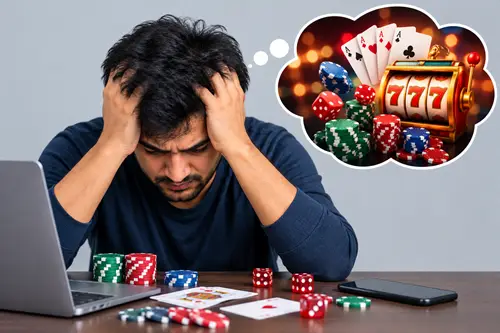
Gambling disorder, commonly known as gambling addiction or compulsive gambling, is a mental health condition in which a person experiences persistent difficulty controlling gambling behaviour despite its negative effects on finances, relationships, work, education, and emotional well-being. A person with gambling disorder may continue betting on sports, playing casino games, using online gambling platforms, or participating in other forms of gambling even after experiencing significant losses.
Unlike occasional recreational gambling, gambling addiction involves a pattern of behaviour that becomes difficult to control. Some people repeatedly gamble to recover lost money, while others use gambling to cope with stress, anxiety, loneliness, or other uncomfortable emotions.
Gambling disorder can affect people of different ages and backgrounds. It may lead to debt, family conflict, anxiety, depression, sleep disturbances, and other serious consequences. However, recovery is possible with appropriate psychological treatment, practical support, and strategies to reduce access to gambling.
Understanding the symptoms, causes, diagnosis, and treatment options for gambling disorder is an important step towards seeking help.
What is Gambling Disorder?
Gambling disorder is a recognised mental health condition characterised by impaired control over gambling, increasing priority given to gambling over other activities, and continued gambling despite harmful consequences.
A person experiencing gambling addiction may spend more money or time gambling than intended, make repeated unsuccessful attempts to stop, hide gambling activities from family members, or borrow money to continue betting.
Gambling disorder may involve online or offline activities, including sports betting, casino games, card games played for money, lotteries, and other forms of wagering. The specific activity is less important than the person’s loss of control and the harm associated with the behaviour.
According to the World Health Organization’s International Classification of Diseases, 11th Revision (ICD-11), gambling disorder is classified among disorders due to addictive behaviours. Diagnosis considers the pattern of gambling, its consequences, and the resulting distress or impairment in daily functioning.
Important: A person does not need to lose all their savings or experience a financial crisis before seeking help. Gambling-related harm can begin well before the full diagnostic criteria for a disorder are met.
Symptoms of Gambling Disorder
The symptoms of gambling addiction can affect a person’s thoughts, emotions, behaviour, finances, and relationships. The severity varies from person to person.
- Persistent Thoughts About Gambling: A person may spend considerable time thinking about previous gambling experiences, planning future bets, checking odds, or deciding how to obtain money for the next gambling session. These thoughts may interfere with concentration, work, studies, and everyday responsibilities.
- Difficulty Controlling Gambling: Repeated attempts to reduce, control, or stop gambling may be unsuccessful. A person may promise themselves or family members that they will stop, only to return to gambling after a short period.
- Chasing Gambling Losses: Chasing losses means continuing to gamble in an attempt to recover money that has already been lost. This can lead to increasingly risky decisions and further financial problems.
- Increasing the Amount of Money Gambled: Some people feel that they need to gamble with larger amounts of money to achieve the same level of excitement. This may increase their financial exposure and make gambling more difficult to control.
- Restlessness or Irritability When Trying to Stop: A person may become restless, frustrated, anxious, or irritable when attempting to reduce or stop gambling.
- Gambling to Escape Emotional Distress: Gambling may become a way to distract oneself from sadness, stress, loneliness, anxiety, guilt, or other difficult emotions. Although it may provide temporary distraction, it can worsen the underlying problems over time.
- Hiding Gambling Activities: Some people conceal their gambling habits, minimise their losses, lie about how much they spend, or hide bank transactions and betting accounts from family members.
- Financial Problems: Repeated gambling losses may result in unpaid bills, mounting debt, borrowing, selling possessions, or using money intended for essential household expenses.
- Relationship and Family Conflicts: Gambling-related secrecy, broken promises, and financial stress can damage trust and create conflict with partners, relatives, and friends.
- Neglecting Work, Education, or Responsibilities: A person may miss work, perform poorly at school or college, neglect household responsibilities, or lose interest in activities that previously mattered to them.
- Continuing Despite Negative Consequences: One of the central features of gambling disorder is continuing or increasing gambling even when it is clearly causing financial, emotional, social, or occupational harm.
Causes of Gambling Disorder
There is no single cause of gambling addiction. It usually develops through a combination of psychological, biological, behavioural, and environmental factors.
1. Psychological Factors
Stress, anxiety, depression, loneliness, and difficulty managing emotions may increase vulnerability to harmful gambling patterns. Some people turn to gambling for temporary excitement, distraction, or relief from emotional discomfort.
However, gambling disorder can also occur in people without a previously diagnosed mental health condition.
2. Reward and Reinforcement Mechanisms
Gambling can activate the brain’s reward and learning systems. Unpredictable rewards, near-wins, and occasional large payouts may encourage a person to continue gambling even when losses are more frequent than wins.
The expectation of a possible reward can reinforce repeated behaviour and make it harder to stop.
3. Cognitive Distortions
Certain beliefs may contribute to continued gambling, including:
- Believing that a win is guaranteed after a series of losses.
- Assuming that previous losses increase the likelihood of winning next time.
- Overestimating personal skill or control over random outcomes.
- Believing that a particular strategy can eliminate the risk of losing money.
These beliefs can encourage repeated betting and chasing losses.
4. Environmental and Social Influences
Exposure to gambling advertisements, sports betting promotions, gambling apps, peer pressure, and easy access to online betting may contribute to harmful gambling behaviour.
The convenience and privacy of online platforms can make it easier for some people to gamble frequently or conceal their activities.
5. Family History and Individual Vulnerability
Family history of gambling problems or other addictive behaviours may be associated with an increased risk. Individual differences in impulsivity, reward sensitivity, and decision-making may also play a role.
Having a family history does not mean that a person will necessarily develop gambling disorder.
6. Financial Stress and the Desire for Quick Money
People facing debt, unemployment, financial insecurity, or pressure to improve their circumstances may view gambling as a potential solution.
Unfortunately, gambling is not a reliable way to resolve financial problems and can make them substantially worse.
7. Coexisting Mental Health Conditions
Gambling disorder may occur alongside depression, anxiety disorders, substance use disorders, or other mental health difficulties. These conditions can influence one another and may need to be addressed as part of treatment.
Types of Gambling Disorder
Gambling disorder is generally classified according to the behaviour pattern and its clinical impact rather than by separate categories for each gambling activity.
1. Online Gambling Disorder
This involves harmful gambling through internet-based platforms, such as online casinos, sports betting applications, or other websites that allow wagering.
Online access, digital payments, and frequent promotional messages may make gambling easier to engage in repeatedly.
2. Offline Gambling Disorder
Offline gambling disorder involves persistent, harmful gambling through in-person activities. Examples may include casino gambling, betting shops, or other gambling venues.
3. Sports Betting Addiction
Some people develop harmful gambling patterns around sports betting. They may repeatedly wager on matches, tournaments, or other sporting events and continue betting despite losses.
Sports knowledge does not eliminate gambling risk, and predictions cannot guarantee an outcome.
4. Casino and Card Gambling Problems
Repeated gambling on casino games, poker, or other card games may become harmful when a person loses control over the amount of time or money spent and continues despite negative consequences.
5. Lottery and Other Betting Problems
Even activities that involve relatively small individual payments can become harmful when they are repeated excessively, lead to financial difficulties, or interfere with everyday life.
These examples describe forms of gambling behaviour. A formal diagnosis depends on the overall pattern, loss of control, and resulting harm rather than on the activity alone.
Risk Factors for Gambling Addiction
Several factors may increase the likelihood of developing gambling-related problems:
- Previous experiences of harmful gambling.
- A family history of gambling or other addictive behaviours.
- High levels of stress or difficulty managing emotions.
- Depression, anxiety, or certain other mental health conditions.
- Impulsive decision-making or a strong desire for immediate rewards.
- Easy access to online gambling platforms.
- Frequent exposure to gambling advertisements and promotions.
- Financial pressure or a desire to recover previous losses.
- Social environments in which frequent betting is encouraged.
- Using gambling as a way to escape personal or emotional difficulties.
These factors are not diagnostic on their own. Gambling-related harm can affect people with or without these risk factors.
Diagnosis of Gambling Disorder
Diagnosis involves assessing the person’s gambling behaviour, level of control, emotional state, and the effect of gambling on everyday life.
1. Psychological Assessment
A qualified mental health professional may ask about the frequency of gambling, money spent, attempts to stop, gambling triggers, and the consequences for relationships, finances, work, and health.
The assessment may also explore stress, depression, anxiety, substance use, and other concerns that could affect recovery.
2. Diagnostic Criteria
Under the American Psychiatric Association’s DSM-5-TR framework, gambling disorder is assessed using a range of symptoms occurring over a 12-month period. These include preoccupation with gambling, unsuccessful attempts to stop, chasing losses, lying about gambling, and jeopardising important relationships or opportunities.
At least four of the specified criteria must be present during the relevant period for a diagnosis under this framework, along with clinically significant distress or impairment. A professional must assess the full criteria; a symptom checklist alone cannot establish a diagnosis.
The ICD-11 uses its own diagnostic framework, focusing on impaired control, increasing priority given to gambling, and continued gambling despite negative consequences, together with significant distress or impairment.
3. Assessment of Financial and Social Harm
A clinician may discuss debts, borrowing, missed payments, family conflict, and the impact of gambling on employment or education. This helps determine the severity of the problem and identify practical support needs.
4. Screening Questionnaires
Validated screening tools may help identify harmful gambling patterns and determine whether a more comprehensive assessment is needed. Screening results should be interpreted in context and are not a substitute for a clinical diagnosis.
5. Assessment of Coexisting Conditions
A professional may assess depression, anxiety, substance use, sleep difficulties, and other mental health concerns. Identifying these problems can help create a more appropriate treatment plan.
Treatment for Gambling Disorder
Gambling disorder is treatable. Effective care often combines psychological treatment, practical measures to reduce gambling access, financial support, and help from trusted people.
1. Cognitive Behavioural Therapy (CBT)
Cognitive behavioural therapy is an evidence-based psychological treatment for gambling-related harm. It helps people recognise the thoughts, emotions, and situations that trigger gambling and develop healthier responses.
CBT may help a person:
- Identify and challenge unrealistic beliefs about winning.
- Understand the cycle of gambling, losses, and attempts to recover money.
- Recognise situations that trigger urges to gamble.
- Develop strategies for managing cravings and emotional distress.
- Build healthier coping skills and routines.
- Plan for setbacks and reduce the risk of relapse.
Treatment may be provided individually or in a group by a suitably trained professional.
2. Motivational Interviewing
Motivational interviewing helps people explore their reasons for changing their gambling behaviour and strengthen their confidence in taking practical steps towards recovery.
It can be especially useful when someone recognises that gambling is causing harm but feels uncertain about stopping.
3. Support Groups
Peer-support groups can offer encouragement, shared experiences, and practical strategies for recovery. Some groups use structured programmes, such as the 12-step approach.
Support groups can complement professional treatment, although the best approach depends on the person’s circumstances and preferences.
4. Medication When Clinically Appropriate
There is no single medicine that is suitable for everyone with gambling disorder. A specialist may consider medication in selected cases, particularly when psychological treatment alone has not produced sufficient improvement or when other mental health conditions are present.
Naltrexone is one medication that may be considered by an appropriately qualified specialist for selected people. Its use for gambling disorder may be off-label, depending on the country. It requires medical assessment, including consideration of opioid use and liver health.
Medication should not be started, stopped, or adjusted without professional advice.
5. Financial Safeguards
Practical steps can help reduce immediate harm while treatment is underway. Depending on the person’s circumstances, these may include:
- Blocking or self-excluding from gambling websites and applications.
- Removing saved payment details from gambling platforms.
- Setting bank-level gambling transaction restrictions where available.
- Limiting access to discretionary funds with the person’s informed agreement.
- Seeking debt advice and making a realistic repayment plan.
- Avoiding borrowing money to continue gambling or recover losses.
Financial safeguards do not replace psychological treatment, but they can reduce opportunities for further harm.
6. Family Involvement
With the person’s consent, family members or trusted individuals may help with recovery planning, practical safeguards, and emotional support. Families may also benefit from counselling or support of their own.
Support should avoid humiliation, threats, or blame. Gambling disorder is a treatable condition, and a respectful approach may make it easier for someone to seek help.
7. Treatment for Coexisting Mental Health Conditions
If depression, anxiety, substance use, or other difficulties occur alongside gambling disorder, these should be assessed and addressed as part of a coordinated treatment plan.
8. Relapse Prevention
Recovery may involve setbacks. A return to gambling does not mean that treatment has failed. It is an opportunity to identify triggers, strengthen safeguards, and review the treatment plan with professional support.
A relapse-prevention plan may include identifying high-risk situations, avoiding gambling environments, contacting a support person when urges arise, and continuing therapy as recommended.
Homeopathic Treatment for Gambling Disorder
People seeking help for gambling addiction may explore different approaches to emotional well-being. However, it is important to distinguish supportive care from treatments that have been shown to improve gambling disorder.
There is no reliable scientific evidence that homeopathy treats gambling disorder, controls gambling urges, or prevents relapse. Homeopathic remedies should not be presented as a proven cure or as a replacement for psychological treatment.
An appropriate approach to gambling-related problems involves assessing the person’s behaviour, emotional health, financial circumstances, and any coexisting mental health conditions. Gambling-specific CBT, motivational interviewing, support groups, and specialist assessment may be helpful.
At Dr. Sanjay’s Homoeopathy, people enquiring about complementary care should be encouraged to seek an appropriate mental health assessment and evidence-based treatment for gambling addiction. Any complementary approach should not delay professional help or interfere with an established treatment plan.
Lifestyle Tips for Managing Gambling Addiction
Lifestyle changes can support recovery when combined with appropriate treatment. They are not a substitute for professional care when gambling is causing significant harm.
1. Identify Gambling Triggers
Notice the situations, emotions, advertisements, notifications, or social settings that increase the urge to gamble. Understanding these triggers can help a person plan safer responses.
2. Reduce Access to Gambling
Uninstall gambling applications, block gambling websites, unsubscribe from promotional messages, and use self-exclusion options where available.
3. Create a Financial Plan
Make a clear record of essential expenses, debts, and available income. Consider working with a qualified debt adviser or trusted financial professional to develop a manageable plan.
4. Develop Healthier Coping Strategies
Regular physical activity, hobbies, adequate sleep, relaxation techniques, and meaningful social contact may help manage stress and provide alternatives to gambling.
5. Seek Support From Trusted People
Talking to a trusted friend, family member, counsellor, or support group can reduce isolation and help a person remain accountable to their recovery goals.
6. Avoid Trying to Win Back Lost Money
Attempting to recover losses through further gambling often increases financial harm. Accepting a loss and focusing on practical recovery steps is generally safer than placing additional bets.
7. Keep Appointments and Follow the Treatment Plan
Attend recommended therapy sessions and follow up with healthcare professionals. If urges become stronger or gambling resumes, discuss this with the treatment provider rather than abandoning care.
Complications of Gambling Disorder
Untreated gambling disorder can affect several areas of a person’s life.
Financial Problems
Repeated losses can lead to debt, unpaid bills, borrowing, depletion of savings, or loss of assets. Financial stress may continue even after gambling stops.
Relationship Difficulties
Secrecy, dishonesty, broken promises, and money-related conflict can damage relationships with partners, family members, and friends.
Mental Health Problems
Gambling-related stress may contribute to anxiety, depression, guilt, shame, and feelings of hopelessness. Existing mental health conditions may also become more difficult to manage.
Work and Educational Difficulties
Preoccupation with gambling can interfere with concentration, attendance, productivity, and performance at work or in education.
Social Isolation
A person may withdraw from social activities to hide gambling losses or avoid questions from others. Isolation can make it harder to seek support.
Increased Risk of Self-Harm or Suicide
Severe gambling-related distress, debt, or relationship breakdown may be associated with thoughts of self-harm or suicide. Anyone experiencing such thoughts should seek urgent mental health support or emergency care, especially if they feel unable to stay safe.
When to Seek Professional Help
Consider seeking help if gambling is becoming difficult to control, if attempts to stop repeatedly fail, or if gambling begins affecting money, relationships, sleep, work, or emotional well-being.
Professional support is particularly important when someone:
- Repeatedly gambles to recover losses.
- Borrows money or uses essential household funds for betting.
- Lies to family members about gambling.
- Experiences anxiety or depression related to gambling.
- Neglects important responsibilities because of gambling.
- Continues gambling despite serious financial or personal consequences.
If gambling-related distress leads to thoughts of suicide or self-harm, seek urgent help from local emergency services or a mental health crisis service. If there is immediate danger, do not leave the person alone if it is safe to stay with them, and obtain emergency assistance.
Frequently Asked Questions About Gambling Disorder
What is gambling disorder?
Gambling disorder is a recognised mental health condition involving impaired control over gambling, increasing priority given to gambling, and continued gambling despite harmful consequences. It can affect finances, relationships, work, education, and emotional health.
What are the main symptoms of gambling addiction?
Common symptoms include persistent thoughts about gambling, unsuccessful attempts to stop, chasing losses, hiding gambling activities, increasing the amount of money gambled, and continuing despite financial or personal problems.
What causes gambling addiction?
Gambling disorder can develop through a combination of psychological, behavioural, biological, and environmental factors. Stress, reward-seeking behaviour, unrealistic beliefs about winning, easy access to gambling, and coexisting mental health conditions may contribute.
Is gambling disorder a mental illness?
Yes. Gambling disorder is recognised as a mental health condition in established diagnostic classifications, including the ICD-11. It is not simply a failure of willpower, and professional treatment can help.
Can gambling addiction be treated?
Yes. Treatment may include gambling-specific cognitive behavioural therapy, motivational interviewing, peer-support groups, financial safeguards, and specialist assessment. Treatment is tailored to the person’s needs and the severity of the problem.
Can CBT help with gambling disorder?
Yes. Gambling-specific CBT can help identify triggers, challenge inaccurate beliefs about gambling, manage urges, develop alternative coping strategies, and reduce the risk of relapse.
Is there any medicine for gambling addiction?
There is no universally suitable medicine for gambling disorder. A specialist may consider medication, such as naltrexone, in selected cases after assessing the person’s medical history, current medicines, and treatment needs.
How can family members help someone with gambling addiction?
Family members can encourage professional treatment, communicate without blame, support practical financial safeguards, and establish healthy boundaries. They may also seek support for their own emotional and financial well-being.
How long does recovery from gambling addiction take?
Recovery varies depending on the severity of the problem, coexisting conditions, access to treatment, and individual circumstances. Some people improve with a focused course of therapy, while others need longer-term support and relapse-prevention planning.
Why choose Dr. Sanjay’s Homoeopathy for Gambling Addiction Treatment in Lucknow, India?
Dr. Sanjay’s Homoeopathy is a trusted Homeopathy Centre for Gambling Addiction Treatment in Lucknow, India. With more than 22 years of experience, Dr. Sanjay Singh, MD (Homoeopathy), follows an individualized consultation approach that considers the patient’s symptoms, medical history, lifestyle, and emotional well-being. Individuals experiencing compulsive urges, restlessness, anxiety related to betting, or recurring behavioral stress can discuss their concerns and learn about available supportive care options in a patient-focused, confidential environment. Identifying the emotional and psychological triggers remains an important part of effective care, and individuals should continue necessary psychological counseling, psychotherapy, or psychiatric guidance as advised by their mental health professionals. Patients from across the world trust Dr. Sanjay’s Homoeopathy for holistic care and compassionate treatment in Lucknow, India.