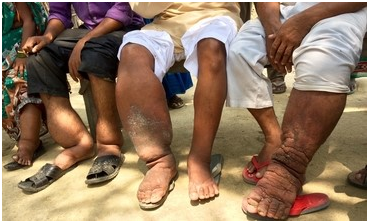
Lymphatic Filariasis, commonly known as elephantiasis, is a parasitic infection transmitted through the bite of infected mosquitoes. The parasites affect the lymphatic system, which normally helps drain fluid from body tissues and supports the immune system.
Many people with lymphatic filariasis have no obvious symptoms for years. However, the infection can gradually damage the lymphatic system and later cause lymphedema, severe swelling of the limbs, thickening of the skin, and hydrocele or swelling of the scrotum.
What is Lymphatic Filariasis?
Lymphatic filariasis is caused by microscopic, thread-like parasitic worms. The three main species are Wuchereria bancrofti, Brugia malayi, and Brugia timori. Wuchereria bancrofti accounts for about 90% of cases.
The infection is transmitted through mosquitoes. After entering the body, the larvae travel to the lymphatic vessels, where they develop into adult worms. These worms can interfere with normal lymphatic drainage and gradually damage the lymphatic system.
The infection is often acquired during childhood, while visible swelling or other chronic problems may not appear until years later.
What are the Symptoms of Lymphatic Filariasis?
A large number of infected people do not have noticeable symptoms. However, lymphatic damage can occur even when the infection is not producing visible signs.
Possible symptoms include:
- Swelling of one or both legs
- Swelling of the arms
- Swelling of the breasts
- Swelling of the genital area
- Scrotal swelling or hydrocele
- Thickening or hardening of the skin
- Pain or heaviness in an affected limb
- Repeated episodes of swelling
- Fever and chills during acute attacks
- Redness and tenderness of the affected area
- Recurrent bacterial skin infections
Acute Attacks
Some people with lymphatic filariasis experience repeated episodes of inflammation called acute attacks.
These may cause:
- Sudden pain
- Local swelling
- Fever
- Chills
- Redness
- Tenderness
Repeated bacterial infections of the affected skin and tissues can contribute to worsening lymphedema.
What are the Causes of Lymphatic Filariasis?
Lymphatic filariasis is caused by parasitic worms that are transmitted by infected mosquitoes.
The major parasites responsible are:
- Wuchereria bancrofti
- Brugia malayi
- Brugia timori
These parasites live in the lymphatic system after entering the body. Adult worms can produce microscopic larvae called microfilariae, which circulate in the blood and can be picked up by mosquitoes during a blood meal.
How Does Lymphatic Filariasis Spread?
Lymphatic filariasis spreads through the bite of an infected mosquito.
The cycle occurs when:
- A mosquito bites a person carrying microfilariae.
- The parasites enter the mosquito.
- The parasites develop inside the mosquito.
- The infected mosquito bites another person.
- Infective larvae enter the person’s body.
- The larvae eventually develop into adult worms in the lymphatic system.
Different mosquito species can transmit lymphatic filariasis, including Culex, Anopheles, and Aedes, depending on the region.
Lymphatic Filariasis and Elephantiasis
The term elephantiasis is commonly used for the advanced swelling and skin changes that can develop from chronic lymphatic damage.
The legs are frequently affected, but swelling can also involve:
- Arms
- Breasts
- Genital area
- Scrotum
- Penis
Long-term lymphedema can cause the skin and underlying tissues to become thick and hard. In severe cases, it can interfere with walking, work, and everyday activities.
Lymphatic Filariasis and Hydrocele
Hydrocele is another important manifestation of lymphatic filariasis.
It causes fluid to collect around the testicle, resulting in swelling of the scrotum. Hydrocele can remain even when there is no longer active parasitic infection.
In significant or persistent cases, surgery may be required.
Who is at Risk?
The risk of lymphatic filariasis is higher among people who:
- Live in tropical or subtropical regions where the infection occurs
- Experience repeated mosquito bites
- Live in areas with ongoing transmission
- Spend considerable time outdoors at night
- Have prolonged exposure to mosquitoes over months or years
In endemic communities, infection can begin during childhood and remain unnoticed for many years.
Diagnosis of Lymphatic Filariasis
Diagnosis is important because leg swelling or genital swelling can have many causes and does not automatically mean filariasis.
Blood Test
A blood sample can be examined for microfilariae under a microscope.
The timing of blood collection can be important because many lymphatic filarial parasites show a nocturnal pattern, meaning microfilariae may be easier to detect in blood collected at night.
Antibody Testing
Serological tests can also help identify evidence of filarial infection. Antifilarial antibody testing may be useful when microfilariae are not detected.
Antigen Testing
Tests for circulating filarial antigen may be used, particularly for Wuchereria bancrofti infection. WHO recommends appropriate rapid diagnostic testing for surveillance and transmission assessment.
Ultrasound
Ultrasound may sometimes help identify adult worms in lymphatic vessels or nearby tissues.
Treatment of Lymphatic Filariasis
Treatment depends on whether there is active parasitic infection, chronic lymphatic damage, hydrocele, or another complication.
For confirmed active lymphatic filariasis, diethylcarbamazine (DEC) is an important antifilarial medicine. Treatment regimens can vary according to the patient’s situation and local epidemiology.
Antiparasitic treatment is primarily aimed at eliminating the parasites and reducing transmission. It does not necessarily reverse long-standing lymphatic damage.
This distinction is important: chronic lymphedema or elephantiasis may continue even after the active infection has been treated.
Management of Lymphedema
Long-term management can help reduce complications and prevent worsening.
It may include:
- Keeping the affected skin clean
- Washing and drying skin carefully
- Treating cuts and wounds promptly
- Regular appropriate exercise
- Elevating the affected limb
- Preventing and treating bacterial infections
- Appropriate footwear
- Professional lymphedema care when required
WHO recommends morbidity management and disability prevention measures for people living with chronic lymphatic disease.
Treatment of Hydrocele
Filarial hydrocele may not improve simply with antiparasitic treatment.
When hydrocele is significant or persistent, hydrocelectomy or another surgical procedure may be recommended.
Homeopathic Treatment for Lymphatic Filariasis
Some patients seek homeopathic treatment for lymphatic filariasis for concerns such as swelling, heaviness, discomfort, recurrent inflammation, and chronic lymphatic complaints.
Homeopathic consultation may be considered as complementary care based on the person’s symptoms and overall condition. However, confirmed lymphatic filariasis requires proper medical diagnosis and appropriate antifilarial treatment when active infection is present.
Homeopathy should not replace antiparasitic treatment, lymphedema management, treatment of bacterial infections, or surgery when medically required.
Homeopathic Remedies for Lymphatic Filariasis
Depending on the individual symptom pattern, homeopathic practitioners may traditionally consider remedies such as:
- Apis Mellifica – traditionally considered for puffy or painful swelling.
- Arsenicum Album – traditionally associated with weakness, restlessness, and certain chronic complaints.
- Phytolacca – traditionally considered for some glandular and lymphatic complaints.
- Sulphur – traditionally used in certain chronic skin and swelling-related complaints.
- Lycopodium – traditionally considered for some chronic swelling and constitutional complaints.
The appropriate remedy should be selected by a qualified homeopathic practitioner after reviewing the person’s symptoms and medical history.
Lifestyle and Daily Care
Good daily care is particularly important when chronic lymphedema is present.
Keep the Skin Clean
Wash the affected area gently and dry it carefully, particularly between the toes and around skin folds.
Protect Against Injuries
Small cuts, cracks, insect bites, and fungal infections can allow bacteria to enter damaged tissues. Treat skin problems promptly.
Stay Active
Suitable physical activity and movement can support lymphatic drainage. The type and amount of exercise should be appropriate for the person’s condition.
Elevate the Limb
When appropriate, keeping a swollen limb elevated can help manage fluid accumulation.
Take Care of the Feet
Good foot hygiene and suitable footwear are important, particularly when the legs are affected.
Prevention of Lymphatic Filariasis
The best personal protection is to avoid mosquito bites.
Helpful measures include:
- Use mosquito nets while sleeping.
- Apply an appropriate mosquito repellent.
- Wear long sleeves and trousers when practical.
- Use screens on doors and windows.
- Reduce mosquito exposure around the home.
- Avoid areas with high mosquito activity when possible.
- Follow public-health recommendations in endemic areas.
At the community level, mass drug administration (MDA) is an important WHO strategy for reducing transmission. It involves providing preventive medicines to populations at risk in endemic areas.
When Should You See a Doctor?
Consult a healthcare professional if you develop:
- Persistent swelling of a leg or arm
- Repeated episodes of painful swelling
- Fever and chills with limb swelling
- Thickening or hardening of the skin
- Swelling of the scrotum
- Unexplained genital swelling
- Recurrent skin infections
- A limb that gradually becomes larger or heavier
- Swelling that does not improve
Sudden severe swelling, high fever, severe pain, or rapidly spreading redness should receive prompt medical attention.
Frequently Asked Questions (FAQs)
Is lymphatic filariasis caused by mosquitoes?
Yes. Lymphatic filariasis is caused by parasitic worms that are transmitted through the bites of infected mosquitoes.
Is lymphatic filariasis the same as elephantiasis?
Elephantiasis is a severe chronic manifestation of lymphatic filariasis involving major swelling and thickening of tissues. The terms are often used together, although not every case of elephantiasis-like swelling is caused by filariasis.
Can lymphatic filariasis cause leg swelling?
Yes. Chronic lymphatic damage can cause lymphedema and, in advanced cases, elephantiasis, particularly involving the legs.
Can lymphatic filariasis cause hydrocele?
Yes. Filarial infection can cause hydrocele and swelling of the scrotum.
Can a person have lymphatic filariasis without symptoms?
Yes. Most infected people have no obvious symptoms, even though lymphatic damage can occur.
How is lymphatic filariasis diagnosed?
Blood examination for microfilariae, antibody or antigen testing, and sometimes ultrasound may be used depending on the suspected infection.
Can lymphatic filariasis be cured?
Active infection can be treated with appropriate antifilarial medicines. However, established lymphatic damage such as lymphedema or elephantiasis may require ongoing management, while hydrocele may require surgery.
Can homeopathy treat lymphatic filariasis?
Homeopathic care may be sought as complementary support for symptoms, but it should not replace confirmed diagnosis, antifilarial treatment, or management of chronic lymphatic complications.
Why choose Dr. Sanjay’s Homoeopathy for Lymphatic Filariasis Treatment in Lucknow, India?
Dr. Sanjay’s Homoeopathy is a trusted clinic for Lymphatic Filariasis Treatment in Lucknow, India. With more than 22 years of experience, Dr. Sanjay Singh, MD (Homoeopathy) provides personalized consultation for people experiencing leg swelling, heaviness, discomfort, recurrent inflammation, skin changes, and other concerns related to lymphatic health. Each consultation focuses on understanding the person’s symptoms, duration and pattern of swelling, lifestyle, previous health concerns, and overall condition. As an experienced homeopathic doctor in Lucknow, Dr. Sanjay Singh provides confidential and patient-focused care in a comfortable environment. For suspected or confirmed lymphatic filariasis, appropriate medical diagnosis and antifilarial treatment are also important, particularly when active infection, severe swelling, recurrent skin infection, or hydrocele is present. Patients from across India and around the world choose Dr. Sanjay’s Homoeopathy for its holistic healing, long-lasting relief, and compassionate care for Lymphatic Filariasis Treatment in Lucknow, India.