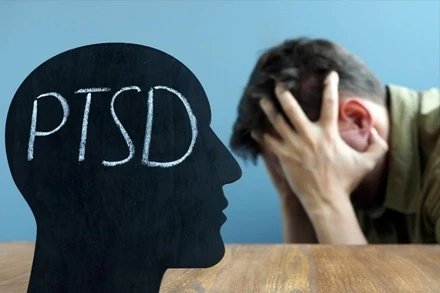
Post-Traumatic Stress Disorder (PTSD) is a mental health condition that can develop after experiencing or witnessing a traumatic or extremely distressing event. It can affect thoughts, emotions, sleep, behavior, relationships, and everyday functioning.
People with PTSD may experience unwanted memories, nightmares, emotional distress when reminded of the event, avoidance of reminders, negative changes in mood, heightened alertness, irritability, and difficulty sleeping. Early recognition and appropriate support can help a person manage symptoms and improve overall well-being.
What is PTSD (Post-Traumatic Stress Disorder)?
PTSD is a condition that may develop after exposure to a traumatic event. Trauma can include serious accidents, physical or sexual violence, natural disasters, war-related experiences, serious injuries, or other frightening events.
After trauma, it is common to experience temporary emotional distress. PTSD occurs when trauma-related symptoms persist and significantly interfere with daily life, relationships, work, or other important activities.
What are the Symptoms of PTSD (Post-Traumatic Stress Disorder)?
PTSD symptoms can vary from person to person and may include:
- Recurrent unwanted memories of the traumatic event
- Distressing dreams or nightmares
- Flashbacks
- Intense emotional distress when reminded of the trauma
- Avoidance of people, places, conversations, or situations associated with the event
- Feeling constantly alert or on guard
- Easily becoming startled
- Irritability or anger
- Difficulty concentrating
- Sleep problems
- Feelings of fear or anxiety
- Persistent negative thoughts
- Feelings of guilt or shame
- Emotional numbness
- Loss of interest in previously enjoyable activities
- Social withdrawal
Symptoms may appear soon after a traumatic experience or develop months or even years later.
What Causes PTSD (Post-Traumatic Stress Disorder)?
PTSD develops after exposure to trauma, but not everyone who experiences trauma develops PTSD.
Possible traumatic experiences include:
- Serious road or workplace accidents
- Physical or sexual assault
- Domestic violence
- Natural disasters
- War or combat experiences
- Serious injury or life-threatening illness
- Witnessing a traumatic event
- Sudden or violent loss of a loved one
- Childhood trauma
- Repeated exposure to distressing events
Factors such as previous trauma, ongoing stress, limited social support, and individual psychological and biological factors may influence the risk of developing PTSD.
Who is at Higher Risk of PTSD (Post-Traumatic Stress Disorder)?
The likelihood of developing PTSD may be higher in people who:
- Have experienced previous trauma
- Have experienced repeated or prolonged traumatic events
- Have a history of childhood trauma
- Have limited emotional or social support
- Experience ongoing stress following the traumatic event
- Have a personal history of anxiety, depression, or other mental health concerns
- Have experienced serious injury or life-threatening situations
However, PTSD can develop in anyone following a traumatic experience.
Types of PTSD
PTSD can present in different ways depending on the symptoms and the course of the condition.
Acute PTSD Symptoms
Symptoms may develop soon after a traumatic event and can significantly affect emotional well-being and daily functioning.
Chronic PTSD
Symptoms may continue for a prolonged period and may affect relationships, sleep, work, and everyday activities.
Delayed-Onset PTSD
In some cases, significant PTSD symptoms may become noticeable months or years after the traumatic event.
Complex Trauma-Related Symptoms
Repeated or prolonged trauma may be associated with a broader range of emotional, behavioral, and interpersonal difficulties requiring comprehensive professional support.
How is PTSD (Post-Traumatic Stress Disorder) Diagnosed?
PTSD is diagnosed through a detailed psychological and clinical assessment. A healthcare professional may discuss:
- The traumatic experience
- Current symptoms
- When symptoms started
- Frequency and severity of symptoms
- Sleep patterns
- Emotional and behavioral changes
- Effects on work, relationships, and daily activities
- Previous mental health history
- Current medicines or other treatments
A mental health professional may use structured diagnostic criteria or questionnaires to support the assessment.
Treatment for PTSD (Post-Traumatic Stress Disorder)
Treatment depends on the person’s symptoms, severity, history, overall health, and individual needs.
Medical and Psychological Treatment
Professional treatment for PTSD may include:
- Trauma-focused psychotherapy
- Cognitive behavioral therapy
- Eye Movement Desensitization and Reprocessing (EMDR)
- Other evidence-based psychological therapies
- Medicines for selected symptoms or associated mental health conditions
- Stress-management and coping strategies
- Support from family and trusted individuals
A qualified mental health professional can help determine the most appropriate treatment approach.
Lifestyle and Self-Care Measures
Healthy daily habits can support emotional recovery and overall well-being:
- Maintain a regular sleep routine
- Practice relaxation and breathing exercises
- Stay physically active
- Spend time with supportive family and friends
- Avoid excessive alcohol or recreational substances
- Maintain regular meals
- Reduce exposure to unnecessary stress
- Practice mindfulness or meditation
- Maintain a structured daily routine
- Seek professional help when symptoms persist or interfere with daily life
Homeopathic Treatment for PTSD (Post-Traumatic Stress Disorder)
Homeopathy offers an individualized approach to managing PTSD-related emotional and physical symptoms, taking into consideration the person’s experiences, emotional responses, fears, sleep pattern, nightmares, anxiety, irritability, stress response, general health, and individual constitution.
At Dr. Sanjay’s Homoeopathy, treatment is personalized according to the patient’s complete symptom picture and overall health. The approach focuses on holistic care and individualized homeopathic support for emotional well-being.
For PTSD, professional mental health assessment and appropriate psychological care are important, particularly when symptoms are severe or significantly affect daily functioning.
Homeopathic Remedies for PTSD (Post-Traumatic Stress Disorder)
Homeopathic medicines are selected individually according to the patient’s symptoms and overall constitution. Some remedies traditionally considered in homeopathic practice include:
Aconitum Napellus
Traditionally considered when intense fear, anxiety, restlessness, or shock-related symptoms follow a frightening or traumatic experience.
Arnica Montana
Often considered in homeopathic practice following physical or emotional shock, particularly when the person feels deeply affected by the traumatic experience.
Ignatia Amara
Traditionally considered for emotional distress following grief, shock, disappointment, or traumatic experiences, especially when emotions fluctuate significantly.
Staphysagria
May be considered when emotional symptoms are associated with experiences of humiliation, suppressed anger, violation of personal boundaries, or trauma.
Natrum Muriaticum
Traditionally considered when a person tends to hold emotional pain internally and experiences persistent sadness, withdrawal, or sensitivity following distressing experiences.
Hypericum Perforatum
Traditionally used in homeopathic practice for nerve-related discomfort and symptoms following physical injury or trauma.
Opium
May be considered traditionally for certain shock-related states characterized by emotional numbness, detachment, or reduced responsiveness.
Phosphorus
Traditionally considered when anxiety, sensitivity, fearfulness, sleep disturbances, and emotional vulnerability are prominent.
The appropriate homeopathic remedy and treatment plan depend on the individual’s complete symptom picture and should be selected by a qualified homeopathic practitioner.
Complications of Untreated PTSD (Post-Traumatic Stress Disorder)
Persistent PTSD symptoms can significantly affect quality of life and may contribute to:
- Chronic anxiety
- Depression
- Sleep disturbances
- Social withdrawal
- Relationship difficulties
- Problems with concentration
- Reduced work or academic performance
- Substance misuse
- Persistent fear or emotional distress
- Reduced overall quality of life
Professional support can help a person develop effective strategies for coping with trauma-related symptoms.
How Can You Manage PTSD (Post-Traumatic Stress Disorder)?
You can support your emotional well-being by:
- Seeking professional help when symptoms persist
- Maintaining a regular sleep schedule
- Staying connected with trusted people
- Practicing relaxation and breathing exercises
- Maintaining physical activity
- Avoiding excessive alcohol and recreational substances
- Identifying situations that increase distress
- Maintaining a structured daily routine
- Practicing mindfulness or other calming techniques
- Following the recommended treatment plan
- Attending regular mental health consultations when required
If you or someone you know is experiencing thoughts of self-harm or suicide, seek urgent professional help or emergency medical care immediately.
Frequently Asked Questions (FAQs)
What is PTSD?
PTSD, or Post-Traumatic Stress Disorder, is a mental health condition that can develop after experiencing or witnessing a traumatic event.
What are the common symptoms of PTSD?
Common symptoms include flashbacks, unwanted memories, nightmares, avoidance, anxiety, irritability, emotional numbness, increased alertness, difficulty concentrating, and sleep problems.
Can PTSD develop months or years after trauma?
Yes. Although symptoms often appear relatively soon after trauma, some people may develop noticeable PTSD symptoms months or even years later.
What types of events can cause PTSD?
Serious accidents, violence, assault, natural disasters, war-related experiences, serious injuries, childhood trauma, and witnessing traumatic events can contribute to PTSD.
Can PTSD affect sleep?
Yes. PTSD can cause difficulty falling asleep, frequent waking, nightmares, and disturbed sleep.
Can homeopathy help with PTSD symptoms?
Homeopathy offers an individualized approach to managing emotional and physical symptoms associated with PTSD. Treatment is selected according to the individual’s complete symptom picture, emotional responses, sleep pattern, fears, and overall constitution.
Which homeopathic remedies are commonly considered for PTSD?
Remedies such as Aconitum Napellus, Arnica Montana, Ignatia Amara, Staphysagria, Natrum Muriaticum, Hypericum Perforatum, Opium, and Phosphorus may be considered according to individual symptoms.
Is PTSD treatable?
Yes. PTSD can be treated, and many people experience significant improvement with appropriate psychological treatment, support, and individualized care.
Can PTSD go away without treatment?
Some trauma-related symptoms may improve naturally, but persistent or severe symptoms should not be ignored. Professional support can help manage symptoms and prevent them from significantly affecting daily life.
When should I seek professional help for PTSD?
Professional help is recommended when trauma-related symptoms persist, interfere with sleep or daily activities, affect relationships, or cause significant emotional distress.
Where can I consult for homeopathic treatment for PTSD in Lucknow?
You can consult Dr. Sanjay’s Homoeopathy in Lucknow, India, for an individualized assessment and homeopathic treatment plan for PTSD-related symptoms alongside appropriate mental health care.
Why Choose Dr. Sanjay’s Homoeopathy for PTSD (Post-Traumatic Stress Disorder) Treatment in Lucknow, India?
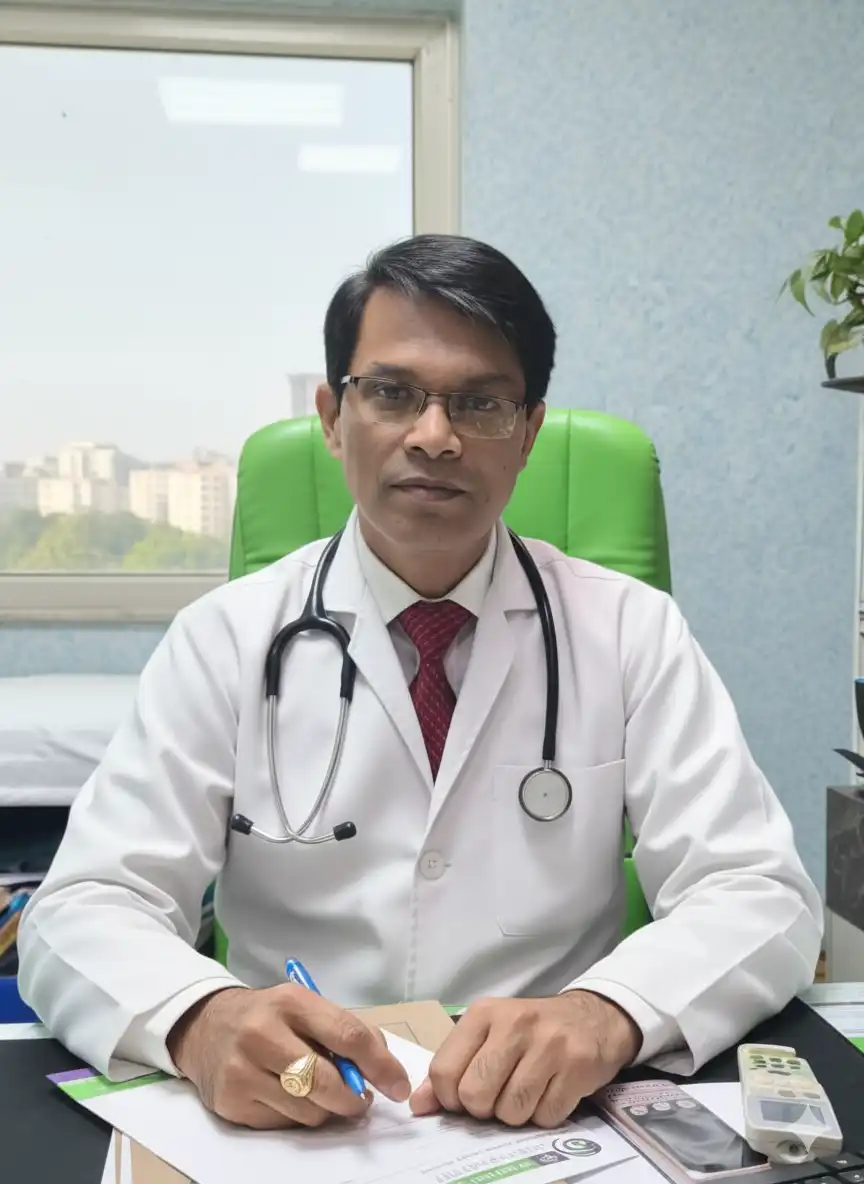
Dr. Sanjay’s Homoeopathy is a trusted clinic for PTSD (Post-Traumatic Stress Disorder) treatment in Lucknow, India. With more than 22 years of experience, Dr. Sanjay Singh, MD (Homoeopathy), provides personalized homeopathic treatment focused on managing stress-related and emotional symptoms such as anxiety, fear, sleep difficulties, nightmares, emotional distress, irritability, and trauma-related concerns. As a leading homeopathic doctor in Lucknow, he follows an individualized approach based on the patient’s symptoms, emotional responses, health history, lifestyle, and overall constitution, with a focus on holistic care and long-term emotional well-being. Patients from across India and around the world choose Dr. Sanjay’s Homoeopathy for its personalized treatment, holistic approach, experienced consultation, and compassionate patient care for PTSD and other chronic emotional and mental health concerns.