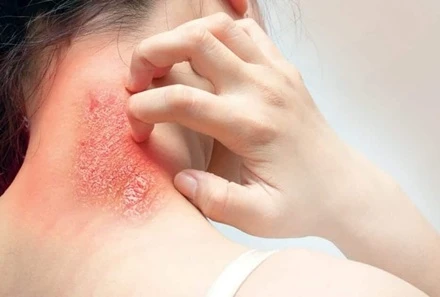
Fungal infections are common conditions that can affect the skin, nails, scalp, mouth, and other parts of the body. They occur when certain types of fungi multiply excessively in or on the body. Depending on the affected area, fungal infections may cause itching, redness, scaling, burning, cracking, rashes, or changes in the nails.
Fungal infections can sometimes be recurrent, particularly in warm and humid conditions. Early identification of the type and location of infection can help in selecting an appropriate treatment approach and reducing the chances of recurrence.
What is a Fungal Infection?
A fungal infection is an infection caused by fungi that grow on or within the body. Some fungi normally live on the skin without causing problems, but under favorable conditions they can multiply and cause infection.
Fungal infections may affect different parts of the body, including:
- Skin
- Feet
- Groin
- Body folds
- Scalp
- Nails
- Mouth
- Genital area
The appearance of a fungal infection can vary depending on the type of fungus and the body area involved.
What are the Symptoms of Fungal Infection?
Symptoms depend on the location and type of fungal infection. Common symptoms may include:
- Persistent itching
- Red or irritated skin
- Circular or ring-shaped rashes
- Dry, scaly, or peeling skin
- Burning sensation
- Cracked skin
- Small bumps or blisters
- Moist or irritated skin folds
- White patches in the mouth
- Thickened or discolored nails
- Brittle or crumbling nails
- Hair loss in patches when the scalp is affected
Symptoms may gradually spread to nearby areas if the infection is not appropriately managed.
What Causes Fungal Infection?
Fungal infections develop when fungi multiply excessively under suitable conditions. Factors that may contribute include:
- Warm and humid weather
- Excessive sweating
- Moisture remaining on the skin
- Tight or non-breathable clothing
- Poor ventilation of footwear
- Sharing towels, clothing, or personal items
- Contact with an infected person or animal
- Minor skin injuries
- Prolonged use of certain medicines
- Reduced immune defenses
- Diabetes and certain other health conditions
Maintaining good skin hygiene and keeping vulnerable areas clean and dry can help reduce the risk.
Who is at Higher Risk of Fungal Infection?
Fungal infections may be more common in people who:
- Sweat excessively
- Live or work in hot and humid environments
- Wear tight or non-breathable clothing
- Frequently use communal showers, gyms, or swimming pools
- Have diabetes
- Have reduced immunity
- Have recurrent skin irritation
- Frequently wear closed footwear for long periods
- Have close contact with infected people or animals
Types of Fungal Infections
Ringworm (Tinea Corporis)
Affects the skin of the body and may produce circular, red, itchy, scaly patches.
Athlete’s Foot (Tinea Pedis)
Usually affects the feet and may cause itching, peeling, cracking, or burning, particularly between the toes.
Jock Itch (Tinea Cruris)
Affects the groin and inner thighs and commonly causes itching, redness, and a spreading rash.
Fungal Nail Infection
Can cause nails to become thick, discolored, brittle, or distorted.
Scalp Ringworm (Tinea Capitis)
Affects the scalp and may cause scaling, itching, broken hairs, or patches of hair loss.
Candidiasis
Candida fungi can cause infections in areas such as the mouth, skin folds, and genital region.
How is Fungal Infection Diagnosed?
Diagnosis usually begins with a detailed examination of the affected area and assessment of the symptoms.
Depending on the presentation, a healthcare professional may recommend:
- Physical examination
- Examination of skin changes and rashes
- Skin scraping or laboratory examination
- Nail sample testing for suspected fungal nail infection
- Other tests when the diagnosis is uncertain
Proper diagnosis is important because several skin conditions can resemble fungal infections.
Treatment for Fungal Infection
Treatment depends on the type, location, severity, and recurrence of the infection.
Medical Treatment
Depending on the condition, conventional treatment may include:
- Topical antifungal medicines
- Oral antifungal medicines when required
- Medicated shampoos for certain scalp infections
- Appropriate treatment for fungal nail infections
- Treatment of underlying conditions that contribute to recurrent infection
Treatment should be completed according to the healthcare professional’s recommendation to reduce the possibility of recurrence.
Lifestyle and Hygiene Measures
Good hygiene and moisture control are important for managing fungal infections:
- Keep affected areas clean and dry
- Change sweaty clothes promptly
- Wear loose, breathable clothing
- Keep feet dry, especially between the toes
- Avoid sharing towels, clothes, socks, or personal items
- Wash clothes, towels, and bedding regularly
- Keep footwear clean and dry
- Avoid scratching affected areas
- Avoid using unnecessary steroid-containing creams without medical advice
- Maintain good blood sugar control if you have diabetes
Homeopathic Treatment for Fungal Infection
Homeopathy offers an individualized approach to managing fungal infection-related symptoms. Treatment is selected according to the location and appearance of the infection, itching, burning, sweating pattern, skin characteristics, triggers, recurrence pattern, general health, lifestyle, and individual constitution.
At Dr. Sanjay’s Homoeopathy, treatment is personalized according to the patient’s complete symptom picture. The approach focuses on holistic care and supporting long-term skin health while addressing individual symptoms.
For persistent, spreading, recurrent, or severe fungal infections, appropriate medical evaluation is recommended to identify the exact cause and guide treatment.
Homeopathic Remedies for Fungal Infection
Homeopathic medicines are selected individually according to the patient’s symptoms and overall constitution. Some commonly considered remedies include:
Sulphur
Traditionally considered for intense itching, burning, irritated skin, and recurrent skin complaints, particularly when symptoms become worse with warmth.
Graphites
Often considered for fungal or skin complaints associated with cracking, oozing, thickened skin, and irritation, particularly in skin folds.
Sepia
Traditionally considered for recurrent fungal-type skin complaints, especially when symptoms occur in warm, moist areas and are associated with hormonal or constitutional factors.
Tellurium
May be considered traditionally for ring-shaped, itchy, and foul-smelling skin eruptions, particularly when the infection affects folds or the feet.
Thuja Occidentalis
Traditionally used for various recurrent skin eruptions and complaints associated with excessive moisture or sweating.
Silicea
May be considered in chronic or recurrent skin and nail complaints, particularly when there is a tendency toward excessive sweating.
Arsenicum Album
Traditionally considered when fungal-type skin symptoms are accompanied by marked burning, itching, and restlessness.
The appropriate remedy, potency, and treatment plan depend on the individual’s complete symptom picture and should be selected by a qualified homeopathic practitioner.
Complications of Untreated Fungal Infection
If a fungal infection is not appropriately managed, it may:
- Spread to other areas of the body
- Become persistent or recurrent
- Cause significant itching and skin irritation
- Lead to cracks or breaks in the skin
- Increase the risk of secondary bacterial infection
- Affect the nails or scalp
- Cause temporary hair loss when the scalp is involved
- Spread to other household members through close contact or shared personal items
People with diabetes or weakened immunity may require particularly prompt medical evaluation.
How Can You Prevent and Manage Fungal Infection?
You can reduce the risk of fungal infections by:
- Keeping your skin clean and dry
- Drying thoroughly after bathing
- Changing sweaty clothes regularly
- Wearing breathable fabrics
- Keeping feet dry
- Avoiding sharing personal items
- Washing towels, clothes, and bedding regularly
- Keeping footwear clean and dry
- Avoiding unnecessary scratching
- Avoiding self-medication with steroid creams
- Managing underlying health conditions
- Seeking medical evaluation for persistent or recurrent infections
Frequently Asked Questions (FAQs)
What is a fungal infection?
A fungal infection occurs when certain fungi multiply excessively on or within the body, commonly affecting the skin, nails, scalp, mouth, or other moist areas.
What are the common symptoms of fungal infection?
Common symptoms include itching, redness, scaling, burning, peeling, cracking, circular rashes, and changes in the color or texture of the nails.
What causes fungal infections?
Warmth, humidity, excessive sweating, moisture, close contact with infected individuals, sharing personal items, and certain underlying health conditions can increase the risk.
Can fungal infections keep coming back?
Yes. Recurrent infections can occur when favorable conditions persist or when the underlying contributing factors are not addressed.
Can homeopathy help with fungal infection?
Homeopathy offers an individualized approach based on the person’s specific symptoms, skin characteristics, recurrence pattern, general health, and constitution.
Which homeopathic remedies are commonly considered for fungal infection?
Remedies such as Sulphur, Graphites, Sepia, Tellurium, Thuja Occidentalis, Silicea, and Arsenicum Album may be considered depending on the individual symptom picture.
Can fungal infection affect the nails?
Yes. Fungal nail infections can cause nails to become thickened, discolored, brittle, or distorted.
Can fungal infection spread from one person to another?
Some fungal infections are contagious and can spread through direct skin contact or sharing contaminated towels, clothing, footwear, or other personal items.
Is it safe to use steroid cream for a fungal infection?
Steroid-containing creams should not be used for a suspected fungal infection without professional advice, as they can sometimes alter the appearance of the infection and allow it to worsen.
When should I consult a doctor for a fungal infection?
Professional evaluation is advisable when the infection is spreading, recurrent, affecting the scalp or nails, not improving with appropriate care, or occurring alongside other significant health conditions.
Where can I consult for homeopathic treatment for fungal infection in Lucknow?
You can consult Dr. Sanjay’s Homoeopathy in Lucknow, India, for an individualized assessment and homeopathic treatment plan for fungal infection-related skin complaints.
Why Choose Dr. Sanjay’s Homoeopathy for Fungal Infection Treatment in Lucknow, India?
Dr. Sanjay’s Homoeopathy is a trusted clinic for Fungal Infection treatment in Lucknow, India. With more than 22 years of experience, Dr. Sanjay Singh, MD (Homoeopathy), provides personalized homeopathic treatment focused on managing itching, redness, scaling, burning, rashes, recurrent skin infections, fungal nail complaints, and other related symptoms. As a leading homeopathic doctor in Lucknow, he follows an individualized approach based on the patient’s symptoms, skin condition, lifestyle, health history, and overall constitution, with a focus on holistic care and long-term skin wellness. Patients from across India and around the world choose Dr. Sanjay’s Homoeopathy for its personalized treatment, holistic approach, experienced consultation, and compassionate patient care for fungal infections and other chronic skin conditions.