Recurrent Tonsillitis in Children: Causes, Symptoms and Homeopathic Support
 Dr. Sanjay Singh
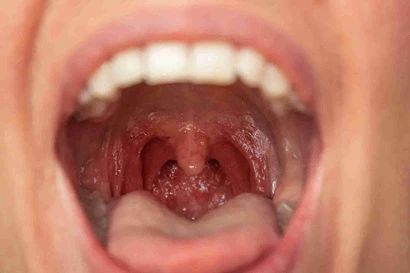
If your child seems to get a sore throat again and again, you may start wondering, “Why does my child keep getting tonsillitis?”
One episode of tonsillitis is common during childhood. But when throat infections keep returning, they can become frustrating for both the child and the parents. Repeated fever, painful swallowing, missed school, disturbed sleep and frequent visits to the doctor can begin to affect everyday life.
This condition is known as recurrent tonsillitis.
Recurrent tonsillitis does not always mean that a child’s tonsils are permanently unhealthy. Different infections, exposure to viruses or bacteria, close contact with other children and individual susceptibility can all play a role. In some children, however, frequent episodes may warrant an assessment by a pediatrician or ENT specialist.
Parents who are interested in complementary approaches such as homeopathy may also want to know whether homeopathic treatment can provide support. The safest approach is to understand the condition first, identify the cause and then discuss appropriate treatment options with a qualified healthcare professional.
What Is Tonsillitis?
The tonsils are two small areas of tissue located at the back of the throat. They form part of the body’s immune system and help recognize germs entering through the mouth and nose.
Tonsillitis occurs when the tonsils become inflamed, usually because of an infection.
Tonsillitis can be caused by viruses or bacteria. Viral infections are common, while a bacterial infection such as group A streptococcal infection can also cause tonsillitis.
A child may develop tonsillitis at any age, although it is particularly common among school-age children.
What Does “Recurrent Tonsillitis” Mean?
Recurrent tonsillitis means that episodes of tonsillitis occur repeatedly over time.
There is no single definition that applies perfectly to every child. Doctors generally look at factors such as:
- How many episodes the child has had
- How severe each episode was
- Whether the episodes were properly diagnosed
- Whether there was a confirmed bacterial infection
- How much school or normal activity was missed
- Whether complications occurred
- Whether symptoms continue despite appropriate treatment
Keeping a record of your child’s episodes can be surprisingly helpful. Note the date, fever, throat symptoms, test results, medicines prescribed and how long recovery took.
This gives the doctor a much clearer picture than trying to remember every illness months later.
Why Does My Child Keep Getting Tonsillitis?
There can be several reasons.
1. Frequent exposure to infections
Children spend a lot of time around other children at school, daycare, playgrounds and activities. Coughing, sneezing and close contact can make it easier for respiratory infections to spread.
2. Viral infections
Many episodes of sore throat and tonsillitis are associated with viral infections. Children can encounter different viruses throughout the year, particularly during periods when respiratory infections are common.
3. Bacterial throat infections
Some episodes are caused by bacteria, including group A streptococcus. These infections may require specific testing and treatment.
It is important not to assume that every sore throat is bacterial. Antibiotics do not treat viral infections.
4. Close contact with infected people
A child may repeatedly come into contact with someone carrying a respiratory infection. This can increase opportunities for infection.
5. Individual susceptibility
Some children simply seem to experience respiratory and throat infections more frequently than others. Age, exposure, general health and environmental factors can all influence how often a child becomes ill.
6. Enlarged tonsils
Tonsils can become enlarged after repeated inflammation. Enlarged tonsils do not necessarily mean that a child has recurrent tonsillitis, but they can contribute to problems such as snoring, mouth breathing or disturbed sleep.
Symptoms of Tonsillitis in Children
The symptoms can vary from one child to another.
Common symptoms include:
- Sore throat
- Red or swollen tonsils
- Pain while swallowing
- Fever
- Swollen glands in the neck
- Bad breath
- Headache
- Tiredness or weakness
- Reduced appetite
- Voice changes
- White spots or patches on the tonsils in some cases
Younger children may not say, “My throat hurts.” Instead, parents may notice that the child refuses food, cries while swallowing, becomes unusually irritable or prefers liquids.
Tonsillitis Symptoms Parents Should Not Ignore
Most episodes of tonsillitis settle without serious complications, but certain symptoms need prompt medical assessment.
Seek urgent medical attention if your child has:
- Difficulty breathing
- Inability to swallow saliva
- Excessive drooling
- Severe difficulty swallowing
- Significant swelling in the neck
- A muffled or unusual voice
- Severe weakness or unusual drowsiness
- Signs of dehydration
- Rapidly worsening symptoms
These symptoms can sometimes indicate a more serious infection or complication and should not be managed at home alone.
Is Every Sore Throat Tonsillitis?
No.
A sore throat can occur with a common cold, influenza, allergies, irritation, acid reflux and several other conditions.
Even when the tonsils look red, the cause is not necessarily bacterial tonsillitis.
This is why diagnosis matters, particularly when a child has repeated episodes.
Depending on the child’s symptoms, a healthcare professional may examine the throat and neck and may recommend a throat swab or rapid test when a streptococcal infection is suspected.
Viral vs Bacterial Tonsillitis
One of the common questions parents ask is whether they can tell the difference between viral and bacterial tonsillitis just by looking at the throat.
Sometimes the symptoms can provide clues, but they do not always provide a reliable answer.
Cough, runny nose and hoarseness are often associated with viral respiratory infections. Fever, swollen lymph nodes and significant throat pain can occur with bacterial infections as well as viral illnesses.
When a bacterial infection is suspected, appropriate testing can help guide treatment.
Antibiotics should not be used simply because a child has a sore throat. They are useful for certain bacterial infections, not viral infections.
Why Does Tonsillitis Keep Coming Back?
For parents, recurrent tonsillitis can feel like a cycle:
Sore throat → fever → treatment → recovery → another infection.
It is understandable to wonder whether the previous infection was never completely cured.
Sometimes the child is simply developing another infection rather than experiencing a continuation of the previous one. In other cases, the pattern may require a more detailed evaluation.
A pediatrician or ENT specialist may look at the frequency and severity of episodes and consider whether there are additional factors such as enlarged tonsils, sleep-disordered breathing or complications.
Recurrent Tonsillitis and Sleep Problems
Tonsils can become enlarged in children who experience repeated throat inflammation, although enlarged tonsils can also occur without recurrent infection.
Large tonsils may contribute to:
- Loud snoring
- Mouth breathing
- Restless sleep
- Pauses in breathing during sleep
- Difficulty sleeping comfortably
- Daytime tiredness or irritability
If your child snores heavily every night or you notice pauses in breathing during sleep, discuss this with a pediatrician or ENT specialist.
Sleep problems deserve attention even when the child is not currently experiencing a throat infection.
Homeopathic Support for Recurrent Tonsillitis
Some parents explore homeopathy because they are looking for a complementary approach for a child who experiences repeated throat problems.
Homeopathy typically takes an individualized approach, with a practitioner asking about the child’s symptoms, pattern of illness, general health and other characteristics before recommending a remedy.
However, parents should understand an important distinction:
Homeopathy has not been established by good-quality scientific evidence as an effective treatment for recurrent tonsillitis or as a way to prevent bacterial throat infections.
Therefore, homeopathic treatment should not be presented as a replacement for appropriate diagnosis, antibiotics when a bacterial infection requires them, or ENT treatment when indicated.
If parents choose to explore homeopathy, it is sensible to discuss it openly with the child’s healthcare providers and avoid delaying necessary medical care.
What Can Parents Do at Home?
When a child has a sore throat or tonsillitis, simple supportive care can make them more comfortable.
Encourage fluids
Offer water and other suitable fluids regularly. If swallowing hurts, small frequent sips may be easier.
Choose comfortable foods
Soft foods may be easier to swallow than dry or crunchy foods. Let your child choose foods they can comfortably manage.
Encourage rest
Illness can leave children tired. Adequate rest can help them recover and return to normal activities gradually.
Follow medical advice
If a doctor has prescribed treatment, follow the recommended instructions carefully. Do not change or stop prescribed medicines without professional advice.
Avoid unnecessary antibiotics
Antibiotics should be used when there is a medical reason for them. Taking antibiotics unnecessarily can cause side effects and contributes to antibiotic resistance.
How Can Parents Reduce Repeated Throat Infections?
It is impossible to prevent every childhood infection, but everyday habits can reduce the spread of respiratory germs.
Teach children to:
- Wash their hands regularly
- Cover coughs and sneezes
- Avoid sharing bottles, cups and eating utensils
- Avoid close contact with someone who is clearly unwell
- Keep commonly touched surfaces reasonably clean
- Stay home when they are significantly unwell, according to local medical and school guidance
A healthy routine involving adequate sleep, balanced nutrition and regular physical activity also supports overall wellbeing.
These habits cannot guarantee that a child will never develop tonsillitis, but they can help reduce exposure to infections.
When Should a Child See an ENT Specialist?
An ENT assessment may be appropriate when throat infections are frequent, severe or significantly affecting a child’s quality of life.
It may also be worth discussing an ENT referral if your child has:
- Repeated documented episodes of tonsillitis
- Persistent enlarged tonsils
- Significant snoring
- Suspected sleep apnea
- Difficulty swallowing
- Repeated complications
- Frequent school absences because of throat infections
- Symptoms that are not improving as expected
An ENT specialist can assess whether the tonsils themselves are contributing to the child’s problems and discuss available options.
Does Every Child With Recurrent Tonsillitis Need Tonsil Surgery?
No.
Tonsillectomy, or surgical removal of the tonsils, is not automatically required simply because a child has had tonsillitis more than once.
Doctors consider the number and severity of episodes, their effect on the child’s life, complications and other symptoms before recommending surgery.
For some children with a well-documented pattern of severe recurrent tonsillitis or significant tonsil-related breathing problems, surgery may be considered. For others, careful observation and medical management may be more appropriate.
The decision should be individualized rather than based solely on the fact that the child gets sore throats.
A Parent-Friendly Approach to Recurrent Tonsillitis
When your child keeps getting tonsillitis, it can be tempting to search for one treatment that will make the problem disappear permanently.
Unfortunately, recurrent tonsillitis is not always that simple.
The first step is to understand why the episodes are happening and whether they are actually tonsillitis each time. A proper diagnosis can prevent unnecessary antibiotics, identify children who need further evaluation and help parents understand what to expect.
For families interested in homeopathy, it can be discussed as a complementary healthcare approach, but it should not replace evidence-based diagnosis and treatment.
Recurrent Tonsillitis Treatment at Dr Sanjay’s Homoeopathy
At Dr Sanjay’s Homoeopathy, parents can discuss their child’s recurring throat complaints, previous episodes and overall health history.
A detailed consultation can help parents understand the child’s symptoms and discuss whether a complementary homeopathic approach is appropriate.
The aim should always be responsible care: understanding the child’s condition, recognizing symptoms that require medical attention and ensuring that necessary conventional treatment is not delayed.
If your child experiences frequent tonsillitis, keeping a record of previous episodes can also make the consultation more useful.
Frequently Asked Questions About Recurrent Tonsillitis in Children
How many times can a child get tonsillitis?
There is no universal number at which tonsillitis suddenly becomes “recurrent.” Doctors consider the frequency, severity, documentation and impact of episodes on the child’s daily life.
Why does my child get tonsillitis so often?
Repeated exposure to respiratory infections, viral illnesses, bacterial throat infections and individual susceptibility can all contribute. Enlarged tonsils may also cause other throat and sleep-related symptoms.
Can recurrent tonsillitis be cured permanently?
The outcome depends on the underlying cause. Some children naturally experience fewer infections as they grow older, while others with persistent or severe problems may require further medical or ENT assessment.
Can homeopathy help recurrent tonsillitis in children?
Some families seek homeopathic support for recurrent health complaints. However, there is not sufficient high-quality scientific evidence to establish homeopathy as an effective treatment for recurrent tonsillitis. It should not replace appropriate medical assessment or treatment.
Does every episode of tonsillitis require antibiotics?
No. Many throat infections are viral, and antibiotics do not treat viruses. When bacterial infection is suspected, a healthcare professional may recommend appropriate testing and treatment.
When should I worry about my child’s tonsillitis?
Difficulty breathing, inability to swallow saliva, severe dehydration, significant swelling, unusual drowsiness, rapidly worsening symptoms or other signs that your child is seriously unwell require prompt medical attention.
Can enlarged tonsils cause snoring?
Yes. Enlarged tonsils can contribute to snoring and sleep-disordered breathing in some children. Persistent loud snoring or pauses in breathing during sleep should be discussed with a pediatrician or ENT specialist.
Final Thoughts
Recurrent tonsillitis can be exhausting for a child and worrying for parents, especially when one throat infection seems to follow another.
The good news is that recurrent tonsillitis can be assessed systematically. Keeping track of episodes, recognizing warning signs and seeking appropriate medical advice can help parents make better decisions about treatment.
Homeopathy may be of interest to some families as a complementary approach, but it is important to keep expectations realistic and not use it as a substitute for necessary medical care.
When a child has repeated throat infections, the most helpful question is not simply, “Which medicine should I give?”
It is:
“Why is this happening, how is it affecting my child, and what is the safest approach for my child’s individual situation?”
That question puts the child’s health first.