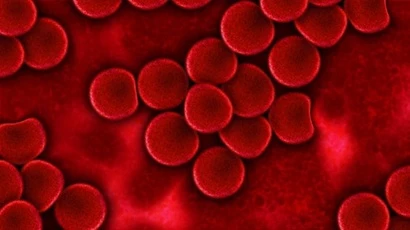
Aplastic anemia is a rare but serious blood disorder in which the bone marrow does not produce enough healthy blood cells. The condition can lead to a shortage of red blood cells, white blood cells, and platelets. As a result, a person may experience fatigue, weakness, frequent infections, easy bruising, bleeding, and other health problems.
Aplastic anemia can develop gradually or suddenly and may affect people at different ages. Early diagnosis and appropriate medical evaluation are important to identify the underlying cause and manage the condition effectively.
At Dr. Sanjay’s Homoeopathy, an individualized approach is considered based on the person’s symptoms, overall health, medical history, and constitutional profile alongside appropriate medical evaluation and care.
What is Aplastic Anemia?
Aplastic anemia is a condition in which the bone marrow fails to produce enough blood cells. Bone marrow is the soft tissue inside certain bones responsible for producing:
- Red blood cells
- White blood cells
- Platelets
When the bone marrow becomes damaged or does not function properly, the number of these blood cells may decrease.
A shortage of red blood cells can lead to anemia and fatigue, while a low white blood cell count may increase the risk of infections. A low platelet count can result in easy bruising and bleeding.
What are the Symptoms of Aplastic Anemia?
The symptoms of aplastic anemia depend on which blood cells are affected and how low the blood cell counts become.
Common symptoms include:
- Persistent fatigue
- Weakness
- Pale skin
- Shortness of breath
- Dizziness
- Headache
- Rapid or irregular heartbeat
- Frequent infections
- Fever
- Easy bruising
- Nosebleeds
- Bleeding gums
- Prolonged bleeding after minor cuts
- Tiny red or purple spots on the skin
- Heavy menstrual bleeding in some women
Symptoms may develop gradually or appear more suddenly in severe cases.
What are the Causes of Aplastic Anemia?
Aplastic anemia can develop when the bone marrow is damaged or when the body’s immune system affects the blood-forming stem cells.
Possible causes and associated factors include:
- Autoimmune disorders
- Certain viral infections
- Exposure to toxic chemicals
- Certain medicines
- Radiation exposure
- Chemotherapy
- Genetic conditions
- Pregnancy in rare cases
- Other bone marrow disorders
In some people, the exact cause may not be identified. This is known as idiopathic aplastic anemia.
Which People are at Higher Risk?
The risk of aplastic anemia may be higher in people with:
- Certain autoimmune conditions
- Exposure to toxic chemicals
- Previous chemotherapy or radiation treatment
- Certain viral infections
- A family history of inherited bone marrow disorders
- Exposure to specific medicines known to affect bone marrow
However, aplastic anemia can also occur without an identifiable risk factor.
Types of Aplastic Anemia
Aplastic anemia may be classified according to its cause and severity.
Acquired Aplastic Anemia
This develops during a person’s lifetime and may be associated with immune system changes, medicines, infections, chemical exposure, or other factors.
Inherited Aplastic Anemia
Some rare genetic conditions can affect bone marrow function and blood cell production.
Moderate Aplastic Anemia
Blood cell counts are reduced, but the condition may not meet the criteria for severe disease.
Severe Aplastic Anemia
Blood cell counts are significantly reduced, increasing the risk of serious infections and bleeding complications.
How is Aplastic Anemia Diagnosed?
Doctors diagnose aplastic anemia through a detailed medical history, physical examination, and blood and bone marrow investigations.
Tests may include:
- Complete blood count
- Reticulocyte count
- Peripheral blood smear
- Bone marrow aspiration
- Bone marrow biopsy
- Tests for viral infections
- Autoimmune investigations
- Genetic testing when indicated
- Other tests to identify possible causes
These evaluations help assess blood cell counts, bone marrow function, and possible underlying causes.
Treatment for Aplastic Anemia
Treatment depends on the severity of the condition, the person’s age, overall health, and the underlying cause.
Medical Treatment
Medical management may include:
- Blood transfusions
- Medicines to support blood cell production
- Immunosuppressive treatment
- Treatment of infections
- Antibiotics when required
- Medicines to reduce the risk of complications
Bone Marrow or Stem Cell Transplant
A stem cell or bone marrow transplant may be considered in selected cases, particularly when severe aplastic anemia requires advanced treatment.
Supportive Care
Supportive care may include regular blood tests, infection prevention, management of bleeding risk, nutritional support, and close medical monitoring.
Homeopathic Treatment
Homeopathy follows an individualized approach based on the person’s complete symptom picture and overall health. At Dr. Sanjay’s Homoeopathy, a detailed assessment may consider fatigue, weakness, recurrent infections, bleeding tendencies, general health, lifestyle, medical history, and constitutional profile.
The homeopathic approach focuses on individualized care and overall well-being while encouraging appropriate medical evaluation, regular blood monitoring, and specialist care for aplastic anemia.
Because aplastic anemia can become serious, treatment should be managed with proper medical supervision, particularly in cases involving severe anemia, infections, or bleeding.
Homeopathic Remedies for Aplastic Anemia
Homeopathic medicines are selected individually according to the person’s symptoms, medical history, and overall constitution.
The choice of medicine may consider:
- Degree of fatigue and weakness
- Skin pallor
- Tendency for infections
- Bleeding or bruising tendency
- Appetite and nutritional status
- Sleep pattern
- Emotional and physical symptoms
- Overall constitutional profile
A qualified physician should evaluate the individual condition before planning treatment, especially when blood counts are significantly reduced.
Complications of Untreated Aplastic Anemia
Without timely diagnosis and appropriate treatment, aplastic anemia may lead to serious complications, including:
- Severe infections
- Recurrent fever
- Excessive bleeding
- Internal bleeding
- Severe fatigue and weakness
- Heart-related complications due to severe anemia
- Reduced quality of life
Regular monitoring and appropriate treatment are important for reducing the risk of complications.
How Can You Support Overall Health?
People diagnosed with aplastic anemia should follow their treating doctor’s advice and attend regular follow-up appointments.
General measures may include:
- Following a balanced and nutritious diet
- Maintaining good hygiene
- Avoiding exposure to infections when blood counts are low
- Seeking medical care for fever or signs of infection
- Avoiding activities that may increase the risk of injury or bleeding
- Taking medicines as prescribed
- Attending regular blood tests and follow-up appointments
Frequently Asked Questions (FAQs)
What is aplastic anemia?
Aplastic anemia is a rare blood disorder in which the bone marrow does not produce enough healthy red blood cells, white blood cells, and platelets.
What are the early symptoms of aplastic anemia?
Common symptoms may include persistent fatigue, weakness, pale skin, dizziness, shortness of breath, frequent infections, easy bruising, and unusual bleeding.
What causes aplastic anemia?
Possible causes include immune system problems, certain infections, medicines, chemical exposure, radiation, chemotherapy, and inherited conditions. In some cases, the exact cause is unknown.
Is aplastic anemia serious?
Yes. Severe aplastic anemia can lead to serious infections, significant bleeding, and severe anemia. Early diagnosis and proper medical management are important.
How is aplastic anemia diagnosed?
Diagnosis may involve blood tests, bone marrow aspiration, bone marrow biopsy, and additional investigations to identify possible underlying causes.
Can aplastic anemia be treated?
Treatment depends on the severity and cause and may include blood transfusions, medicines, immunosuppressive therapy, and stem cell or bone marrow transplantation in selected cases.
Can homeopathy help in aplastic anemia?
Homeopathy follows an individualized approach based on the person’s symptoms, general health, and constitutional profile. At Dr. Sanjay’s Homoeopathy, homeopathic care may be considered as part of a personalized approach while maintaining appropriate medical monitoring and specialist guidance.
When should I seek immediate medical attention?
Immediate medical attention is important for symptoms such as high fever, difficulty breathing, severe weakness, uncontrolled bleeding, black or bloody stools, or other signs of serious infection or bleeding.
Why Choose Dr. Sanjay’s Homoeopathy for Aplastic Anemia Treatment in Lucknow, India?
At Dr. Sanjay’s Homoeopathy, people with chronic and complex health concerns receive personalized and holistic homeopathic care under the expert guidance of Dr. Sanjay Singh, MD (Homoeopathy), who has more than 22 years of experience. The clinic is trusted by patients from Lucknow, across India, and internationally for its individualized treatment plans, detailed evaluations, and compassionate patient-centered care. Every patient is carefully assessed according to their symptoms, fatigue, weakness, overall health, medical history, lifestyle, nutritional status, and constitutional profile to develop a personalized treatment approach aimed at supporting overall health and well-being naturally. Dr. Sanjay’s Homoeopathy combines classical homeopathic principles with modern medical understanding and emphasizes appropriate medical evaluation and specialist care whenever necessary.