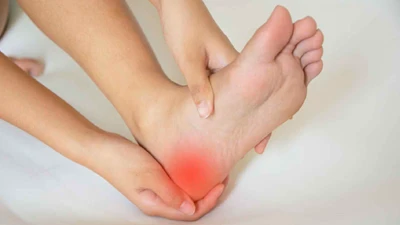
Heel pain is a common problem that can make walking, standing, exercising, and performing everyday activities uncomfortable. The pain may develop gradually or suddenly and can affect the bottom, back, or sides of the heel.
Heel pain can occur due to several conditions, including plantar fasciitis, Achilles tendon problems, heel spurs, injuries, arthritis, and other inflammatory conditions. The severity of pain can vary from mild discomfort to persistent pain that affects mobility and daily life. Early evaluation and appropriate treatment can help identify the underlying cause and improve comfort and movement.
What is Heel Pain?
Heel pain refers to pain or discomfort affecting the heel, which is the largest bone in the foot. The heel supports body weight and plays an important role in walking, running, and maintaining balance.
Pain may occur:
- Under the heel
- At the back of the heel
- Around the sides of the heel
- During the first steps in the morning
- After prolonged standing or walking
- During or after physical activity
The location and pattern of heel pain can help identify the possible underlying cause.
What are the Symptoms of Heel Pain?
Symptoms may vary depending on the underlying condition but commonly include:
- Sharp or stabbing pain in the heel
- Pain while taking the first steps in the morning
- Pain after prolonged sitting or resting
- Pain while walking or standing
- Tenderness around the heel
- Stiffness in the foot or ankle
- Swelling around the heel
- Pain at the back of the heel
- Difficulty walking
- Increased pain after exercise or physical activity
Some people may experience mild symptoms initially, while others may develop persistent pain that gradually affects mobility.
What are the Causes of Heel Pain?
Several conditions and factors can cause heel pain, including:
- Plantar fasciitis
- Heel spurs
- Achilles tendinitis
- Achilles tendon injury
- Bursitis
- Arthritis
- Gout
- Stress fractures
- Foot or ankle injuries
- Nerve irritation
- Flat feet
- High arches
- Overuse during sports or exercise
The exact cause of heel pain should be identified before planning appropriate treatment.
Plantar Fasciitis
Plantar fasciitis is one of the most common causes of heel pain. It occurs when the plantar fascia, a thick band of tissue running along the bottom of the foot, becomes irritated.
Common symptoms include:
- Sharp pain under the heel
- Pain during the first steps after waking up
- Pain after prolonged rest
- Increased discomfort after long periods of standing or walking
Heel Spurs
A heel spur is a bony growth that may develop on the heel bone. It can occur due to long-term stress or strain on the foot.
Not every heel spur causes pain. Some people may have a heel spur without experiencing significant symptoms.
Achilles Tendinitis
Achilles tendinitis involves irritation or inflammation of the Achilles tendon, which connects the calf muscles to the heel bone.
It may cause:
- Pain at the back of the heel
- Stiffness
- Tenderness
- Swelling
- Discomfort during walking or running
Which People are at Higher Risk of Heel Pain?
Heel pain may be more common in:
- People who stand for long periods
- Runners and athletes
- People with excess body weight
- People with flat feet or high arches
- People who wear poorly fitting footwear
- People involved in repetitive physical activities
- People with arthritis or inflammatory joint conditions
- People with a previous foot or ankle injury
- People who suddenly increase their exercise intensity
Types of Heel Pain
Plantar Heel Pain
Pain is usually felt under the heel and may be more noticeable during the first steps after waking up.
Posterior Heel Pain
This type of pain occurs at the back of the heel and may be associated with the Achilles tendon or surrounding structures.
Medial Heel Pain
Pain occurs on the inner side of the heel and may be related to soft tissue or nerve-related problems.
Lateral Heel Pain
Pain occurs on the outer side of the heel and may develop due to injury, strain, or other foot conditions.
How is Heel Pain Diagnosed?
Doctors diagnose heel pain through a detailed medical history and physical examination.
The evaluation may include:
- Location of pain
- Duration of symptoms
- Walking and activity patterns
- Previous injuries
- Type of footwear used
- Foot structure
- Range of movement
- Areas of tenderness
Diagnostic tests may include:
- X-rays
- Ultrasound
- MRI scans
- Blood tests when arthritis, gout, or another inflammatory condition is suspected
These evaluations help identify the underlying cause of heel pain and guide treatment.
Treatment for Heel Pain
Treatment depends on the cause, severity, and duration of symptoms.
Rest and Activity Modification
Reducing activities that worsen heel pain may help the affected tissues recover.
Physiotherapy and Stretching
Stretching and strengthening exercises may help improve flexibility and support the muscles and tissues around the foot and ankle.
Footwear and Orthotic Support
Comfortable and supportive footwear may help reduce stress on the heel. Some people may also benefit from shoe inserts or orthotic support.
Medical Treatment
Depending on the underlying cause, medical treatment may include pain-relieving medicines, anti-inflammatory medicines, physiotherapy, or other treatments.
Homeopathic Treatment
Homeopathy follows an individualized approach for people experiencing heel pain. At Dr. Sanjay’s Homoeopathy, treatment is planned after understanding the location, nature, and duration of pain, along with factors that worsen or relieve the symptoms.
The patient’s walking pattern, physical activity, previous injuries, associated joint complaints, overall health, and constitutional profile may also be considered while planning individualized homeopathic treatment. The approach aims to support comfort, mobility, and overall well-being naturally alongside appropriate medical care.
Homeopathic Remedies for Heel Pain
Homeopathic medicines are selected individually according to the person’s symptoms and overall constitution.
Rhus Toxicodendron
Often considered in homeopathic practice for stiffness and musculoskeletal discomfort, particularly when the symptom pattern is associated with rest and movement.
Ruta Graveolens
May be considered for complaints involving tendons, ligaments, and other connective tissues.
Arnica Montana
Often considered in cases where heel pain develops following overuse, physical strain, or injury.
Calcarea Fluorica
May be considered according to the individual’s symptom pattern in certain chronic musculoskeletal complaints.
Ledum Palustre
May be considered in selected cases of foot and joint discomfort.
The selection of homeopathic medicine depends on the complete symptom picture. Treatment should be planned under the guidance of a qualified homeopathic physician.
Complications of Untreated Heel Pain
Ignoring persistent heel pain may lead to:
- Chronic pain
- Difficulty walking
- Changes in walking pattern
- Reduced physical activity
- Foot and ankle stiffness
- Reduced mobility
- Increased stress on other joints
- Difficulty performing daily activities
Persistent heel pain should be properly evaluated to identify the underlying cause.
How Can You Help Prevent Heel Pain?
The following measures may help reduce the risk of heel problems:
- Wear comfortable and supportive footwear
- Avoid sudden increases in exercise intensity
- Stretch the feet and calf muscles regularly
- Maintain a healthy body weight
- Warm up before exercise
- Avoid prolonged standing when possible
- Replace worn-out shoes
- Increase physical activity gradually
- Rest when experiencing persistent pain
Frequently Asked Questions (FAQs)
What is the most common cause of heel pain?
Plantar fasciitis is one of the most common causes of heel pain. It often causes pain under the heel, especially during the first steps after waking up.
Why does my heel hurt when I wake up?
Pain during the first steps in the morning is commonly associated with plantar fasciitis, although other conditions can also cause heel pain.
Can a heel spur cause pain?
A heel spur may be associated with heel pain, but not everyone with a heel spur experiences symptoms.
Can arthritis cause heel pain?
Yes. Certain inflammatory and joint conditions, including arthritis, can contribute to pain around the heel and foot.
Can flat feet cause heel pain?
Flat feet can alter the distribution of pressure on the feet and may contribute to heel pain in some people.
Can homeopathy help with heel pain?
Homeopathic treatment follows an individualized approach based on the location and nature of pain, associated symptoms, activity patterns, overall health, and constitutional profile.
When should I consult a doctor for heel pain?
You should seek medical advice if heel pain is severe, persistent, associated with significant swelling, develops after an injury, or makes walking difficult.
Why Choose Dr. Sanjay’s Homoeopathy for Heel Pain Treatment in Lucknow, India?
At Dr. Sanjay’s Homoeopathy, people with heel pain and chronic musculoskeletal complaints receive advanced and holistic homeopathic care under the expert guidance of Dr. Sanjay Singh, MD (Homoeopathy), who has more than 22 years of experience in treating chronic and recurring health conditions naturally. The clinic is trusted by patients from Lucknow, across India, and internationally for its personalized treatment plans, detailed evaluations, and compassionate patient-centered care. Every patient is carefully assessed according to the location and nature of heel pain, duration of symptoms, walking pattern, physical activity, previous injuries, associated joint complaints, lifestyle, overall health, and constitutional profile to provide individualized treatment aimed at supporting comfort, mobility, and overall well-being naturally. Dr. Sanjay’s Homoeopathy combines classical homeopathic principles with modern medical understanding and recommends specialist evaluation whenever necessary.