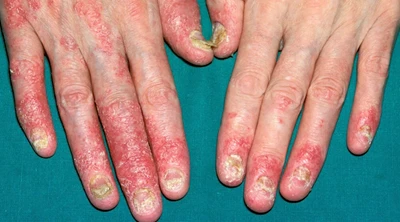
Psoriatic arthritis is a chronic inflammatory condition that affects the joints and is commonly associated with psoriasis. It can cause joint pain, stiffness, swelling, reduced mobility, and difficulty performing everyday activities. In some cases, joint symptoms may develop after psoriasis appears on the skin, while in others, joint problems may begin before noticeable skin symptoms.
Psoriatic arthritis can affect different joints and may also involve the tendons, ligaments, spine, fingers, toes, skin, and nails. The severity of symptoms varies from person to person. Early diagnosis and appropriate treatment can help manage symptoms, maintain joint function, and improve quality of life.
What is Psoriatic Arthritis?
Psoriatic arthritis is an inflammatory type of arthritis associated with psoriasis. It occurs when inflammation affects the joints and surrounding tissues, leading to pain, stiffness, swelling, and reduced movement.
The condition may affect:
- Joints
- Fingers and toes
- Tendons
- Ligaments
- Spine
- Skin
- Nails
Psoriatic arthritis can affect a single joint or multiple joints, and symptoms may gradually worsen or occur in episodes.
What are the Symptoms of Psoriatic Arthritis?
The symptoms vary depending on the joints and tissues involved, but commonly include:
- Joint pain
- Joint stiffness
- Swelling around the joints
- Morning stiffness
- Warmth and tenderness
- Reduced range of movement
- Swollen fingers or toes
- Heel pain
- Pain in the feet
- Back or neck pain
- Fatigue
- Difficulty performing daily activities
Some people may also experience skin and nail symptoms such as:
- Red or scaly skin patches
- Dry and flaky skin
- Nail pitting
- Thickened nails
- Changes in nail appearance
- Separation of the nail from the nail bed
What are the Causes of Psoriatic Arthritis?
The exact cause of psoriatic arthritis is not completely understood. Several factors may contribute to its development, including:
- Psoriasis
- Family history of psoriasis or psoriatic arthritis
- Genetic factors
- Immune system changes
- Certain infections
- Physical stress or injury
- Environmental factors
Not everyone with psoriasis develops psoriatic arthritis, but people with psoriasis may have a higher risk of developing joint symptoms.
Which People are at Higher Risk?
People who may be at a higher risk include:
- People with psoriasis
- People with nail psoriasis
- People with a family history of psoriasis
- People with a family history of psoriatic arthritis
- People with persistent inflammatory joint symptoms
- People with certain genetic factors
Types of Psoriatic Arthritis
Asymmetric Psoriatic Arthritis
This type may affect a small number of joints. The affected joints may be different on each side of the body.
Symmetric Psoriatic Arthritis
This pattern can affect multiple joints on both sides of the body and may cause persistent pain, swelling, and stiffness.
Distal Joint Arthritis
This type mainly affects the small joints closest to the fingernails and toenails and may occur along with nail changes.
Psoriatic Spondylitis
Psoriatic arthritis may affect the spine and cause:
- Back pain
- Neck pain
- Stiffness
- Reduced spinal movement
Arthritis Mutilans
This is a rare and severe form of psoriatic arthritis that can lead to significant joint damage and deformity.
What is Dactylitis?
Dactylitis is swelling of an entire finger or toe and is sometimes seen in psoriatic arthritis.
The affected finger or toe may become:
- Swollen
- Painful
- Tender
- Stiff
- Difficult to move
What is Enthesitis?
Enthesitis refers to inflammation in the areas where tendons or ligaments attach to the bones.
Common areas that may be affected include:
- Heels
- Bottom of the feet
- Elbows
- Knees
It can cause pain, tenderness, and difficulty during movement or weight-bearing activities.
How is Psoriatic Arthritis Diagnosed?
Doctors diagnose psoriatic arthritis through medical history, physical examination, and investigations when necessary.
The evaluation may include:
- Assessment of joint pain and swelling
- Examination of the skin
- Examination of the nails
- Assessment of morning stiffness
- Evaluation of back and neck movement
- Family history of psoriasis or arthritis
Diagnostic tests may include:
- Blood tests
- Inflammatory marker tests
- X-rays
- Ultrasound
- MRI scans
These evaluations help identify inflammation, assess joint changes, and rule out other causes of joint pain.
Treatment for Psoriatic Arthritis
Treatment depends on the severity of symptoms, the joints affected, skin involvement, and the overall health of the individual.
Medical Treatment
Medical treatment may include medicines to manage pain and inflammation and, when required, medicines aimed at controlling the underlying inflammatory condition.
Physiotherapy and Exercise
Appropriate exercise and physiotherapy can help improve:
- Joint movement
- Muscle strength
- Flexibility
- Balance
- Daily functioning
The type and intensity of exercise should be adjusted according to the individual’s symptoms and physical condition.
Lifestyle Measures
Maintaining a healthy lifestyle can support joint health and overall well-being. Helpful measures may include maintaining a healthy weight, staying physically active, avoiding excessive strain on painful joints, getting adequate sleep, and managing stress.
Homeopathic Treatment
Homeopathy focuses on an individualized approach based on the person’s complete symptom picture. At Dr. Sanjay’s Homoeopathy, treatment for psoriatic arthritis is planned after a detailed evaluation of joint pain, stiffness, swelling, skin symptoms, nail changes, mobility, lifestyle, overall health, and constitutional profile. The homeopathic approach aims to support joint comfort, mobility, overall well-being, and the management of recurring symptoms naturally alongside appropriate medical care.
Homeopathic Remedies for Psoriatic Arthritis
Homeopathic medicines are selected individually based on the patient’s symptoms and overall constitution.
Rhus Toxicodendron
Often considered for joint stiffness and discomfort, particularly when symptoms are associated with rest and movement patterns.
Bryonia Alba
May be considered when joint pain and stiffness are prominent and movement affects the symptoms.
Ruta Graveolens
May be considered in cases where discomfort involving tendons, ligaments, and surrounding tissues is prominent.
Causticum
Often considered according to an individual’s pattern of joint stiffness, discomfort, and reduced mobility.
Ledum Palustre
May be considered in selected cases involving joint discomfort and inflammatory symptoms.
The choice of homeopathic medicine depends on the individual’s complete symptom picture. Treatment should be planned under the guidance of a qualified homeopathic physician.
Complications of Untreated Psoriatic Arthritis
Ignoring persistent joint symptoms may lead to:
- Chronic joint pain
- Persistent stiffness
- Reduced mobility
- Joint damage
- Joint deformity
- Difficulty walking
- Muscle weakness
- Difficulty performing daily activities
- Reduced quality of life
Early evaluation and appropriate management can help address symptoms and maintain joint function.
How Can You Manage Psoriatic Arthritis?
The following measures may help support joint health and overall well-being:
- Stay physically active according to your ability
- Perform gentle stretching and mobility exercises
- Maintain a healthy body weight
- Follow a balanced diet
- Avoid excessive strain on painful joints
- Get adequate sleep
- Manage stress
- Avoid smoking
- Follow your recommended treatment plan
- Seek medical advice for worsening symptoms
Frequently Asked Questions (FAQs)
What is psoriatic arthritis?
Psoriatic arthritis is a chronic inflammatory condition associated with psoriasis that can affect the joints, tendons, ligaments, fingers, toes, spine, skin, and nails.
What are the early symptoms of psoriatic arthritis?
Early symptoms may include joint pain, stiffness, swelling, morning stiffness, heel pain, fatigue, swollen fingers or toes, and difficulty moving the affected joints.
Can psoriatic arthritis occur without psoriasis?
In some cases, joint symptoms may develop before noticeable skin symptoms. A family history of psoriasis may also be relevant.
What is dactylitis?
Dactylitis is swelling of an entire finger or toe, which may become painful, tender, stiff, and difficult to move.
Can psoriatic arthritis affect the spine?
Yes. Psoriatic arthritis can affect the spine and may cause back pain, neck pain, stiffness, and reduced movement.
Can psoriatic arthritis affect the nails?
Yes. Some people may experience nail pitting, thickening, discoloration, or separation of the nail from the nail bed.
Can homeopathy help with psoriatic arthritis?
Homeopathic treatment follows an individualized approach based on joint symptoms, stiffness, swelling, skin complaints, overall health, and the person’s constitutional profile.
What lifestyle changes may help manage psoriatic arthritis?
Regular appropriate exercise, maintaining a healthy weight, adequate sleep, stress management, and avoiding excessive strain on painful joints may support overall joint health.
Why Choose Dr. Sanjay’s Homoeopathy for Psoriatic Arthritis Treatment in Lucknow, India?
At Dr. Sanjay’s Homoeopathy, people with chronic joint and inflammatory conditions receive advanced and holistic homeopathic care under the expert guidance of Dr. Sanjay Singh, MD (Homoeopathy), who has more than 22 years of experience in treating chronic and recurring health conditions naturally. The clinic is trusted by patients from Lucknow, across India, and internationally for its personalized treatment plans, detailed evaluations, and compassionate patient-centered care. Every patient is carefully assessed according to joint pain, stiffness, swelling, skin symptoms, nail changes, mobility, lifestyle, overall health, and constitutional profile to provide individualized treatment aimed at supporting joint health and overall well-being naturally. Dr. Sanjay’s Homoeopathy combines classical homeopathic principles with modern medical understanding and recommends specialist evaluation whenever necessary.