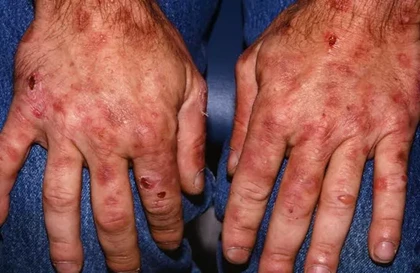
Porphyria is a group of rare disorders that affect the body’s ability to produce heme, an important component of hemoglobin and several proteins involved in normal body functions. When one of the enzymes involved in heme production does not work properly, porphyrins or porphyrin precursors can accumulate in the liver or bone marrow and cause various symptoms.
Depending on the type, porphyria may primarily affect the nervous system, digestive system, or skin. Some forms cause sudden attacks of severe abdominal pain and neurological symptoms, while others cause skin sensitivity, pain, blistering, or other reactions after exposure to sunlight.
Because porphyria is rare and its symptoms can resemble several other conditions, accurate diagnosis and appropriate specialist care are important.
What is Porphyria?
Porphyria refers to a group of disorders caused by abnormalities in the pathway that produces heme. Most types are related to genetic changes affecting enzymes involved in heme production.
When the pathway is disrupted, certain substances called porphyrins and porphyrin precursors may accumulate in the body. Depending on the type of porphyria, these substances may build up mainly in the liver or bone marrow and can affect the nervous system or skin.
Porphyrias are broadly classified into:
- Acute porphyrias
- Cutaneous porphyrias
Some types may have both neurological and skin manifestations.
What are the Symptoms of Porphyria?
Symptoms vary considerably depending on the type of porphyria.
Symptoms of Acute Porphyria
Acute porphyrias can cause attacks that develop over hours or days and may last for several days or weeks.
Common symptoms include:
- Severe abdominal pain
- Back pain
- Pain in the arms or legs
- Nausea
- Vomiting
- Constipation
- Dark or reddish-brown urine
- Anxiety
- Confusion
- Hallucinations
- Seizures
- Muscle weakness
- Difficulty moving the arms or legs
- Urinary retention
- Urinary incontinence
- Rapid heartbeat
- Breathing difficulties in severe cases
Severe acute attacks can become potentially life-threatening and may require hospital treatment.
Symptoms of Cutaneous Porphyria
Cutaneous forms primarily affect the skin, particularly after exposure to sunlight.
Symptoms may include:
- Skin sensitivity to sunlight
- Burning or stinging sensation
- Redness
- Swelling
- Blisters
- Fragile skin
- Skin wounds
- Slow healing
- Scarring
- Changes in skin pigmentation
- Pain after sunlight exposure
Some forms cause significant pain and redness without producing blisters.
Types of Porphyria
Porphyrias are commonly divided into acute and cutaneous types.
Acute Intermittent Porphyria
Acute intermittent porphyria primarily affects the nervous system. Severe abdominal pain is one of its characteristic symptoms, and attacks may also cause vomiting, weakness, psychiatric symptoms, or other neurological problems.
Variegate Porphyria
Variegate porphyria can cause acute neurological attacks as well as skin symptoms related to sunlight exposure.
Hereditary Coproporphyria
Hereditary coproporphyria may cause acute neurological symptoms and, in some cases, skin sensitivity and blistering.
Delta-Aminolevulinic Acid Dehydratase Deficiency Porphyria
This is an extremely rare acute porphyria associated mainly with neurological symptoms.
Porphyria Cutanea Tarda
Porphyria cutanea tarda is the most common type of porphyria overall. It primarily affects the skin and may cause fragile skin and blistering in areas exposed to sunlight.
Erythropoietic Protoporphyria
Erythropoietic protoporphyria commonly causes pain, burning, tingling, redness, or swelling after exposure to sunlight. Blisters may not be present.
X-Linked Protoporphyria
X-linked protoporphyria can produce photosensitivity and symptoms similar to erythropoietic protoporphyria.
Congenital Erythropoietic Porphyria
This rare form can cause severe photosensitivity, blistering, scarring, and other skin problems.
What are the Causes of Porphyria?
Most types of porphyria are caused by genetic mutations affecting enzymes involved in heme production.
However, some forms may also be influenced by environmental, hormonal, lifestyle, or medical factors.
Genetic Factors
Many forms are inherited and can run in families. However, having a genetic mutation does not always mean that a person will develop symptoms.
Certain Medicines
Some medicines can trigger acute porphyria attacks. People diagnosed with porphyria should check with their doctor before taking prescription medicines, over-the-counter medicines, supplements, or herbal products.
Fasting and Crash Dieting
Significant calorie restriction, fasting, or very low-carbohydrate diets can trigger acute attacks in susceptible individuals.
Alcohol
Alcohol, particularly heavy alcohol consumption, can increase the risk of certain porphyrias and acute attacks.
Smoking
Smoking may contribute to the development or worsening of some forms of porphyria.
Hormonal Changes
Hormonal changes, including those associated with female reproductive hormones, can trigger attacks in some people with acute porphyria.
Other Medical Conditions
Certain infections and conditions affecting the liver or iron metabolism may contribute to particular forms of porphyria, especially porphyria cutanea tarda.
Risk Factors for Porphyria
The risk of symptomatic porphyria may be influenced by:
- Family history of porphyria
- Genetic mutations associated with porphyria
- Certain medicines
- Fasting or extreme dieting
- Heavy alcohol consumption
- Smoking
- Hormonal changes
- Certain infections
- Increased iron levels
- Liver disease
- Exposure to sunlight in photosensitive forms
Not everyone with a genetic predisposition develops symptoms.
What Can Trigger an Acute Porphyria Attack?
Several factors can trigger or worsen acute porphyria attacks.
These may include:
- Certain medicines
- Fasting
- Crash diets
- Low-carbohydrate diets
- Alcohol
- Smoking
- Physical stress
- Severe illness
- Hormonal changes
- Significant psychological stress
Because medication-related attacks can be serious, people with confirmed or suspected acute porphyria should consult a healthcare professional before starting new medicines.
How is Porphyria Diagnosed?
Porphyria can be difficult to diagnose because its symptoms overlap with several other diseases.
Diagnosis usually begins with a detailed medical history, symptom assessment, and physical examination.
Depending on the suspected type, doctors may recommend:
- Urine testing
- Blood testing
- Stool testing
- Porphyrin testing
- Porphyrin precursor testing
- Urinary porphobilinogen testing during suspected acute attacks
- Delta-aminolevulinic acid testing
- Genetic testing
- Liver-related investigations when appropriate
Laboratory testing can help identify whether porphyrins or porphyrin precursors are elevated and determine which type of porphyria may be present.
Treatment for Porphyria
Treatment depends on the specific type of porphyria, the severity of symptoms, and whether the person is experiencing an acute attack.
Treatment of Acute Attacks
Severe acute attacks often require hospital treatment.
Medical treatment may include:
- Intravenous heme
- Glucose or dextrose when appropriate
- Medicines for pain
- Medicines for nausea and vomiting
- Management of blood pressure and heart rate
- Monitoring of neurological function
- Management of fluid and electrolyte abnormalities
Severe attacks may require close monitoring because neurological complications can affect muscle strength, bladder function, and breathing.
Preventing Future Attacks
People with acute porphyria may be advised to:
- Avoid known trigger medicines
- Avoid fasting
- Avoid crash diets
- Maintain adequate nutrition
- Avoid excessive alcohol
- Stop smoking
- Identify individual triggers
- Follow specialist recommendations
Some people with recurrent acute attacks may be considered for preventive medicines such as givosiran under specialist care.
Treatment of Cutaneous Porphyria
Treatment depends on the specific form.
For porphyria cutanea tarda, treatment may include therapeutic phlebotomy or specific medicines to reduce porphyrin accumulation. Doctors may also address contributing factors such as excess iron, alcohol use, smoking, or certain infections.
People with photosensitive forms may need careful protection from sunlight.
Sun Protection for Porphyria
People with cutaneous porphyria may need to reduce exposure to sunlight.
Helpful measures may include:
- Wearing protective clothing
- Using appropriate physical barriers against sunlight
- Wearing gloves when appropriate
- Using wide-brimmed hats
- Avoiding prolonged direct sunlight
- Planning outdoor activities around periods of lower sun exposure
- Following specialist recommendations for skin protection
The type of sun protection needed may vary according to the specific form of porphyria.
Diet and Lifestyle Management
Nutrition is particularly important in acute porphyria.
People with acute porphyria should generally avoid prolonged fasting and extreme calorie-restricted diets. A balanced diet with adequate carbohydrate intake may help reduce the risk of attacks.
Lifestyle measures may include:
- Eating regular balanced meals
- Avoiding prolonged fasting
- Avoiding crash diets
- Avoiding excessive alcohol
- Avoiding smoking
- Maintaining adequate hydration
- Identifying personal triggers
- Taking medicines only after checking their safety when appropriate
- Following regular medical monitoring
Homeopathic Treatment for Porphyria
Porphyria is a rare metabolic disorder involving the heme-production pathway, and there is no reliable scientific evidence that homeopathy can correct the underlying enzyme defect, remove accumulated porphyrins, or cure porphyria.
At Dr. Sanjay’s Homoeopathy, homeopathic care may be considered only as complementary supportive care for selected non-emergency symptoms and general wellbeing. It should not replace specialist diagnosis, genetic evaluation, appropriate laboratory testing, treatment of acute attacks, prescribed medicines, nutritional management, or other evidence-based care.
Patients with suspected acute porphyria require appropriate medical evaluation because severe attacks can involve the nervous system and may become life-threatening.
Homeopathic Remedies for Porphyria
There is no scientifically established homeopathic medicine proven to treat or cure porphyria.
In traditional homeopathic practice, an individual’s symptoms may be assessed on a case-by-case basis. However, any complementary care should be coordinated with appropriate medical management and should never delay treatment of an acute porphyria attack.
Complications of Porphyria
Complications depend on the type of porphyria.
Possible complications include:
- Severe recurrent abdominal pain
- Muscle weakness
- Paralysis
- Breathing difficulties
- Seizures
- High blood pressure
- Kidney problems
- Liver damage
- Liver cancer
- Cirrhosis
- Gallstones
- Severe skin damage
- Skin infections
- Scarring
- Anemia
- Reduced quality of life
Acute porphyria and some cutaneous forms are associated with increased liver-related risks, so appropriate long-term monitoring may be recommended.
When Should You Seek Medical Help?
Immediate medical attention may be necessary if you experience symptoms suggestive of an acute porphyria attack, particularly:
- Severe unexplained abdominal pain
- Persistent vomiting
- Severe weakness
- Difficulty moving the arms or legs
- Confusion
- Seizures
- Difficulty breathing
- Urinary retention
- Severe neurological symptoms
People with known porphyria should inform healthcare professionals about their diagnosis before receiving new medicines or treatment.
Frequently Asked Questions (FAQs)
What is porphyria?
Porphyria is a group of rare disorders caused by problems in the body’s heme-production pathway, resulting in the accumulation of porphyrins or porphyrin precursors.
What are the main symptoms of porphyria?
Symptoms depend on the type. Acute forms may cause severe abdominal pain, vomiting, neurological symptoms, weakness, and dark urine, while cutaneous forms may cause sunlight-related pain, redness, swelling, blistering, or fragile skin.
Is porphyria hereditary?
Many types of porphyria are inherited because of genetic mutations. However, not everyone who carries a mutation develops symptoms.
What triggers porphyria attacks?
Acute attacks can be triggered by certain medicines, fasting, crash dieting, low-carbohydrate intake, alcohol, smoking, illness, stress, and hormonal changes.
Can porphyria cause abdominal pain?
Yes. Severe abdominal pain is one of the characteristic symptoms of acute porphyria and may occur with nausea, vomiting, constipation, or neurological symptoms.
Can porphyria affect the skin?
Yes. Several types of porphyria cause photosensitivity, pain, redness, swelling, blistering, fragile skin, or scarring after sunlight exposure.
How is porphyria diagnosed?
Diagnosis may involve blood, urine, and stool tests measuring porphyrins and their precursors. Genetic testing may also help identify the specific type of porphyria.
Can porphyria be cured?
Treatment and long-term management depend on the specific type. Some forms can be effectively controlled, while severe cases may require specialized treatments. Acute attacks require appropriate medical management.
Can homeopathy cure porphyria?
There is no reliable scientific evidence that homeopathy can cure porphyria or correct the underlying enzyme abnormality. Homeopathic care should not replace specialist diagnosis or evidence-based treatment.
Should people with porphyria avoid fasting?
People with acute porphyria are generally advised to avoid prolonged fasting and crash diets because reduced calorie and carbohydrate intake can trigger attacks.
Why Choose Dr. Sanjay’s Homoeopathy for Porphyria Treatment in Lucknow, India?
At Dr. Sanjay’s Homoeopathy, patients with chronic and complex health concerns receive individualized treatment in Lucknow, India under the guidance of Dr. Sanjay Singh, MD (Homoeopathy), who has over 22 years of experience. Each patient is assessed according to their symptoms, medical history, lifestyle factors, recurring patterns, and overall health to develop an individualized approach. Because porphyria is a rare metabolic disorder that can require specialist diagnosis, laboratory testing, and specific medical treatment, the clinic emphasizes appropriate medical evaluation and does not recommend replacing necessary medical care with homeopathy. Homeopathic care, where considered appropriate, is complementary and should not substitute evidence-based treatment.