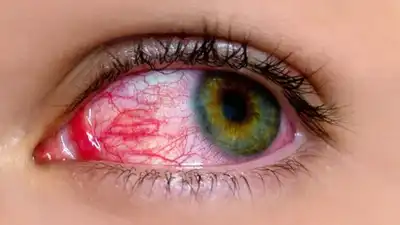
Conjunctivitis, commonly known as Pink Eye, is an inflammation or infection of the conjunctiva—the thin, transparent membrane that covers the white part of the eye and the inner surface of the eyelids. It is one of the most common eye conditions in children and may be caused by viruses, bacteria, allergies, or irritants. Although most cases are mild and recover completely with appropriate treatment, some forms are highly contagious. Early diagnosis and proper management help relieve symptoms, prevent complications, and reduce the spread of infection.
What is Conjunctivitis (Pink Eye) in Children?
Conjunctivitis is a condition in which the conjunctiva becomes inflamed, causing redness, irritation, and discharge from the eyes. The infection may affect one eye initially and later spread to the other eye, especially in viral and bacterial conjunctivitis.
Most children recover within a few days to two weeks, depending on the underlying cause.
What are the Symptoms of Conjunctivitis (Pink Eye) in Children?
Symptoms vary according to the cause. Common signs include:
- Red or pink eyes
- Watery eyes
- Thick yellow, green, or white eye discharge
- Sticky eyelids, especially after waking up
- Itchy eyes
- Burning or irritation in the eyes
- Swollen eyelids
- Excessive tearing
- Sensitivity to light
- Feeling of sand or grit in the eyes
- Mild blurred vision due to discharge
Parents should seek immediate medical attention if the child has severe eye pain, vision changes, significant swelling, sensitivity to light, or symptoms in a newborn.
What are the Causes of Conjunctivitis (Pink Eye) in Children?
Several factors can cause conjunctivitis.
Viral Infection
Viruses are the most common cause of pink eye and are highly contagious.
Bacterial Infection
Bacteria can cause thick pus-like discharge and eyelids that stick together.
Allergies
Pollen, dust mites, pet dander, and other allergens may trigger allergic conjunctivitis.
Irritants
Smoke, chlorine, chemicals, pollution, or foreign bodies can irritate the eyes and cause inflammation.
Blocked Tear Ducts
Infants may develop eye discharge due to blocked tear ducts, which can resemble conjunctivitis.
Which Children are at Higher Risk?
Children at higher risk include:
- School-going children
- Children attending daycare centers
- Children with seasonal allergies
- Children with recent upper respiratory infections
- Children who frequently rub their eyes
- Children exposed to infected family members
Types of Conjunctivitis in Children
Viral Conjunctivitis
Usually associated with watery discharge and often accompanies a common cold.
Bacterial Conjunctivitis
Characterized by thick yellow or green discharge and sticky eyelids.
Allergic Conjunctivitis
Usually affects both eyes and causes intense itching, redness, and watering.
Irritant Conjunctivitis
Occurs due to exposure to chemicals, smoke, or other irritants.
How is Conjunctivitis Diagnosed?
Doctors diagnose conjunctivitis through medical history and eye examination.
Diagnostic evaluation may include:
- Eye examination
- Medical history
- Vision assessment
- Examination of eye discharge
- Eye swab for laboratory testing in severe or recurrent cases
- Allergy evaluation when allergic conjunctivitis is suspected
Most children do not require laboratory tests.
Treatment for Conjunctivitis (Pink Eye) in Children
Medical Treatment
Treatment depends on the underlying cause and may include:
- Antibiotic eye drops or ointment for bacterial conjunctivitis
- Lubricating eye drops for viral conjunctivitis
- Antihistamine or anti-allergy eye drops for allergic conjunctivitis
- Artificial tears to relieve irritation
Home Care
Parents can help by:
- Cleaning eye discharge with clean cotton or gauze soaked in warm water
- Encouraging frequent hand washing
- Preventing children from rubbing their eyes
- Avoiding sharing towels, pillows, or washcloths
- Keeping the child home from school if advised by the doctor
Homeopathic Treatment
Homeopathy focuses on supporting eye comfort, strengthening immunity, and promoting overall wellbeing naturally. At Dr. Sanjay’s Homoeopathy, treatment is individualized according to the child’s symptoms, allergy history, eye health, immunity, and constitutional profile. The clinic follows a holistic approach designed to complement pediatric and ophthalmology care. Homeopathy should not replace antibiotic treatment for bacterial eye infections or emergency ophthalmic care when vision-threatening conditions are suspected.
Homeopathic Remedies for Conjunctivitis in Children
Homeopathic medicines are prescribed individually after a detailed assessment.
Euphrasia Officinalis
Often considered for watery eyes, redness, and irritation.
Belladonna
May be recommended for sudden redness, heat, and eye inflammation.
Pulsatilla
Commonly considered for thick yellow eye discharge and mild conjunctivitis.
Argentum Nitricum
May be prescribed for red, irritated eyes with burning sensations.
Apis Mellifica
Sometimes considered for swollen eyelids with stinging discomfort.
Homeopathic treatment should always be supervised by a qualified physician and should complement appropriate medical and ophthalmic care.
Complications of Untreated Conjunctivitis
Although most cases resolve without problems, untreated conjunctivitis may lead to:
- Spread of infection to the other eye
- Transmission to family members or classmates
- Persistent eye irritation
- Corneal involvement (rare)
- Temporary blurred vision
- Recurrent infections
- Vision problems in severe untreated cases
Early diagnosis and treatment help reduce complications.
How Can Parents Help Prevent Conjunctivitis?
Parents can help by:
- Encouraging frequent hand washing
- Teaching children to avoid rubbing their eyes
- Not sharing towels, pillows, or eye cosmetics
- Cleaning toys and frequently touched surfaces regularly
- Managing allergies appropriately
- Keeping children away from infected individuals whenever possible
Frequently Asked Questions (FAQs)
Is conjunctivitis contagious in children?
Yes. Viral and bacterial conjunctivitis are highly contagious, while allergic conjunctivitis is not contagious.
How long does pink eye last?
Most viral cases improve within 1–2 weeks, while bacterial conjunctivitis often improves within a few days after starting appropriate treatment.
Can my child go to school with pink eye?
This depends on the cause. Children with bacterial or viral conjunctivitis may need to stay home until advised by their healthcare provider to reduce the spread of infection.
Can homeopathy help children with conjunctivitis?
Homeopathy may provide supportive care for comfort and overall wellbeing as part of a comprehensive treatment plan alongside appropriate medical and eye care.
When should parents seek immediate medical attention?
Seek urgent medical care if the child has severe eye pain, vision changes, marked swelling, sensitivity to light, injury to the eye, or if a newborn develops symptoms of conjunctivitis.
Why choose Dr. Sanjay’s Homoeopathy for Conjunctivitis (Pink Eye) Treatment in Children in Lucknow, India?
At Dr. Sanjay’s Homoeopathy, children with recurrent eye allergies and common childhood infections receive advanced and holistic homeopathic supportive care under the expert guidance of Dr. Sanjay Singh, MD (Homoeopathy), who has over 22 years of experience in treating pediatric health conditions naturally. The clinic is trusted by families from Lucknow, across India, and internationally for its individualized treatment plans, comprehensive child evaluations, and compassionate care. Every child is assessed according to eye symptoms, allergy history, immunity, general health, and constitutional profile to provide personalized supportive care aimed at promoting overall well-being naturally. Dr. Sanjay’s Homoeopathy also emphasizes timely consultation with pediatricians and ophthalmologists whenever bacterial infection, severe eye pain, vision changes, or other serious eye conditions require specialized treatment.