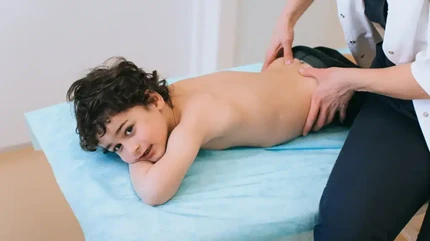
Hip pain in children is a condition that causes discomfort, stiffness, or pain in or around the hip joint. It can result from injuries, infections, inflammation, developmental disorders, or underlying bone conditions. The pain may be mild and temporary or severe enough to affect walking, running, or daily activities. Since some causes of hip pain can lead to permanent joint damage if left untreated, early diagnosis and appropriate treatment are essential.
What is Hip Pain in Children?
Hip pain refers to pain or discomfort originating from the hip joint, surrounding muscles, ligaments, tendons, or bones. Children with hip pain may limp, refuse to walk, or complain of pain in the hip, groin, thigh, or even the knee, as hip pain can sometimes be felt in nearby areas.
The condition can affect children of all ages and may develop suddenly after an injury or gradually due to an underlying medical condition.
What are the Symptoms of Hip Pain in Children?
The symptoms depend on the underlying cause. Common signs include:
- Pain in the hip or groin
- Pain spreading to the thigh or knee
- Limping while walking
- Difficulty walking or running
- Stiffness in the hip joint
- Reduced range of motion
- Pain while standing or climbing stairs
- Swelling around the hip (less common)
- Fever if an infection is present
- Refusal to bear weight on the affected leg
Parents should seek immediate medical attention if the child has severe pain, cannot walk, develops a high fever, or experiences hip pain after a major injury.
What are the Causes of Hip Pain in Children?
Several conditions can cause hip pain in children.
Muscle Strain
Sports activities, exercise, or overuse may strain the muscles around the hip.
Transient Synovitis
A temporary inflammation of the hip joint, often occurring after a viral infection.
Septic Arthritis
A serious bacterial infection of the hip joint requiring emergency treatment.
Slipped Capital Femoral Epiphysis (SCFE)
A condition in which the ball of the hip joint slips from its normal position, usually affecting older children and adolescents.
Legg-Calvé-Perthes Disease
A childhood condition in which reduced blood supply affects the hip bone.
Hip Injury or Fracture
Falls, sports injuries, or accidents may damage the hip joint or surrounding bones.
Juvenile Idiopathic Arthritis
Chronic inflammation of the joints that may involve the hip.
Which Children are at Higher Risk?
Children at higher risk include:
- Children involved in sports
- Overweight or obese children
- Rapidly growing adolescents
- Children with previous hip injuries
- Children with inflammatory joint diseases
- Children with congenital hip abnormalities
Types of Hip Pain
Acute Hip Pain
Develops suddenly, often due to injury or infection.
Chronic Hip Pain
Persists for several weeks or months and may be associated with inflammatory or developmental conditions.
Mechanical Hip Pain
Caused by injuries, overuse, or structural abnormalities.
Inflammatory Hip Pain
Occurs due to infections or autoimmune diseases affecting the hip joint.
How is Hip Pain Diagnosed?
Doctors diagnose hip pain through medical history, physical examination, and imaging studies.
Diagnostic investigations may include:
- Physical examination
- X-rays
- Hip ultrasound
- MRI scan
- Blood tests
- Joint fluid analysis if infection is suspected
- CT scan in selected cases
These investigations help identify the exact cause and guide treatment.
Treatment for Hip Pain in Children
Rest and Activity Modification
Reducing strenuous activities allows injured muscles and joints to recover.
Medical Treatment
Treatment may include pain-relieving medicines, anti-inflammatory medications, antibiotics for infections, or treatment of the underlying condition.
Physiotherapy
Rehabilitation exercises help restore strength, flexibility, and normal hip movement.
Surgical Treatment
Some conditions, such as SCFE, fractures, or severe developmental hip disorders, may require surgery.
Homeopathic Treatment
Homeopathy focuses on supporting musculoskeletal health, promoting overall wellbeing, and providing individualized supportive care for selected non-emergency conditions. At Dr. Sanjay’s Homoeopathy, treatment is tailored according to the child’s symptoms, growth pattern, activity level, medical history, and constitutional profile. The clinic follows a holistic approach designed to complement pediatric orthopedic care. Homeopathy should not replace emergency treatment for fractures, septic arthritis, slipped capital femoral epiphysis, or other serious hip disorders.
Homeopathic Remedies for Hip Pain in Children
Homeopathic medicines are prescribed individually after a detailed assessment.
Arnica Montana
Often considered for pain, bruising, and discomfort following minor injuries.
Rhus Toxicodendron
May be recommended for stiffness and pain that improves with gentle movement.
Bryonia Alba
Commonly considered for joint pain that worsens with movement and improves with rest.
Ruta Graveolens
May be used for ligament, tendon, and overuse injuries.
Calcarea Phosphorica
Sometimes prescribed for growing children with bone discomfort and delayed healing.
Homeopathic treatment should always be supervised by a qualified physician and should complement appropriate orthopedic and pediatric care.
Complications of Untreated Hip Pain
Without proper treatment, hip pain may lead to:
- Persistent pain
- Limping
- Reduced mobility
- Permanent joint damage
- Hip deformity
- Delayed growth of the hip joint
- Chronic arthritis
- Difficulty participating in sports and daily activities
Early diagnosis and treatment improve long-term outcomes.
How Can Parents Help Prevent Hip Pain?
Parents can help by:
- Encouraging regular physical activity with proper warm-up
- Maintaining a healthy body weight
- Providing a balanced diet rich in calcium and vitamin D
- Using appropriate protective sports equipment
- Treating injuries promptly
- Seeking medical evaluation for persistent limping or hip pain
Frequently Asked Questions (FAQs)
What causes hip pain in children?
Hip pain may be caused by muscle strain, transient synovitis, infections, fractures, developmental hip disorders, arthritis, or sports injuries.
When should parents worry about hip pain?
Parents should seek immediate medical care if the child cannot walk, has severe pain, develops a fever, or experiences pain after a major injury.
Can hip pain cause knee pain?
Yes. Hip problems often cause referred pain to the thigh or knee, especially in children.
Can homeopathy help children with hip pain?
Homeopathy may provide supportive care for selected non-emergency musculoskeletal conditions as part of a comprehensive treatment plan alongside appropriate orthopedic and pediatric care.
Does every child with hip pain need an X-ray?
No. Imaging depends on the child’s symptoms, age, physical examination findings, and the suspected underlying condition.
Why choose Dr. Sanjay’s Homoeopathy for Hip Pain Treatment in Children in Lucknow, India?
At Dr. Sanjay’s Homoeopathy, children with musculoskeletal discomfort receive advanced and holistic homeopathic treatment the expert guidance of Dr. Sanjay Singh, MD (Homoeopathy), who has over 22 years of experience in treating pediatric chronic health conditions naturally. The clinic is trusted by families from Lucknow, across India, and internationally for its individualized treatment plans, comprehensive child evaluations, and compassionate care. Every child is assessed according to pain pattern, mobility, nutritional status, growth, physical activity, and constitutional profile to provide personalized supportive care aimed at promoting healthy bones, joints, and overall wellbeing naturally. Dr. Sanjay’s Homoeopathy also emphasizes timely consultation with pediatric orthopedic specialists whenever imaging, surgery, or emergency treatment is required.