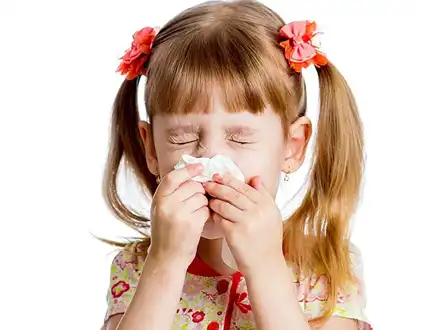
Allergic rhinitis in children, commonly known as nasal allergy or hay fever, is a condition in which the immune system overreacts to allergens such as dust, pollen, mold, pet dander, or smoke. This reaction causes inflammation inside the nose, leading to sneezing, a runny or blocked nose, itchy eyes, and frequent nasal irritation. Although allergic rhinitis is not usually life-threatening, it can affect a child’s sleep, school performance, concentration, and quality of life. Early diagnosis and appropriate management can help control symptoms and reduce recurring allergy episodes.
What is Allergic Rhinitis in Children?
Allergic rhinitis is an immune response that occurs when a child inhales substances to which they are allergic. The body releases chemicals such as histamine, causing inflammation of the nasal lining and resulting in allergy symptoms.
Some children experience seasonal allergies during certain times of the year, while others may have symptoms throughout the year due to indoor allergens.
What are the Symptoms of Allergic Rhinitis in Children?
The symptoms of allergic rhinitis may vary in severity but commonly include:
- Frequent sneezing
- Runny nose with clear discharge
- Blocked or stuffy nose
- Itchy nose, throat, or eyes
- Watery or red eyes
- Mouth breathing due to nasal blockage
- Snoring or disturbed sleep
- Persistent dry cough caused by postnasal drip
- Dark circles under the eyes (“allergic shiners”)
- Reduced concentration or daytime tiredness
Parents should seek medical advice if symptoms persist for several weeks or interfere with daily activities.
What are the Causes of Allergic Rhinitis in Children?
Allergic rhinitis occurs when the immune system reacts to harmless environmental substances. Common triggers include:
- House dust mites
- Pollen from trees, grasses, or weeds
- Pet hair or dander
- Mold spores
- Smoke and air pollution
- Strong perfumes or chemical odors
- Weather changes
- Cockroach allergens
Children with a family history of allergies or asthma may be more likely to develop allergic rhinitis.
Which Children are at Higher Risk?
The risk is higher in:
- Children with a family history of allergies
- Children with asthma or eczema
- Children exposed to indoor dust or smoke
- Children living in highly polluted environments
- Children with recurrent respiratory allergies
Types of Allergic Rhinitis in Children
Seasonal Allergic Rhinitis
Symptoms occur during specific seasons due to pollen or outdoor allergens.
Perennial Allergic Rhinitis
Symptoms persist throughout the year and are commonly triggered by dust mites, pet dander, mold, or indoor allergens.
How is Allergic Rhinitis Diagnosed in Children?
Doctors diagnose allergic rhinitis through medical history, symptom evaluation, and physical examination.
Additional tests may include:
- Allergy skin testing
- Blood tests for allergy markers
- Nasal examination
- Assessment for asthma or sinus problems if needed
These investigations help identify allergy triggers and guide treatment.
Treatment for Allergic Rhinitis in Children
Allergen Avoidance
Reducing exposure to known allergens is an important part of management. Keeping the home clean, using dust-proof bedding, and avoiding smoke exposure may help reduce symptoms.
Medical Treatment
Depending on the severity, doctors may recommend antihistamines, nasal sprays, or other medications to control allergy symptoms.
Homeopathic Treatment
Homeopathy aims to support the child’s immune balance, reduce allergic sensitivity, improve respiratory health, and lower the frequency of recurring allergy episodes naturally. At Dr. Sanjay’s Homoeopathy, treatment is individualized based on the child’s allergy triggers, nasal symptoms, immunity, family history, and constitutional profile. The clinic follows a holistic and child-friendly approach designed to promote long-term respiratory wellness alongside appropriate medical care.
Lifestyle Measures
Maintaining good indoor air quality, encouraging proper hydration, and avoiding known allergens can help improve symptom control.
Allergic Rhinitis Homeopathic Remedies for Children
Homeopathic medicines are selected individually according to the child’s symptoms and overall constitution.
Allium Cepa
Often considered for watery nasal discharge accompanied by frequent sneezing and eye irritation.
Sabadilla
May help children with repeated sneezing, itchy nose, and seasonal allergies.
Arsenicum Album
Commonly used for nasal blockage, burning discharge, and allergies associated with restlessness.
Natrum Muriaticum
May be recommended for chronic sneezing, watery nasal discharge, and sensitivity to sunlight or dust.
Nux Vomica
Sometimes considered for allergies aggravated by pollution, smoke, or environmental irritants.
Homeopathic treatment should always be taken under the supervision of a qualified doctor.
Complications of Untreated Allergic Rhinitis
If symptoms are ignored, allergic rhinitis may contribute to:
- Chronic nasal congestion
- Recurrent sinus infections
- Ear infections
- Sleep disturbances
- Poor concentration and school performance
- Mouth breathing habits
- Increased risk of asthma flare-ups in susceptible children
Timely management can reduce these risks.
How Can Parents Help Prevent Allergy Flare-Ups?
Parents can support their child by:
- Keeping bedrooms free of dust accumulation
- Washing bedding regularly in hot water
- Limiting exposure to smoke and pollutants
- Using air filters where appropriate
- Encouraging hand washing after outdoor activities
- Identifying and avoiding known allergy triggers
Frequently Asked Questions (FAQs)
What is allergic rhinitis in children?
Allergic rhinitis is an allergic condition that causes sneezing, nasal congestion, runny nose, and itching when a child is exposed to allergens.
What are the common triggers of allergic rhinitis?
Dust mites, pollen, pet dander, mold, smoke, and environmental pollutants are among the most common triggers.
Can allergic rhinitis affect sleep?
Yes. Persistent nasal blockage can lead to mouth breathing, snoring, disturbed sleep, and daytime tiredness.
Can homeopathy help children with allergic rhinitis?
Homeopathy may help support immune balance, reduce allergy sensitivity, and improve overall respiratory health naturally alongside appropriate medical care.
When should parents consult a doctor?
Parents should seek medical advice if allergy symptoms are persistent, interfere with sleep or school activities, recur frequently, or are associated with breathing problems.
Why choose Dr. Sanjay’s Homoeopathy for Allergic Rhinitis Treatment in Children in Lucknow, India?
At Dr. Sanjay’s Homoeopathy, children with allergic rhinitis receive advanced, holistic homeopathic care under the expert guidance of Dr. Sanjay Singh, MD (Homoeopathy), with over 22 years of experience managing pediatric allergies and chronic respiratory conditions. The clinic is trusted by families from Lucknow, across India, and internationally for its personalized treatment plans, thorough child assessments, and compassionate approach. Every child is evaluated based on allergy triggers, immune health, respiratory symptoms, lifestyle, and constitutional factors to provide individualized care focused on reducing recurrent allergies and improving long-term quality of life naturally, while also recommending conventional medical evaluation whenever needed.