Overview
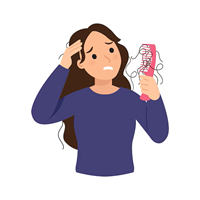
Dandruff is a common scalp condition that causes flaking of the skin on the scalp. It may also be associated with itching and dryness. Although dandruff is not a serious medical condition, it can be uncomfortable and may affect a person’s confidence and appearance.
Many people experience dandruff at some point in their lives. It can occur due to dryness, fungal growth, oily scalp, or sensitivity to hair products. Dandruff may vary in severity, from mild flakes to more persistent scaling.
With proper care, treatment, and lifestyle changes, dandruff can be managed effectively. Understanding its causes and symptoms helps in choosing the right treatment approach.
What is Dandruff?
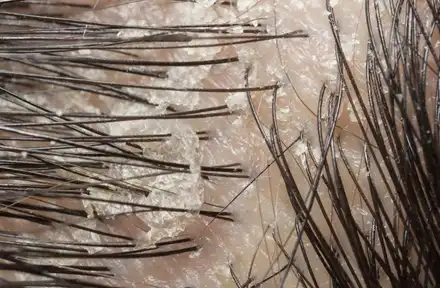
Dandruff is a condition in which the scalp sheds dead skin cells in the form of visible flakes. While shedding of skin cells is a normal process, in dandruff, this process becomes excessive.
The flakes may appear white or yellow and can be seen on the scalp, hair, and shoulders. Dandruff may also be accompanied by itching and irritation of the scalp.
It is important to note that dandruff is not contagious and does not usually cause serious health problems.
Causes of Dandruff
Dandruff can occur due to several factors.
- Dry Skin: Dry scalp is one of the most common causes of dandruff, especially in cold weather.
- Oily Scalp: Excess oil production may lead to buildup and flaking.
- Fungal Growth: A yeast-like fungus called Malassezia may contribute to dandruff.
- Poor Hair Hygiene: Irregular washing may lead to the accumulation of oil and dead skin.
- Sensitivity to Hair Products: Some people may react to shampoos, hair dyes, or styling products.
- Skin Conditions: Conditions such as seborrheic dermatitis, psoriasis, or eczema may cause dandruff-like symptoms.
Symptoms of Dandruff
Common symptoms include:
- White or yellow flakes on the scalp
- Itching of the scalp
- Dryness or oiliness of the scalp
- Redness or irritation
- Flakes on shoulders
Symptoms may worsen during winter or due to stress.
Types of Dandruff
Dandruff can be classified into different types.
- Dry Dandruff: Caused by dry scalp and characterized by small, white flakes.
- Oily Dandruff: Associated with excess oil production and larger, sticky flakes.
- Fungal Dandruff: Caused by fungal overgrowth and may be accompanied by itching and irritation.
Risk Factors
Certain factors increase the risk of dandruff.
- Oily skin
- Poor hygiene
- Stress
- Hormonal changes
- Cold weather
- Use of harsh hair products
Possible Complications
Although dandruff is not serious, it may lead to:
- Scalp Infection: Continuous scratching may cause infection.
- Hair Fall: Severe dandruff may contribute to hair fall.
- Skin Irritation: Persistent irritation may cause discomfort.
Diagnosis of Dandruff
Dandruff is usually diagnosed through:
- Physical Examination: The doctor examines the scalp.
- Medical History: Assessment of symptoms and lifestyle.
In most cases, no special tests are required.
Treatment of Dandruff
Treatment depends on the cause and severity.
- Regular Hair Washing: Maintaining scalp hygiene helps reduce flakes.
- Anti-Dandruff Shampoos: Medicated shampoos may help control dandruff.
- Avoid Harsh Products: Using mild products prevents irritation.
- Healthy Diet: Proper nutrition supports scalp health.
Homeopathic Treatment for Dandruff
Homeopathy offers a natural and holistic approach to treating dandruff by addressing the root cause rather than only controlling symptoms. It helps improve scalp health, reduce flaking, and prevent recurrence.
Homeopathic remedies are selected based on individual symptoms and scalp condition.
Common Homeopathic Remedies for Dandruff
- Sulphur – One of the most commonly used remedies for a dry, itchy scalp with a burning sensation.
- Natrum Muriaticum – Useful for dry scalp with white flakes and itching.
- Kali Sulphuricum – Helpful in yellow, sticky dandruff with scaling.
- Graphites – Used in cases with thick, sticky flakes and scalp irritation.
- Thuja Occidentalis – Beneficial for oily scalp with dandruff and itching.
Homeopathic treatment should be taken under the supervision of a qualified doctor for best results.
Lifestyle Tips for a Healthy Scalp
Healthy habits can help prevent dandruff.
- Maintain Hair Hygiene: Wash hair regularly with mild shampoo.
- Eat a balanced diet: Include vitamins and minerals for scalp health.
- Manage Stress: Stress may worsen dandruff.
- Avoid Excess Oil: Too much oil may aggravate dandruff.
- Stay Hydrated: Water supports skin health.
When to See a Doctor
Consult a doctor if:
- Dandruff persists despite treatment
- Severe itching or redness occurs
- Hair fall increases
- Signs of infection appear
Frequently Asked Questions (FAQs)
What is dandruff?
Dandruff is a scalp condition that causes flaking of the skin.
What causes dandruff?
It can be caused by dry skin, oily scalp, fungal infection, or sensitivity to products.
Is dandruff serious?
No, it is not serious, but it may cause discomfort.
Can dandruff be cured?
It can be effectively managed with proper treatment and care.
Can homeopathy help with dandruff?
Homeopathic treatment may help reduce dandruff and improve scalp health naturally.
Why choose Dr. Sanjay’s Homoeopathy for Dandruff Treatment in Lucknow, India?
Dr. Sanjay’s Homoeopathy is a trusted clinic for safe and effective Dandruff treatment in Lucknow, India. With more than 22 years of experience, Dr. Sanjay Singh, MD (Homoeopathy), provides specialized Dandruff homeopathy treatment that helps manage scalp flaking, itching, dryness, irritation, hair fall, and recurrent scalp infections naturally without side effects. As a leading homeopathic doctor in Lucknow, he follows international treatment standards and offers a personalized approach that focuses on balancing scalp health, reducing inflammation, controlling fungal growth, and preventing recurrence, making him the best homeopathy doctor for Dandruff in Lucknow. Patients from across India and around the world choose Dr. Sanjay’s Homoeopathy for its holistic healing, long-lasting relief, and compassionate care in managing scalp conditions like Dandruff.