Introduction
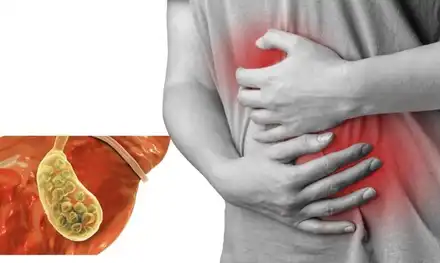
Bile duct stones are solid deposits that form in the bile ducts, which are the tubes responsible for carrying bile from the liver and gallbladder to the small intestine. Bile is a digestive fluid produced by the liver that helps break down fats during digestion. When substances in bile, such as cholesterol, bile salts, or bilirubin, become imbalanced, they may form stones.
Bile duct stones are sometimes called choledocholithiasis. These stones may form in the bile duct itself or may move into the bile duct from the gallbladder. When a stone blocks the bile duct, it can interfere with the normal flow of bile and lead to pain, infection, or digestive problems.
This condition can affect people of different age groups, although it is more common in adults who already have gallstones. Early diagnosis and proper treatment are important to prevent complications such as infections or inflammation of the pancreas.
Understanding the causes, symptoms, and treatment options for bile duct stones can help individuals recognize the condition early and seek appropriate medical care.
What are Bile Duct Stones?
Bile duct stones are hardened deposits that develop within the bile ducts. These ducts are part of the biliary system, which includes the liver, gallbladder, and bile ducts. The bile ducts carry bile from the liver and gallbladder to the small intestine, where it helps digest fats.
When a stone blocks the bile duct, bile cannot flow normally. This blockage may cause symptoms such as abdominal pain, jaundice, or infection.
Bile duct stones can occur in two ways:
- Stones formed in the gallbladder that move into the bile duct
- Stones that develop directly inside the bile duct
These stones vary in size and number. Some people may have a single stone, while others may have multiple stones.
Causes of Bile Duct Stones
Several factors may contribute to the formation of bile duct stones.
- Gallstones: The most common cause is gallstones that move from the gallbladder into the bile duct.
- Excess Cholesterol in Bile: When bile contains too much cholesterol, it may form crystals that develop into stones.
- Increased Bilirubin Levels: Conditions that increase bilirubin levels, such as liver diseases or blood disorders, may lead to stone formation.
- Infection in the Bile Ducts: Certain infections may increase the risk of stone formation.
- Poor Gallbladder Function: If the gallbladder does not empty properly, bile may become concentrated and form stones.
- Aging: The risk of bile duct stones increases with age.
Symptoms of Bile Duct Stones
Some people with bile duct stones may not notice symptoms initially. However, when a stone blocks the bile duct, symptoms may appear suddenly.
Common symptoms include:
- Pain in the upper right abdomen
- Pain that spreads to the back or shoulder
- Nausea and vomiting
- Fever and chills
- Yellowing of the skin and eyes (jaundice)
- Dark-colored urine
- Pale stools
- Loss of appetite
- Indigestion
Pain may occur suddenly and may last for several hours. Symptoms may worsen after eating fatty foods.
Risk Factors
Certain factors increase the likelihood of developing bile duct stones.
These include:
- History of gallstones
- Age above 40 years
- Obesity
- Rapid weight loss
- High-fat diet
- Liver diseases
- Family history of gallstones
Women may also have a slightly higher risk compared to men.
Possible Complications
If bile duct stones are not treated, they may lead to serious complications.
- Biliary Infection (Cholangitis): Blockage of the bile duct may lead to infection, causing fever, pain, and jaundice.
- Pancreatitis: If a stone blocks the pancreatic duct, it may cause inflammation of the pancreas.
- Liver Damage: Long-term blockage of bile flow may affect liver function.
- Severe Infection: Untreated infection may spread and become life-threatening in severe cases.
Early diagnosis and treatment help prevent these complications.
Diagnosis of Bile Duct Stones
Doctors use several methods to diagnose bile duct stones.
- Physical Examination: The doctor may examine the abdomen and ask about symptoms.
- Blood Tests: Blood tests may show signs of infection or liver problems.
- Ultrasound: Ultrasound imaging can help detect stones in the gallbladder or bile ducts.
- CT Scan: A CT scan may provide detailed images of the bile ducts and surrounding organs.
- MRCP (Magnetic Resonance Cholangiopancreatography): This specialized imaging test helps visualize the bile ducts clearly.
- ERCP (Endoscopic Retrograde Cholangiopancreatography): This procedure may be used to diagnose and remove bile duct stones.
Treatment of Bile Duct Stones
Treatment depends on the size and location of the stones and the severity of symptoms.
- Endoscopic Removal: ERCP is commonly used to remove stones from the bile duct.
- Medications: Certain medications may help manage symptoms or infection.
- Surgery: In some cases, surgery may be required to remove stones or the gallbladder.
- Supportive Care: Pain management and treatment of infections may also be necessary.
Homeopathic Treatment for Bile Duct Stones
Homeopathy offers a holistic approach to managing digestive and liver-related conditions. Homeopathic treatment focuses on the overall health of the patient and aims to support the body’s natural healing process.
Homeopathic medicines are selected according to the individual symptoms, physical constitution, and medical history of the patient. These remedies may help improve digestive function, support liver health, and reduce symptoms associated with bile duct disorders.
Many individuals choose homeopathic treatment because it emphasizes gentle and personalized care. However, it is important that treatment is guided by a qualified homeopathic doctor to ensure proper diagnosis and appropriate remedy selection.
Homeopathic Remedies for Bile Duct Stones
Below are some commonly used homeopathic remedies that may be considered in cases related to bile duct stones and biliary disorders.
- Chelidonium Majus: Chelidonium is one of the most commonly used homeopathic medicines for liver and gallbladder disorders. It is often considered when there is pain in the right upper abdomen that may spread to the back or right shoulder blade. People who benefit from this remedy may also experience digestive discomfort, nausea, or yellow discoloration of the skin due to liver or bile duct problems.
- Lycopodium Clavatum: Lycopodium may be helpful for individuals who suffer from bloating, gas, and digestive discomfort along with gallbladder or bile duct issues. Symptoms may include fullness in the abdomen, especially after eating small amounts of food, and worsening of symptoms in the evening.
- Nux Vomica: Nux Vomica is frequently used for digestive problems associated with an unhealthy lifestyle, overeating, or excessive consumption of spicy foods, coffee, or alcohol. People needing this remedy may experience abdominal discomfort, nausea, and indigestion related to gallbladder or liver dysfunction.
- Berberis Vulgaris: Berberis Vulgaris is commonly considered for pain related to the liver and gallbladder area. The pain may be sharp or radiating and may worsen with movement. This remedy may also be useful when digestive disturbances and discomfort in the right side of the abdomen are present.
- Carduus Marianus: Carduus Marianus is often used in homeopathy for liver and gallbladder conditions. It may help individuals who experience liver congestion, digestive weakness, or discomfort in the right side of the abdomen. Symptoms may include nausea, bloating, and intolerance to fatty foods.
- Cholesterinum: Cholesterinum is sometimes considered when there is a tendency toward cholesterol-related gallbladder or bile duct problems. It may be used in cases where digestive discomfort and bile imbalance are present.
- China Officinalis: China may be useful when there is weakness, bloating, and digestive disturbances after illness or fluid loss. It may help improve digestive strength and reduce abdominal discomfort.
Lifestyle Tips to Maintain Bile Duct Health
Healthy lifestyle habits may help support digestive health and reduce the risk of stone formation.
- Maintain Healthy Weight: Maintaining a healthy body weight reduces the risk of gallstones and bile duct stones.
- Eat a balanced diet: Consume a balanced diet rich in fruits, vegetables, and whole grains.
- Limit Fatty Foods: Reducing high-fat foods may help improve digestive health.
- Stay Hydrated: Drinking enough water supports healthy digestion.
- Exercise Regularly: Physical activity helps maintain overall digestive health.
- Avoid Rapid Weight Loss: Gradual weight loss is healthier and may reduce the risk of stone formation.
When to See a Doctor
Medical attention should be sought if:
- Severe abdominal pain occurs suddenly
- Jaundice develops
- Fever and chills occur with abdominal pain
- Persistent nausea and vomiting occur
These symptoms may indicate a blockage or an infection that requires immediate medical care.
Frequently Asked Questions (FAQs)
What causes bile duct stones?
Bile duct stones are commonly caused by gallstones that move from the gallbladder into the bile duct.
Are bile duct stones dangerous?
They can become serious if they block bile flow and cause infection or inflammation.
Can bile duct stones cause jaundice?
Yes, blockage of the bile duct can lead to yellowing of the skin and eyes.
How are bile duct stones treated?
Treatment may include endoscopic removal, medication, or surgery depending on the severity.
Can homeopathy help with bile duct stones?
Homeopathic treatment may support digestive and liver health when prescribed according to individual symptoms.
Why choose Dr. Sanjay’s Homoeopathy for Bile Duct Stones Treatment in Lucknow, India?
Dr. Sanjay’s Homoeopathy is a trusted clinic for safe and effective Bile Duct Stones treatment in Lucknow, India. With more than 22 years of experience, Dr. Sanjay Singh, MD (Homoeopathy), provides specialized Bile Duct Stones homeopathy treatment that helps manage abdominal pain, jaundice, nausea, digestive discomfort, bile flow obstruction, and inflammation naturally without side effects. As a leading homeopathic doctor in Lucknow, he follows international treatment standards and offers a personalized approach that focuses on improving bile flow, supporting liver and gallbladder function, reducing stone-related symptoms, and preventing recurrence, making him the best homeopathic doctor for Bile Duct Stones in Lucknow. Patients from across India and around the world choose Dr. Sanjay’s Homoeopathy for its holistic healing, long-lasting relief, and compassionate care in managing hepatobiliary conditions like Bile Duct Stones.