What is Deviated Nasal Septum (DNS)?
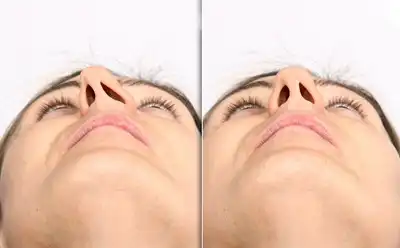
A Deviated Nasal Septum, commonly known as DNS, is a condition in which the nasal septum is displaced from its normal central position. The nasal septum is the thin wall made of cartilage and bone that divides the nose into two nostrils.
In a normal nose, the septum lies in the middle, allowing equal airflow through both nostrils. In DNS, the septum bends to one side, making one nasal passage smaller than the other. This can disturb normal breathing and cause various nasal and sinus problems.
Many people have a mild deviation and do not notice any symptoms. However, moderate to severe DNS can significantly affect daily life.
How common is a Deviated Nasal Septum?
DNS is very common. Studies show that nearly 70–80% of people have some degree of septal deviation. Only a small percentage develop symptoms severe enough to require medical attention.
Why does a Deviated Nasal Septum occur?
A deviated nasal septum can be present from birth or develop later in life.
- Congenital DNS
Some people are born with a deviated septum due to:
- Abnormal facial development
- Pressure in the womb
- Birth injury
- Acquired DNS
This develops later due to:
- Nose injury or trauma
- Sports accidents
- Road accidents
- Falls
- Repeated minor nasal injuries
Even a small injury during childhood can slowly cause deviation over time.
How does DNS affect breathing?
When the septum is deviated:
- One nasal passage becomes narrow
- Airflow becomes restricted
- Breathing through the nose becomes difficult
- The person starts breathing through the mouth
Chronic mouth breathing can further lead to throat dryness, snoring, and poor sleep quality.
Common Symptoms of Deviated Nasal Septum
Symptoms depend on the severity of deviation.
Nasal Symptoms
- Blocked nose (usually one-sided)
- Difficulty breathing through one nostril
- Nasal congestion without a cold
- Frequent nasal discharge
Sinus-Related Symptoms
- Recurrent sinus infections
- Facial pain or pressure
- Headache
- Post-nasal drip
Sleep-Related Symptoms
- Snoring
- Disturbed sleep
- Mouth breathing during sleep
- Daytime fatigue
Other Symptoms
- Frequent nosebleeds
- Dryness inside the nose
- Reduced sense of smell
- Ear blockage sensation
DNS and Sinusitis – What is the connection?
A deviated septum can block normal sinus drainage, leading to mucus buildup. This creates an ideal environment for infections.
Because of this, people with DNS often suffer from:
- Chronic sinusitis
- Repeated colds
- Long-lasting nasal congestion
Is a Deviated Nasal Septum serious?
DNS is not life-threatening, but if untreated, it can cause:
- Chronic nasal blockage
- Recurrent sinus infections
- Sleep problems
- Reduced quality of life
Severe cases may require surgical correction, but not all cases need surgery.
How is a deviated nasal septum diagnosed?
Diagnosis is usually done by an ENT specialist through:
- Medical history
- Physical nasal examination
- Anterior rhinoscopy
- Nasal endoscopy
- CT scan (if sinus involvement is suspected)
Diagnosis helps determine severity and treatment options.
Conventional medical management of DNS
Treatment depends on symptom severity.
Non-Surgical Treatment
- Nasal sprays
- Anti-allergy medicines
- Decongestants
- Steam inhalation
These methods provide temporary relief but do not correct the deviation.
Surgical Treatment (Septoplasty)
In severe cases, surgery may be advised to straighten the septum.
Surgery:
- Improves airflow
- Reduces sinus infections
- Helps breathing
However, surgery may not be suitable for everyone and involves cost, recovery time, and risks.
Role of Lifestyle in DNS Symptoms
Lifestyle changes can reduce symptom severity:
- Avoid allergens
- Protect the nose from injury
- Maintain nasal hygiene
- Use a humidifier in dry weather
- Stay hydrated
Homeopathic Treatment for Deviated Nasal Septum in Lucknow
Homeopathy offers an effective, gentle, and holistic approach for managing symptoms related to Deviated Nasal Septum. Homeopathic treatment does not physically straighten the nasal septum, but it helps reduce inflammation, congestion, sinus infections, and associated discomfort.
Homeopathic care may help in:
- Reducing nasal blockage
- Managing chronic sinusitis
- Decreasing frequency of infections
- Improving breathing comfort
- Reducing headache and facial pain
- Supporting immunity
Treatment is individualised, based on:
- Symptom pattern
- Side of nasal blockage
- Frequency of sinus infections
- Allergy history
- Overall physical constitution
Common Homeopathic Medicines Used
(Prescribed only after proper medical evaluation)
- Kali Bichromicum – Thick nasal discharge and sinus pain
- Hydrastis – Chronic nasal congestion
- Sanguinaria – Right-sided nasal blockage and headache
- Lemna Minor – Nasal obstruction with sinus issues
- Pulsatilla – Blocked nose changing sides
Benefits of Homeopathic Support
- Natural and non-toxic
- Safe for long-term use
- Reduces symptom frequency
- Improves nasal comfort
- Supports sinus health
- Enhances quality of life
DNS in Children
Children with DNS may show:
- Mouth breathing
- Snoring
- Recurrent colds
- Poor sleep
Early supportive care can help prevent complications related to breathing and sinus health.
DNS and Snoring
DNS is a common cause of snoring due to blocked nasal airflow. Managing nasal obstruction often improves snoring and sleep quality.
Can a Deviated Nasal Septum be prevented?
Congenital DNS cannot be prevented, but acquired DNS risk can be reduced by:
- Protecting the nose during sports
- Wearing helmets
- Treating nasal injuries early
Frequently Asked Questions
Is DNS curable without surgery?
Structural deviation cannot be corrected without surgery, but symptoms can be managed effectively.
Does everyone with DNS need surgery?
No. Many people manage well with supportive treatment.
Can homeopathy straighten the septum?
Homeopathy helps manage symptoms but does not physically correct the septum.
Is DNS dangerous?
It is not dangerous but can cause chronic discomfort if untreated.
Why choose Dr. Sanjay’s Homoeopathy for Deviated Nasal Septum Treatment in Lucknow, India?
Dr. Sanjay’s Homoeopathy is a trusted clinic for safe and effective Deviated Nasal Septum treatment in Lucknow, India. With more than 22 years of experience, Dr. Sanjay Singh, MD (Homoeopathy), provides specialized homeopathy treatment that helps manage nasal blockage, breathing difficulty, recurrent sinus infections, headaches, snoring, and dryness naturally without side effects. As a leading homeopathic doctor in Lucknow, he follows international treatment standards and offers a personalized approach that focuses on reducing nasal inflammation, improving airflow, relieving associated symptoms, and preventing recurrent complications, making him the best homeopathy doctor for Deviated Nasal Septum in Lucknow. Patients from across India and around the world choose Dr. Sanjay’s Homoeopathy for its holistic healing, long-lasting relief, and compassionate care in managing ENT conditions like Deviated Nasal Septum.