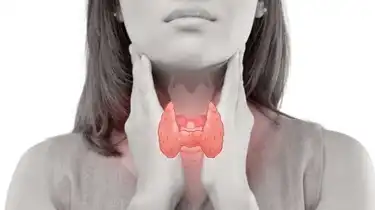
What is Thyroid Disorder?
Thyroid Disorder refers to any condition that affects the thyroid gland — a small, butterfly-shaped gland in the front of the neck. The thyroid produces hormones (T3 and T4) that control metabolism, energy, body temperature, weight, heart rate, and many other body functions.
When the thyroid produces too much hormone (Hyperthyroidism) or too little hormone (Hypothyroidism), it leads to hormonal imbalance and various health problems. Thyroid disorders are common, especially among women, and may be caused by autoimmune diseases, stress, iodine imbalance, genetics, or inflammation of the gland. Early diagnosis and proper treatment help restore balance and improve overall health.
What are the common symptoms of Thyroid Disorder?
Symptoms depend on whether the thyroid is underactive or overactive.
Symptoms of Hypothyroidism (Underactive Thyroid)
- Fatigue, low energy, or sleepiness
- Weight gain or difficulty losing weight
- Dry skin and hair fall
- Feeling colder than others
- Slow heartbeat
- Constipation
- Puffiness of the face or swelling of the feet
- Depression, low mood, or brain fog
- Muscle cramps or weakness
- Irregular or heavy menstrual periods in women
Symptoms of Hyperthyroidism (Overactive Thyroid)
- Unexplained weight loss despite a good appetite
- Fast or irregular heartbeat (palpitations)
- Heat intolerance and excessive sweating
- Nervousness, anxiety, or irritability
- Tremors in hands
- Frequent bowel movements or loose stools
- Difficulty sleeping (insomnia)
- Bulging eyes (in Graves’ disease)
- Muscle weakness and tiredness
Types of Thyroid Disorder
Thyroid disorders can be broadly divided into:
- Hypothyroidism: The thyroid does not produce enough hormones. Commonly seen in Hashimoto’s thyroiditis, iodine deficiency, or after thyroid surgery or radiation.
- Hyperthyroidism: The thyroid produces excess hormones. Often due to Graves’ disease, toxic nodules, or thyroiditis.
- Goitre: Enlargement of the thyroid gland, which can occur in both hypo- and hyperthyroidism or due to iodine deficiency.
- Thyroid Nodules: Lumps in the thyroid that may be benign or, rarely, cancerous. They may or may not affect hormone levels.
- Thyroiditis: Inflammation of the thyroid gland (like Hashimoto’s or postpartum thyroiditis), which may cause temporary hyperthyroidism followed by hypothyroidism.
- Thyroid Cancer: Abnormal growth of cells in the thyroid gland. Usually presents as a painless thyroid nodule and requires specialist care.
What causes Thyroid disorders?
Thyroid disorders can arise due to different reasons affecting gland function. Common causes include:
- Autoimmune diseases:
Hashimoto’s thyroiditis (hypothyroidism) and Graves’ disease (hyperthyroidism) - Iodine deficiency or excess:
Affects hormone production and can lead to goitre - Genetics:
Family history of thyroid issues - Hormonal imbalance and stress
- Thyroid inflammation (thyroiditis)
- Pregnancy and postpartum changes
- Medications:
Certain drugs like amiodarone, lithium, or excessive thyroid hormone intake - Radiation or thyroid surgery
Who is at risk of developing Thyroid disorders?
You may be at higher risk if you:
- Are female
- Are above 30–35 years of age
- Have a family history of thyroid disorders
- Have other autoimmune diseases (like type 1 diabetes, vitiligo, rheumatoid arthritis)
- Are you pregnant, postpartum, or nearing menopause
- Have high stress levels or a poor lifestyle
- Have an iodine imbalance in the diet
- Have had neck radiation or thyroid surgery
Is Thyroid Disorder a serious condition?
If not treated, thyroid disorders can lead to serious complications such as:
- Heart disease (arrhythmia, high cholesterol, heart failure)
- Infertility or menstrual irregularities
- Miscarriage or pregnancy complications
- Nerve and muscle problems
- Severe fatigue and mood issues
- Myxedema coma (in very severe, untreated hypothyroidism)
- Thyroid storm (in severe hyperthyroidism)
With proper diagnosis and treatment, most people can live a normal, healthy life.
How is Thyroid Disorder diagnosed?
Diagnosis includes clinical examination and lab tests, like:
- Blood tests:
- TSH (Thyroid Stimulating Hormone)
- Free T3 and Free T4
- Anti-TPO and Anti-Tg antibodies (for autoimmune thyroid disease)
- Ultrasound of the thyroid:
To see gland size, texture, nodules, or cysts - Radioactive iodine uptake scan:
For hyperthyroidism evaluation - Fine Needle Aspiration (FNA):
For suspicious nodules (to rule out cancer)
How is Thyroid Disorder treated?
Treatment depends on the type of thyroid disorder.
Conventional Medical Treatment
For Hypothyroidism:
- Thyroid hormone replacement tablets
- Lifelong medication with regular TSH monitoring
For Hyperthyroidism:
- Antithyroid medicines to reduce hormone production
- Beta-blockers for palpitations
- Radioactive iodine therapy (in some cases)
- Surgery (thyroidectomy) in selected cases
For Nodules or Cancer:
- Surgery, radioactive iodine, or other specialist treatments as needed
Lifestyle management includes a balanced diet, stress control, exercise, and regular follow-up.
How is Thyroid Disorder treated through Homoeopathy?
Homoeopathy offers a gentle, holistic approach aimed at regulating thyroid function, balancing hormones, improving energy levels, and reducing associated symptoms like hair fall, weight changes, mood disturbances, and menstrual issues.
Individualized Approach
At Dr. Sanjay’s Homoeopathy, treatment is personalized based on whether the thyroid is overactive or underactive, along with associated complaints like anxiety, depression, weight changes, or fatigue. Remedies aim to support the thyroid gland, harmonize the immune system (especially in autoimmune cases), and restore overall balance.
Commonly Used Homoeopathic Medicines for Thyroid Disorder
For Hypothyroidism:
- Calcarea Carbonica: For weight gain, cold intolerance, and tiredness
- Graphites: For dry skin, constipation, and hair fall
- Sepia: For hormonal imbalance, irritability, and irregular menses
- Lycopodium: For digestive issues, gas, and low energy
For Hyperthyroidism:
- Iodum: For weight loss, heat intolerance, and restlessness
- Natrum Muriaticum: For emotional sensitivity, palpitations, and weakness
- Phosphorus: For anxiety, trembling, and easy fatigue
- Spongia Tosta: For thyroid enlargement with palpitations
(Medicines are selected based on individual symptoms, not only the diagnosis.)
Benefits of Homoeopathic Treatment
- Helps normalize thyroid function gradually
- Reduces fatigue, hair fall, mood swings, and weight fluctuations
- Safe, non-hormonal, and non-addictive
- Supports immunity in autoimmune thyroid conditions
- Suitable for long-term use without side effects
- Improves overall metabolism and well-being
Home Remedies and Lifestyle Tips for Thyroid Disorder
- Eat a balanced diet with fresh fruits, vegetables, whole grains, and proteins
- Use iodized salt in moderation (unless advised otherwise)
- Include selenium-rich foods (nuts, seeds, eggs, fish)
- Avoid excessive junk food, sugar, and refined flour
- Practice yoga, pranayama, and meditation to manage stress
- Maintain regular exercise (walking, stretching, light workouts)
- Sleep 7–8 hours daily
- Avoid smoking and alcohol
- Get thyroid levels checked regularly as advised
Can Thyroid disorders be prevented?
Genetic and autoimmune thyroid disorders cannot always be prevented, but risk and severity can be reduced by:
- Managing stress
- Maintaining a healthy lifestyle and weight
- Correcting iodine deficiency or excess
- Treating infections and autoimmune issues early
- Regular monitoring if you have a family history
Why choose Dr. Sanjay’s Homoeopathy for Thyroid Treatment in Lucknow, India?
Dr. Sanjay’s Homoeopathy is a trusted clinic for safe and effective Thyroid Disorder treatment in Lucknow, India. With years of expertise, Dr Sanjay provides specialised homeopathic treatment that helps manage symptoms such as fatigue, weight changes, hair fall, mood disturbances, menstrual irregularities, and hormonal imbalances naturally, without side effects. As a leading homeopathic doctor in Lucknow, he follows international treatment standards and offers personalised care that focuses on regulating thyroid function, improving metabolism, balancing hormones, and enhancing overall well-being. Patients choose Dr. Sanjay’s Homoeopathy for its holistic healing, long-lasting relief, and compassionate approach in managing conditions like Hypothyroidism and Hyperthyroidism.
Patients from across the world trust Dr. Sanjay’s Homoeopathy for Thyroid Disorder Treatment in Lucknow, India. Dr Sanjay Singh, who successfully led this clinic, treats thousands of patients with Thyroid Disorders, making him the best doctor for thyroid treatment in Lucknow.