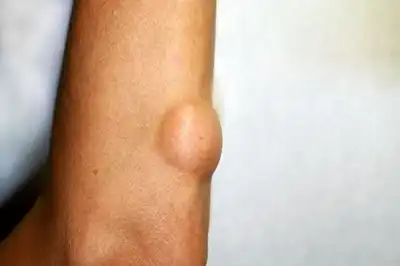
What is a Lipoma?
A Lipoma is a benign (non-cancerous) growth made of soft, fatty tissue that develops just under the skin. It feels soft, rubbery, and can be moved easily when touched. Lipomas grow slowly and are usually painless, but they may cause discomfort if they press on nearby nerves or tissues. They commonly appear on the neck, shoulders, back, abdomen, arms, and thighs. Although lipomas are harmless, some people seek treatment due to cosmetic concerns, rapid growth, or discomfort. Early evaluation helps rule out rare but serious conditions and ensures proper management.
What are the common symptoms of a Lipoma?
A lipoma may show the following signs:
- Soft, movable lump under the skin
- Round or oval-shaped swelling
- Usually painless, but may hurt if pressing on nerves
- Slow and steady growth over months or years
- Size ranging from small (pea-sized) to large (several centimetres)
- Normal skin colour over the lump
- Single or multiple lumps on the body
In some cases, multiple lipomas may occur due to hereditary factors.
What causes a Lipoma?
The exact cause of lipomas is not fully understood, but several factors increase the risk. Common causes include:
- Genetic tendency or family history
- Minor injuries to the area (may trigger growth)
- Obesity or metabolic issues
- Hormonal imbalance
- Increasing age (more common in 40–60 years)
- Medical conditions like lipomatosis
- Alcohol or liver disorders (in rare cases)
Lipomas are not caused by infections or cancer and do not spread to other parts of the body.
Who is at risk of developing a Lipoma?
You may be at higher risk if you:
- Have a family history of lipomas
- Are between 30–60 years old
- Have high cholesterol or obesity
- Suffer from diabetes
- Have had multiple lipomas in the past
- Have certain genetic conditions like familial multiple lipomatosis
- Experienced trauma or injury to soft tissues
Is a Lipoma a serious condition?
Most lipomas are harmless and non-threatening. However, they may cause cosmetic concerns, discomfort, or pain if they grow large or press against nerves. Rarely, rapid-growing or painful lumps may require evaluation to rule out liposarcoma (a cancerous condition), though this is extremely uncommon. Timely assessment ensures proper treatment and peace of mind.
How is a Lipoma diagnosed?
Diagnosis typically involves:
- Physical examination: Checking the size, shape, and texture
- Ultrasound: To confirm fatty tissue composition
- MRI or CT scan: In large or deep-seated lipomas
- Biopsy: Rarely needed, only if growth is unusual or painful
Most lipomas are diagnosed clinically without invasive testing.
How is a Lipoma treated?
Treatment depends on the size, location, and symptoms.
Conventional Medical Treatment
- Observation: Small, painless lipomas are often left untreated
- Steroid injections: To shrink the lump slightly
- Surgical removal: For large, painful, or cosmetically concerning lipomas
- Liposuction: To remove soft fatty tissue
Surgical removal is effective but may cause scarring or recurrence in some cases.
How is a Lipoma treated through homeopathy?
Homoeopathy offers a gentle, non-surgical, and safe approach to managing lipomas. The goal is to regulate fat metabolism, shrink the fatty lump, slow its growth, and prevent the formation of new lipomas. Homeopathy also helps improve overall health and metabolism.
Individualized Approach
At Dr. Sanjay’s Homoeopathy, treatment is customized based on lipoma size, number of lumps, growth rate, family history, and overall health. Remedies aim to dissolve fatty deposits naturally and restore balance in the body.
Commonly Used Homoeopathic Medicines for Lipoma
- Calcarea Carbonica: For soft, fatty lumps in overweight or sluggish individuals
- Thuja Occidentalis: For multiple lipomas and slow-growing fatty tumors
- Phytolacca Decandra: For firm, painful lipomas
- Silicea: For lipomas with recurrent infections or slow healing
- Sulphur: For individuals with metabolic imbalance or recurring lumps
Benefits of Homoeopathic Treatment for Lipoma
- Helps shrink lipomas naturally
- Prevents the formation of new lumps
- Improves fat metabolism and overall health
- Non-surgical, painless, and safe
- No scarring or side effects
- Suitable for long-term use
Home Remedies and Lifestyle Tips for Lipoma
- Maintain a healthy weight
- Follow a balanced diet rich in vegetables and antioxidants
- Limit oily, fried, and processed foods
- Exercise regularly to improve metabolism
- Reduce sugar and alcohol intake
- Stay hydrated
- Include omega-3 fatty acids for better fat regulation
- Avoid pressing or rubbing the lump
Can Lipomas be prevented?
While genetic lipomas cannot be fully prevented, maintaining a healthy lifestyle, controlling weight, improving metabolism, and avoiding toxin buildup may reduce the chances of developing new lipomas.
Why choose Dr. Sanjay’s Homoeopathy for Lipoma Treatment in Lucknow, India?
Dr. Sanjay’s Homoeopathy is a trusted clinic for safe and effective Lipoma treatment in Lucknow, India. With years of expertise, Dr. Sanjay provides specialised homeopathy treatment that helps manage soft, movable fatty lumps, swelling, tenderness, cosmetic concerns, and multiple lipomas naturally without side effects. As a leading homeopathic doctor for Lipoma treatment in Lucknow, he follows international treatment standards and offers personalised care that focuses on reducing lipoma size, preventing new lump formation, and improving overall metabolic balance. Patients choose Dr. Sanjay’s Homoeopathy for its holistic healing, long-lasting relief, and compassionate approach in managing benign growth conditions like Lipoma.
Patients from across the world trust Dr. Sanjay’s Homoeopathy for Lipoma Treatment in Lucknow, India. Dr. Sanjay Singh successfully treats thousands of patients with Lipoma issues in Lucknow, which makes him the best doctor for Lipoma treatment in India.