What is Skin Cancer?
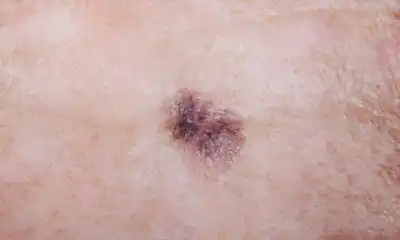
Skin Cancer is an abnormal and uncontrolled growth of skin cells that develops when the skin is exposed to harmful UV rays from the sun or tanning devices. In this condition, skin cells mutate and multiply rapidly, forming tumors that may appear as unusual spots, sores, or growths on the skin.
The most common types include basal cell carcinoma, squamous cell carcinoma, and melanoma. Skin cancer can appear anywhere on the body, but it is more common in sun-exposed areas. Early detection and timely treatment significantly increase the chances of full recovery.
What are the common symptoms of Skin Cancer?
Symptoms may vary based on the type of skin cancer, but common signs include:
- A new growth or mole
- A sore that does not heal
- A spot that bleeds, itches, or becomes painful
- Changes in the color, size, or shape of an existing mole
- A shiny, pearly bump
- A rough, scaly patch
- Dark lesions on hands, feet, face, or mucous membranes
If ignored, skin cancer may spread to deeper tissues or other organs.
What causes Skin Cancer?
Skin Cancer develops due to DNA damage in skin cells. Common causes include:
- Prolonged exposure to UV rays from the sun
- Use of tanning beds
- Weak immune system
- Exposure to harmful chemicals
- Genetic factors
- Previous history of skin cancer
- Radiation exposure
Who is at risk of developing Skin Cancer?
You may be at higher risk if you:
- Spend long hours in the sun
- Have fair skin or light eyes
- Have a family history of skin cancer
- Have multiple moles
- Are over 50 years of age
- Have a weakened immune system
- Use tanning devices regularly
Is Skin Cancer a serious condition?
Yes, skin cancer can become serious if not treated early. While basal and squamous cell carcinomas grow slowly, melanoma can spread rapidly and become life-threatening. Early diagnosis leads to highly successful outcomes, making awareness and timely treatment essential.
How is Skin Cancer diagnosed?
Diagnosis requires clinical evaluation and tests such as:
- Skin examination: To inspect suspicious moles or lesions
- Dermatoscopy: To analyze deeper skin patterns
- Biopsy: To confirm the presence and type of cancer
- Imaging tests (if needed): To check for spread in advanced cases
How is Skin Cancer treated?
Treatment depends on the type and severity.
Conventional Medical Treatment
- Surgical removal of cancerous tissue
- Cryotherapy to freeze small lesions
- Topical chemotherapy or immunotherapy creams
- Radiation therapy in select cases
- Targeted therapy for advanced melanoma
How is Skin Cancer treated through Homeopathy?
Homoeopathy offers gentle support for managing symptoms, improving immunity, and enhancing skin healing. It helps reduce inflammation, supports healthy skin regeneration, and aids recovery, especially in early-stage cases or after conventional treatment. The aim is to improve overall vitality and boost the body’s natural ability to repair tissues.
Individualized Approach
At Dr. Sanjay’s Homoeopathy, treatment is customised based on the type of lesion, symptoms, patient history, and overall constitution to support skin healing and immune balance.
Commonly Used Homoeopathic Medicines for Skin Cancer
- Thuja Occidentalis: For abnormal skin growths and warts
- Arsenicum Album: For burning, itching, and ulcerated skin lesions
- Calcarea Carbonica: For slow-growing lumps and weak immunity
- Sulphur: For chronic skin conditions with itching and redness
- Graphites: For thickened, rough, or scaly skin patches
Benefits of Homeopathic Treatment
- Supports natural tissue healing
- Improves immunity and reduces recurrence
- Helps soothe itching, irritation, and discomfort
- Safe, gentle, and free from side effects
- Complements conventional therapy effectively
Home Remedies and Lifestyle Tips for Skin Cancer
- Avoid excessive sun exposure
- Use sunscreen (SPF 30 or above)
- Wear protective clothing
- Avoid tanning beds
- Eat antioxidant-rich foods
- Keep skin hydrated
- Regularly check moles and spots
- Seek medical help if you notice changes
Can Skin Cancer be prevented?
Yes, many cases can be prevented by protecting the skin from UV rays, avoiding tanning devices, maintaining good immunity, and monitoring skin regularly. Early detection is key to avoiding serious complications.
Why choose Dr. Sanjay’s Homoeopathy for Skin Cancer Treatment in Lucknow, India?
Dr. Sanjay’s Homoeopathy is a trusted clinic for the Best Skin Cancer treatment in Lucknow, India. With more than two decades of expertise, Dr. Sanjay provides specialized homeopathy treatment that helps manage skin lesions, abnormal growths, itching, burning, non-healing sores, and pigmentation changes naturally without side effects. As a leading homeopathic doctor for Skin Cancer Treatment in Lucknow, he follows international treatment standards. He offers personalized care that focuses on targeting abnormal cell activity, boosting immunity, improving skin healing, and supporting overall health. Patients choose Dr. Sanjay’s Homoeopathy for its holistic healing, long-lasting relief, and compassionate approach in managing complex conditions like Skin Cancer.
Patients from across the world trust Dr. Sanjay’s Homeopathy for Skin Cancer Treatment in Lucknow, India. Dr. Sanjay Singh successfully treats thousands of Patients with Skin Cancer in Lucknow.