What is Schizophrenia?
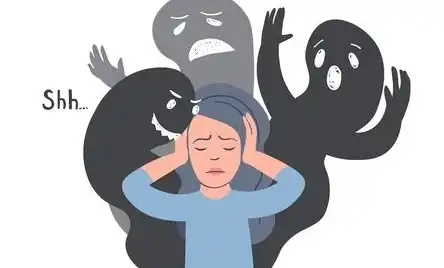
Schizophrenia is a long-term mental health disorder that affects how a person thinks, feels, and behaves. People with this condition may find it difficult to distinguish between reality and imagination. It often causes confusion, disorganized thoughts, hallucinations (seeing or hearing things that are not real), and social withdrawal.
It usually develops in late adolescence or early adulthood and affects both men and women. Although schizophrenia is a serious condition, it can be managed effectively with timely diagnosis and proper treatment. Early care helps individuals lead a balanced and productive life.
What are the common symptoms of Schizophrenia?
Symptoms can vary from person to person and may develop gradually. Common signs include:
- Hearing voices or seeing things that others don’t (hallucinations)
- Believing false ideas or having fixed wrong beliefs (delusions)
- Disorganized or confused speech
- Difficulty concentrating or remembering things
- Lack of emotion or facial expression
- Social withdrawal and avoiding people
- Neglect of personal hygiene and daily activities
- Difficulty in making decisions or following routines
In some cases, symptoms may come and go in episodes, especially during stressful situations.
What causes Schizophrenia?
The exact cause of schizophrenia is not known, but several factors can increase the risk:
- Genetic factors: Family history of mental illness may raise the risk.
- Brain chemistry: Imbalance in neurotransmitters like dopamine and serotonin can affect mood and thinking.
- Stressful life events: Emotional trauma, abuse, or loss can trigger symptoms.
- Drug abuse: Long-term use of drugs like cannabis or hallucinogens may worsen the condition.
- Environmental factors: Viral infections during pregnancy or birth complications can contribute in some cases.
Types of Schizophrenia
Although modern psychiatry now views schizophrenia as a spectrum, traditionally it was divided into several types based on symptoms:
- Paranoid Schizophrenia: Dominated by hallucinations and delusions.
- Disorganized Schizophrenia: Involves disorganized thoughts, speech, and behavior.
- Catatonic Schizophrenia: Characterized by abnormal movements or extreme lack of movement.
- Residual Schizophrenia: When symptoms are milder or remain after a severe episode.
- Undifferentiated Schizophrenia: When symptoms don’t fit into a specific category.
Who is at risk of developing Schizophrenia?
Schizophrenia can affect anyone, but certain people are at higher risk:
- Those with a family history of schizophrenia or psychosis
- People exposed to high stress or trauma
- Individuals using psychoactive drugs or alcohol
- Those with imbalanced sleep or irregular lifestyles
- People with weak emotional support or isolation
Is Schizophrenia a serious condition?
Yes, schizophrenia is a serious mental health condition, but it is treatable. With proper care and continuous support, many individuals can recover significantly and live fulfilling lives. Without treatment, it can lead to complications such as:
- Severe depression or anxiety
- Social isolation or unemployment
- Relationship issues or family conflict
- Substance abuse
- Risk of self-harm or suicidal thoughts
Early diagnosis and a supportive environment are key to better recovery outcomes.
How is Schizophrenia diagnosed?
Diagnosis is made through a detailed evaluation by a psychiatrist or mental health professional. The process may include:
- Medical and psychiatric history: To understand symptoms and duration.
- Mental status examination: To assess thoughts, speech, emotions, and behavior.
- Lab tests: To rule out other medical causes or substance-related issues.
- Family input: Observations from close family members or caregivers help confirm the pattern of behavior.
How is Schizophrenia treated?
Treatment aims to reduce symptoms, prevent relapses, and help the person function independently.
- Medical and Psychological Treatment
- Medication: Antipsychotic drugs help control hallucinations and delusions.
- Therapy: Cognitive-behavioral therapy (CBT) helps manage stress and negative thoughts.
- Support programs: Social skills training, group therapy, and counseling can improve recovery.
- Lifestyle management: Regular sleep, a balanced diet, and avoiding drugs or alcohol are crucial.
How is Schizophrenia treated through Homoeopathy?
Homeopathy offers a gentle and holistic approach to schizophrenia by addressing both the mental and emotional imbalances behind the condition. Rather than only suppressing symptoms, it helps stabilize mood, reduce anxiety, and restore mental calmness.
- Individualized Approach
Each person’s emotional triggers, fears, behavior patterns, and family history are considered before prescribing medicines. The treatment focuses on improving emotional resilience, sleep, and focus while reducing dependence on long-term medications.
- Commonly Used Homoeopathic Medicines for Schizophrenia
- Stramonium: For extreme fear, restlessness, or hallucinations.
- Hyoscyamus Niger: For suspicion, jealousy, and disordered speech.
- Lachesis: For talkativeness, overthinking, and sensitivity to emotions.
- Belladonna: For acute episodes with agitation and confusion.
- Anacardium Orientale: For forgetfulness, indecision, and feeling of being controlled.
- Benefits of Homeopathic Treatment
- Reduces anxiety, fear, and hallucinations naturally
- Improves sleep and concentration
- Helps stabilize emotions and control mood swings
- Safe and non-addictive, without harmful side effects
- Supports overall mental and emotional wellness
Home Remedies and Supportive Care for Schizophrenia
Along with treatment, lifestyle care can make a big difference:
- Maintain a regular routine and sleep schedule
- Practice relaxation techniques like meditation or yoga
- Eat a balanced diet rich in omega-3 fatty acids and fresh fruits
- Avoid alcohol, caffeine, and recreational drugs
- Build emotional support through family and therapy groups
Can Schizophrenia be prevented?
While schizophrenia cannot always be prevented, early awareness and care can delay or reduce its intensity. Regular mental health checkups, managing stress, and avoiding substance abuse play a major role in prevention.
Schizophrenia is a serious but manageable condition that affects thinking, emotions, and behavior. With early diagnosis, emotional support, and the right treatment approach, individuals can regain stability and confidence.
Homoeopathy provides a safe, natural, and holistic way to bring emotional balance and mental clarity without side effects. It focuses on healing the mind gently and improving the overall quality of life.
Why choose Dr. Sanjay’s Homoeopathy for Schizophrenia Treatment in Lucknow, India?
Dr. Sanjay’s Homoeopathy is a trusted center for Schizophrenia treatment in Lucknow, India, offering personalized and side-effect-free homeopathic care. With years of experience, Dr. Sanjay Singh provides individualized treatment that targets the root cause of mental imbalance rather than just managing symptoms.
Patients choose Dr. Sanjay’s Homoeopathy for its caring approach, consistent results, and deep focus on holistic healing. The clinic helps patients overcome emotional distress, regain mental peace, and live healthier, more fulfilling lives. Patients from across the world trust Dr. Sanjay Singh for Schizophrenia Homeopathic Treatment. If you or your family member has a problem of Schizophrenia, then you can trust and take consultation from Dr. Sanjay Singh because he is one of the best doctors for Schizophrenia treatment in Lucknow, India