What are Piles (Hemorrhoids)?
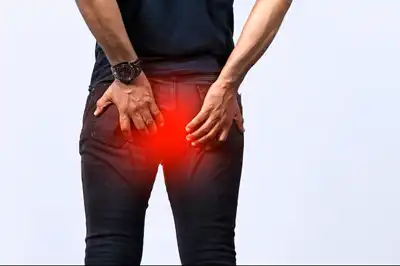
Piles, also known as Hemorrhoids, are swollen and inflamed veins in the lower rectum or anus that cause pain, itching, and bleeding during bowel movements. They are one of the most common anorectal conditions affecting both men and women, especially adults who have constipation, sedentary habits, or prolonged sitting jobs.
Piles can be internal (inside the rectum) or external (around the anus). While mild cases cause discomfort, severe cases can lead to intense pain, swelling, and bleeding, making daily life difficult.
What are the common symptoms of Piles?
Symptoms of piles depend on their location and severity. Common signs include:
- Pain or burning sensation during or after passing stool
- Bleeding during bowel movements (bright red blood)
- Swelling or a lump around the anus
- Itching or irritation near the anal region
- Mucus discharge after stool
- Feeling of incomplete evacuation
- Pain while sitting for long periods
In severe cases, the swollen veins may come out of the anus (prolapsed piles), which can be very painful.
What causes Piles?
Several factors can increase pressure in the rectal veins, leading to the development of piles. Common causes include:
- Chronic Constipation: Straining during bowel movements increases pressure in the anal veins.
- Prolonged Sitting: Sitting for long hours, especially on hard surfaces, reduces blood flow and weakens veins.
- Low-Fiber Diet: Lack of fruits, vegetables, and whole grains leads to hard stools and straining.
- Pregnancy: Increased pressure in the pelvic area causes veins to swell.
- Obesity: Extra body weight adds pressure on the rectal veins.
- Sedentary Lifestyle: Lack of movement slows digestion, increasing the risk of constipation.
- Chronic Diarrhea: Frequent loose motions can also irritate and strain the veins.
- Heavy Lifting: Repeated straining or lifting heavy weights increases rectal pressure.
Types of Piles
Piles are classified based on their location and severity:
- Internal Piles: Located inside the rectum, usually painless but may cause bleeding.
- External Piles: Found around the anus and often painful, especially during passing stool.
- Prolapsed Piles: When internal piles bulge out through the anus.
- Thrombosed Piles: When a blood clot forms inside an external pile, it causes severe pain and swelling.
Who is at risk of developing Piles?
You are more likely to develop piles if you have:
- Chronic constipation or irregular bowel habits
- Low-fiber or spicy diet
- Lack of physical activity
- Obesity or overweight
- Pregnancy or recent childbirth
- Habit of sitting or standing for long hours
- Family history of piles
Are piles a serious condition?
Most cases of piles are not serious and can be managed with dietary changes and proper treatment. However, untreated piles may worsen and lead to complications such as:
- Severe bleeding leading to anemia
- Painful blood clots (thrombosis)
- Infection or abscess formation
- Mucus discharge or itching
- Prolapse of the piles that may require surgery
Timely homeopathic treatment can prevent these complications and offer lasting relief.
How is Piles diagnosed?
Diagnosis is usually simple and based on symptoms and a physical examination. Your doctor may suggest:
- Visual or Digital Examination: To check external or internal swelling.
- Proctoscopy or Anoscopy: To view the inside of the anal canal.
- Sigmoidoscopy or Colonoscopy: To rule out other conditions like fissures or polyps if needed.
How are Piles treated?
Treatment depends on the type and severity of piles. The main goal is to relieve pain, stop bleeding, and prevent recurrence.
- Lifestyle and Dietary Changes
- Eat a high-fiber diet (fruits, vegetables, and whole grains).
- Drink plenty of water throughout the day.
- Avoid spicy, oily, and junk foods.
- Do not strain during bowel movements.
- Exercise regularly to improve digestion.
- Avoid prolonged sitting or standing.
- Conventional Medications
Doctors may prescribe:
- Topical creams or ointments for pain and itching.
- Laxatives or stool softeners to ease bowel movements.
- Pain relief medicines for inflammation.
In severe cases, procedures like banding, sclerotherapy, or surgery may be suggested, but they carry risks of recurrence.
How are Piles treated through homeopathy?
Homoeopathy provides a safe, natural, and long-lasting solution for piles by addressing the root cause, such as chronic constipation, poor digestion, or sedentary habits. It reduces pain, bleeding, and swelling without surgery or side effects. Homeopathy is the best piles treatment without surgery.
- Individualized Approach
Homeopathic treatment is tailored to each patient’s symptoms, dietary pattern, and lifestyle. It aims to correct digestion, improve bowel habits, and strengthen rectal veins naturally.
- Commonly Used Homoeopathic Medicines for Piles
- Aesculus Hippocastanum: For painful piles with a feeling of fullness or heaviness in the rectum.
- Hamamelis Virginica: For bleeding piles with soreness and burning pain.
- Nux Vomica: For piles due to a sedentary lifestyle, constipation, or excessive coffee and spicy food.
- Aloe Socotrina: For protruding piles with mucus discharge and itching.
- Sulphur: For chronic piles with burning and discomfort, especially at night.
- Calcarea Fluorica: For hard, knotty piles with prolonged sitting habits.
- Benefits of Homoeopathic Treatment
- Treats piles naturally without surgery
- Stops bleeding and relieves pain
- Improves digestion and bowel movement
- Prevents recurrence
- Safe for all ages, including pregnant women
Home Remedies for Piles
You can also follow these natural tips at home:
- Drink warm water with lemon every morning.
- Add more fiber to your daily meals.
- Sit in warm water (sitz bath) for 10–15 minutes to reduce pain.
- Avoid sitting for long hours.
- Include papaya, banana, and buttermilk in your diet.
- Avoid straining during stool.
Can Piles be prevented?
Yes, piles can be prevented with healthy habits such as:
- Eating a fiber-rich diet
- Drinking plenty of water
- Avoiding junk and spicy food
- Exercising daily
- Maintaining a healthy body weight
- Managing stress
- Avoiding constipation and straining
Piles are a common yet manageable condition that can cause discomfort, bleeding, and pain if ignored. Early treatment and healthy lifestyle habits can prevent complications and provide long-term relief.
Homoeopathy offers a gentle and effective solution by treating the root cause, improving digestion, and strengthening rectal veins — ensuring permanent relief without surgery or side effects.
Why choose Dr. Sanjay’s Homoeopathy for Piles Treatment in Lucknow, India?
Dr. Sanjay’s Homoeopathy is a leading and trusted clinic for Piles treatment in Lucknow, India, offering natural, painless, and effective homeopathic treatment. Dr. Sanjay Singh, with years of experience in treating digestive and rectal disorders, focuses on curing the root cause of piles through individualized homeopathic medicines and lifestyle correction.
Patients trust Dr. Sanjay’s Homoeopathy for its non-surgical treatment, holistic approach, and long-lasting results. Many patients have found permanent relief from chronic piles under Dr. Sanjay’s care without any side effects or recurrence. Patients from across the world trust Dr. Sanjay Singh for the treatment of Piles through Homeopathy. He treats thousands of Piles Patients without surgery, through Homeopathy.