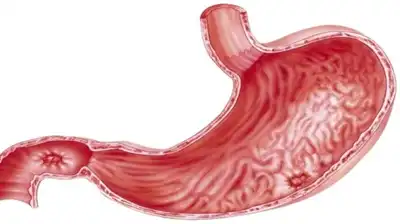
What is Peptic Ulcer?
A Peptic Ulcer is a sore or open wound that develops on the inner lining of the stomach or the upper part of the small intestine (duodenum). It occurs when the protective layer of the digestive tract becomes weak and the acid produced by the stomach damages the underlying tissues.
There are two main types of peptic ulcers — gastric ulcers, which occur in the stomach, and duodenal ulcers, which develop in the small intestine. In some cases, both may occur together.
Peptic Ulcers are quite common and can cause burning pain, discomfort, and other digestive symptoms. They often develop due to infection with Helicobacter pylori (H. pylori), excessive use of painkillers, stress, or irregular eating habits.
What are the common symptoms of Peptic Ulcer?
Symptoms may vary depending on the severity and location of the ulcer. The most common signs include:
- Burning or gnawing pain in the upper abdomen (often between meals or at night)
- Indigestion or heartburn
- Bloating or a feeling of fullness
- Nausea or vomiting
- Loss of appetite
- Weight loss
- Dark or black stools (indicating bleeding)
- Fatigue due to blood loss (in chronic cases)
Pain is often relieved temporarily by eating or taking antacids but tends to return later.
What causes Peptic Ulcer?
Peptic ulcers usually develop due to an imbalance between stomach acid and the protective mucus that lines the digestive tract. Major causes include:
- Helicobacter pylori (H. pylori) infection: This bacteria weakens the stomach’s defense layer and increases acid sensitivity.
- Excess acid production: Triggered by stress, spicy food, or irregular meals.
- Frequent use of painkillers: Long-term use of NSAIDs like aspirin, ibuprofen, or naproxen can damage the stomach lining.
- Smoking and alcohol: Both irritate the stomach and delay healing.
- Stress and anxiety: These factors increase acid secretion and worsen symptoms.
- Family history: Some people are genetically more prone to ulcers.
Types of Peptic Ulcer
Peptic Ulcers are mainly categorized into:
- Gastric Ulcer: Ulcer formed inside the stomach lining.
- Duodenal Ulcer: Ulcer formed in the upper part of the small intestine (duodenum).
Both types share similar symptoms but may differ slightly in their triggers and timing of pain.
Who is at risk of developing Peptic Ulcer?
You are more likely to develop a peptic ulcer if you:
- Have H. pylori infection
- Regularly use painkillers or anti-inflammatory drugs
- Consume spicy, oily, or acidic foods frequently
- Smoke or drink alcohol
- Have irregular eating and sleeping habits
- Experience chronic stress
- Have a family history of ulcers
Is Peptic Ulcer serious?
If left untreated, peptic ulcers can lead to complications such as:
- Bleeding from the ulcer site
- Perforation (a hole in the stomach or intestine wall)
- Blockage of the digestive tract
- Chronic anemia due to internal bleeding
While most ulcers can heal with proper treatment, neglecting symptoms can lead to serious health risks.
How is Peptic Ulcer diagnosed?
Doctors may perform one or more of the following tests to confirm peptic ulcer:
- Endoscopy: To visually inspect the stomach and intestine lining.
- H. pylori test: Blood, stool, or breath test to detect bacterial infection.
- Barium X-ray: To identify ulcers and structural abnormalities.
- Blood test: To check for anemia or infection.
How is Peptic Ulcer treated?
The main goal of treatment is to reduce acid production, eliminate infection, heal the ulcer, and prevent recurrence.
- Lifestyle and Dietary Changes
- Eat smaller and more frequent meals.
- Avoid spicy, fried, and acidic foods.
- Limit tea, coffee, and carbonated beverages.
- Avoid alcohol and smoking.
- Don’t lie down immediately after eating.
- Manage stress through yoga or relaxation exercises.
- Medications
Doctors may recommend:
- Antacids: To neutralize stomach acid.
- H2 blockers or PPIs: To reduce acid secretion.
- Antibiotics: To treat H. pylori infection.
- Protective agents: To form a barrier over the ulcer for healing.
How is Peptic Ulcer treated through Homoeopathy?
Homoeopathy offers a safe and natural way to heal peptic ulcers by addressing the root cause — whether it’s infection, stress, or acid imbalance. It strengthens the stomach lining, promotes healing, and prevents recurrence without side effects.
- Individualized Approach
Every treatment is customized to match the patient’s unique symptoms, lifestyle, and emotional triggers, ensuring lasting relief and overall digestive balance.
- Commonly Used Homoeopathic Medicines for Peptic Ulcer
- Nux Vomica: For ulcers caused by stress, alcohol, coffee, or overeating; relieves burning and acidity.
- Carbo Vegetabilis: For bloating, gas, and heaviness after meals.
- Robinia Pseudacacia: For strong acid reflux and sour belching, especially at night.
- Lycopodium: For fullness after small meals, acidity, and belching.
- Arsenicum Album: For burning pain with restlessness and weakness.
- Iris Versicolor: For sour vomiting and burning in the stomach and chest.
- Benefits of Homoeopathic Treatment
- Treats the root cause naturally
- Promotes healing of stomach lining
- Prevents recurrence of ulcers
- Improves digestion and appetite
- Completely safe for long-term use
Home Remedies for Peptic Ulcer
You can support your recovery by following these simple home tips:
- Drink lukewarm water in the morning.
- Eat meals on time and avoid overeating.
- Consume buttermilk or coconut water daily.
- Include banana and cucumber in your diet.
- Avoid spicy and fried food.
- Reduce tea, coffee, and alcohol consumption.
- Practice meditation or breathing exercises to relieve stress.
Can stress cause Peptic Ulcer?
Yes. Stress doesn’t directly cause ulcers but worsens symptoms by increasing acid secretion and slowing healing. Managing stress is crucial for complete recovery and preventing recurrence.
Can Peptic Ulcer be prevented?
Yes, it can be prevented by maintaining a healthy lifestyle:
- Eat regular, balanced meals
- Avoid spicy and fried foods
- Quit smoking and limit alcohol
- Manage stress effectively
- Get enough sleep and rest
- Avoid unnecessary painkiller use
Peptic Ulcer is a common digestive condition caused by an imbalance between stomach acid and its protective lining. With timely treatment, dietary care, and proper management, most ulcers can heal completely.
Homoeopathy offers a holistic and long-lasting solution by targeting the root cause, strengthening digestion, and preventing future recurrence — naturally and safely.
Why choose Dr. Sanjay’s Homoeopathy for Peptic Ulcer Treatment in Lucknow, India?
Dr. Sanjay’s Homoeopathy is one of the most trusted clinics for Peptic Ulcer treatment in Lucknow, India. With years of expertise, Dr. Sanjay Singh provides safe and effective homeopathic remedies that heal the stomach lining, relieve acidity, and prevent recurrence naturally. Each treatment is personalized to address the patient’s unique cause — whether stress, infection, or dietary imbalance. Patients trust Dr. Sanjay’s Homoeopathy for its compassionate care, natural healing approach, and long-lasting results.
Dr. Sanjay Singh has over two decades of experience in treating Peptic Ulcer and other digestive disorders through homeopathy, helping patients achieve lasting recovery and better digestive health. Patient from all over the world trust Dr. Sanjay Singh for his Peptic Ulcer Homeopathic Treatment approach. He successfully treats thousands of patients through homeopathy, who suffered from Peptic Ulcer Disease.