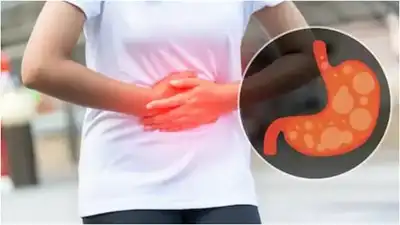
What is Acid Peptic Disorder?
Acid Peptic Disorder (APD) is a common digestive condition caused by an imbalance between the acid produced in the stomach and the protective lining of the digestive tract. This condition includes a group of problems such as gastritis, acid reflux, heartburn, peptic ulcers, and duodenal ulcers.
Normally, the stomach produces acid to help digest food. However, when this acid becomes excessive or the protective layer of the stomach becomes weak, it can lead to irritation, inflammation, and ulcer formation.
Acid Peptic Disorder affects people of all ages but is more common in adults who have stressful lifestyles, irregular eating habits, or who consume spicy and oily foods.
What are the common symptoms of Acid Peptic Disorder?
Symptoms of Acid Peptic Disorder may vary depending on the severity and underlying cause. Common signs include:
-
Burning sensation or pain in the upper abdomen (especially after meals)
-
Acidity or heartburn
-
Nausea and vomiting
-
Loss of appetite or early fullness
-
Bloating or belching
-
Sour taste in the mouth or acid reflux
-
Indigestion or heaviness after eating
-
Black or tarry stools (if bleeding occurs in the stomach)
-
Unexplained weight loss (in severe or chronic cases)
The discomfort often worsens when the stomach is empty or during the night.
What causes Acid Peptic Disorder?
Several factors can lead to Acid Peptic Disorder. The main causes include:
1. Excess Acid Production: Overproduction of gastric acid can irritate the stomach and duodenal lining, leading to ulcers.
2. Helicobacter pylori (H. pylori) Infection: This bacterial infection weakens the stomach’s protective layer, making it more susceptible to acid damage.
3. Irregular Eating Habits: Skipping meals, overeating, or consuming junk food can disturb the digestive balance.
4. Stress and Anxiety: Chronic stress affects acid secretion and delays digestion, increasing acidity.
5. Excessive Use of Painkillers: Drugs like ibuprofen, aspirin, or NSAIDs can damage the stomach lining with long-term use.
6. Alcohol and Smoking: Both can increase acid secretion and reduce the protective mucus in the stomach.
7. Spicy and Oily Food: Regular consumption of heavy, spicy, or fried foods irritates the stomach lining.
Types of Acid Peptic Disorder
Acid Peptic Disorder can be classified into the following types:
1. Gastritis: Inflammation of the stomach lining, often caused by infection, alcohol, or prolonged medication use.
2. Peptic Ulcer: An open sore that develops in the stomach or upper intestine (duodenum).
3. Duodenal Ulcer: Occurs in the first part of the small intestine and is usually linked to acid overproduction.
4. Gastroesophageal Reflux Disease (GERD): A condition in which stomach acid frequently flows back into the esophagus, causing heartburn and irritation.
5. Zollinger-Ellison Syndrome: A rare condition where tumors in the pancreas or duodenum cause the stomach to produce excess acid.
Who is at risk of developing Acid Peptic Disorder?
Certain lifestyle and health factors increase the risk of APD, such as:
-
Excessive stress or anxiety
-
Irregular meal patterns
-
High intake of spicy, fried, or junk food
-
Smoking or alcohol consumption
-
Long-term use of painkillers or steroids
-
Family history of ulcers
-
H. pylori infection
-
Chronic illnesses like diabetes or liver disease
Is Acid Peptic Disorder serious?
Most cases are mild and manageable with treatment and dietary changes. However, untreated or chronic APD can cause complications such as:
-
Bleeding ulcers
-
Perforation (hole in the stomach wall)
-
Stomach outlet obstruction
-
Chronic gastritis
-
Anemia due to blood loss
Therefore, timely diagnosis and proper care are essential.
How is Acid Peptic Disorder diagnosed?
Your doctor may perform the following tests to confirm Acid Peptic Disorder:
-
Physical examination and symptom discussion
-
Endoscopy: To view ulcers or inflammation inside the stomach.
-
H. pylori test: Blood, stool, or breath test to detect infection.
-
Barium X-ray: To detect ulcers or abnormal growth.
-
Blood test: To check for anemia or infection.
How is Acid Peptic Disorder treated?
Treatment depends on the underlying cause and severity. The goal is to reduce acid levels, heal the lining, and prevent recurrence.
1. Lifestyle and Dietary Changes
-
Eat small, frequent meals instead of heavy ones.
-
Avoid spicy, fried, or acidic foods.
-
Stay away from alcohol, caffeine, and carbonated drinks.
-
Do not lie down immediately after eating.
-
Quit smoking.
-
Manage stress through yoga or meditation.
2. Medications
Doctors may prescribe:
-
Antacids: To neutralize stomach acid.
-
H2 Blockers or Proton Pump Inhibitors (PPIs): To reduce acid production.
-
Antibiotics: For H. pylori infection.
-
Protective agents: To coat and protect the stomach lining.
3. Surgical Treatment
Rarely required unless there are complications like perforation or uncontrolled bleeding.
How is Acid Peptic Disorder treated through Homoeopathy?
Homoeopathy offers a safe and natural way to treat Acid Peptic Disorder by addressing the root cause of acid imbalance, rather than just suppressing symptoms. It helps restore digestive harmony, reduces acidity, and prevents relapses.
1. Individualized Approach
Homoeopathic treatment is tailored to each person’s unique symptoms, eating habits, and emotional state, ensuring complete and long-lasting recovery.
2. Commonly Used Homoeopathic Medicines for Acid Peptic Disorder
-
Nux Vomica:
For acidity due to overeating, stress, or excessive coffee and alcohol intake. Relieves burning, nausea, and irritability. -
Carbo Vegetabilis:
Useful for bloating, gas, and heaviness after meals. Ideal for people who feel weak and have sluggish digestion. -
Robinia Pseudacacia:
Excellent for strong sour belching, heartburn, and acid reflux that worsens at night. -
Iris Versicolor:
Helps in acidity with burning in the chest and vomiting of sour fluids. -
Lycopodium Clavatum:
For bloating, fullness after eating small quantities, and sour eructations. -
Natrum Phosphoricum:
Gentle and effective in managing acid reflux, especially after heavy meals.
3. Benefits of Homoeopathic Treatment
-
Treats the root cause naturally
-
Relieves burning and discomfort without side effects
-
Prevents recurrence of acidity and ulcers
-
Improves digestion and appetite
-
Safe for all age groups
Homoeopathy brings overall digestive balance and long-term comfort without dependency on chemical medicines.
Home Remedies for Acid Peptic Disorder
You can also follow these simple home remedies to control acidity naturally:
-
Drink lukewarm water in the morning.
-
Eat meals on time and chew food slowly.
-
Avoid lying down immediately after eating.
-
Consume buttermilk or cold milk for instant relief.
-
Include banana, cucumber, and coconut water in your diet.
-
Avoid overuse of tea, coffee, and alcohol.
-
Practice deep breathing or light yoga for stress relief.
Can stress cause Acid Peptic Disorder?
Yes. Mental stress and anxiety can increase stomach acid production and delay digestion. Regular relaxation exercises, yoga, and meditation can help reduce the frequency and intensity of symptoms.
Can Acid Peptic Disorder be prevented?
Yes, you can prevent APD with simple lifestyle changes:
-
Eat balanced and timely meals
-
Avoid spicy and oily foods
-
Limit caffeine and alcohol
-
Quit smoking
-
Manage stress
-
Maintain healthy body weight
-
Sleep adequately
-
Avoid unnecessary use of painkillers
Conclusion
Acid Peptic Disorder is a common but manageable digestive problem that occurs when the natural acid balance of the stomach is disturbed. With the right combination of dietary care, stress management, and medical or homeopathic treatment, most people recover fully and prevent future episodes.
Homoeopathy offers a gentle and long-lasting solution, addressing the root cause and improving your overall digestive health naturally.
If you frequently suffer from acidity, burning, or indigestion, don’t ignore it — seek early evaluation and treatment.
Why choose Dr. Sanjay’s Homoeopathy for Acid Peptic Disorder Treatment in Lucknow, India?
Dr. Sanjay’s Homoeopathy is one of the most trusted clinics for Acid Peptic Disorder treatment in Lucknow, India. We offer safe and effective homeopathic remedies that provide lasting relief from symptoms of acidity and ulcers. With years of experience, Dr Sanjay Singh focuses on the root cause of digestive imbalance, using individualised medicines that not only relieve burning and discomfort but also improve overall digestion naturally. Patients prefer Dr. Sanjay’s Homoeopathy for its personalised care, natural healing methods, and long-term results — making it a leading choice for Acid Peptic Disorder treatment in Lucknow, India. Dr. Sanjay Singh has more than two decades of experience in treating Acid Peptic Disorder through homeopathy in Lucknow. Patients from across the world trust Dr. Sanjay Singh for his Acid Peptic Disorder root cause treatment approach of Acid Peptic Disorder.