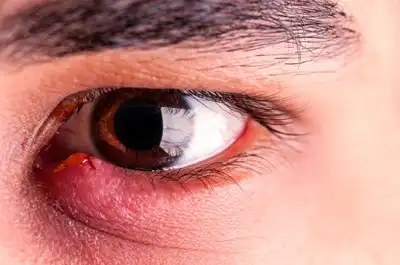
What is Blepharitis?
Blepharitis is a common eye condition that causes inflammation of the eyelids, especially along the edges where the eyelashes grow. It can affect one or both eyes and often causes redness, irritation, burning, itching, and crusting around the eyelids.
While Blepharitis is not contagious or sight-threatening, it can be uncomfortable and may lead to other eye issues such as dry eyes, styes, or conjunctivitis if left untreated. It is usually a chronic condition, meaning it can come and go over time.
What are the common symptoms of Blepharitis?
Blepharitis symptoms may vary in severity, but commonly include:
- Red, swollen, or irritated eyelids
- Itching or burning sensation in the eyes
- Crusting or flakes at the base of eyelashes
- Gritty or sandy feeling in the eyes
- Sensitivity to light
- Watery eyes or excessive tearing
- Sticking of eyelids, especially after sleep
- Loss or misdirection of eyelashes (in severe cases)
- Dry eyes or blurred vision occasionally
Symptoms are often worse in the morning and may flare up repeatedly if not managed properly.
What causes Blepharitis?
Blepharitis can have several causes, and sometimes more than one factor is responsible. The most common include:
- Bacterial Infection: Caused by Staphylococcus bacteria that live harmlessly on the skin but may multiply and irritate the eyelids.
- Seborrheic Dermatitis: A skin condition that affects areas rich in oil glands, leading to dandruff-like flakes around the eyelids and eyebrows.
- Meibomian Gland Dysfunction (MGD): The oil glands in the eyelids (meibomian glands) become blocked, causing dry, irritated eyes.
- Allergic Reactions: Sensitivity to makeup, contact lens solutions, or environmental allergens.
- Rosacea: A chronic skin condition causing redness and inflammation on the face and eyelids.
- Poor Eyelid Hygiene: Not cleaning the eyelid area regularly can allow oil, dirt, and bacteria to build up.
Types of Blepharitis
Blepharitis is mainly categorised into two types:
- Anterior Blepharitis
- Affects the outer edge of the eyelid (near the base of the eyelashes).
- Usually caused by bacteria or dandruff-like skin conditions.
- Posterior Blepharitis
- Affects the inner edge of the eyelid (the part that touches the eyeball).
- Usually related to Meibomian gland dysfunction.
Some people may have both types simultaneously.
Who is at risk of developing Blepharitis?
You may be more prone to Blepharitis if you:
- Have oily skin or dandruff
- Suffer from acne rosacea
- Wear eye makeup frequently
- Have dry eyes or use contact lenses
- Are exposed to dust or pollution regularly
- Have poor eyelid hygiene
Is Blepharitis contagious?
No, Blepharitis is not contagious. However, it can be chronic and recurrent if proper eyelid care is not maintained.
How is Blepharitis diagnosed?
An eye specialist can diagnose Blepharitis through a simple eye examination. They may:
- Use a slit lamp (a special microscope) to examine your eyelids and lashes.
- Check for blocked oil glands or signs of infection.
- Take a sample of eyelid crust or oil for laboratory testing if needed.
How is Blepharitis treated?
Although Blepharitis cannot always be completely cured, it can be effectively managed with proper eyelid hygiene and medical treatment.
- Regular Eyelid Cleaning
- Clean your eyelids daily with a clean, damp cloth or cotton swab.
- Use mild baby shampoo or a recommended eyelid cleanser diluted in warm water.
- Gently remove crusts and flakes near the lash line.
- Warm Compresses
- Apply a warm, moist cloth over closed eyelids for 5–10 minutes to soften crusts and unclog oil glands.
- Antibiotic Treatment
- In bacterial cases, your doctor may prescribe antibiotic eye drops or ointments.
- Artificial Tears
- To relieve dryness and irritation.
- Avoid Makeup
- Avoid using eye makeup during active infection, and replace old cosmetic products.
How is Blepharitis treated through homeopathy?
Homoeopathy offers a safe, natural, and effective approach to treating Blepharitis by addressing the root cause rather than just managing the symptoms. It helps in reducing inflammation, improving oil gland function, and preventing recurrences.
- Individualized Treatment
In homoeopathy, medicines are chosen after a detailed understanding of the patient’s symptoms, lifestyle, and body constitution. This personalised approach ensures lasting relief.
- Commonly Used Homoeopathic Medicines for Blepharitis
- Euphrasia Officinalis (Eyebright):
Useful for burning, watery eyes, and inflammation that worsens in bright light. - Graphites:
Ideal for sticky, yellowish discharge and crusty deposits at the lash line. Often prescribed when the eyelids are thickened and the skin around them is dry. - Staphysagria:
Best suited when Blepharitis follows eye surgery or frequent eye rubbing. - Pulsatilla:
Effective for swollen eyelids with yellow-green discharge, especially when symptoms worsen in warm rooms and improve in cool air. - Sulphur:
Helpful in chronic Blepharitis with itching, burning, and redness, especially when symptoms are worse in the morning. - Natrum Muriaticum:
Recommended when eyelids are red, swollen, and sticky in the morning with dryness of the eyes.
- Benefits of Homoeopathic Treatment
- Provides long-term relief without side effects
- Reduces frequency and intensity of flare-ups
- Improves eyelid hygiene and gland function naturally
- Safe for children and adults alike
Homoeopathy not only soothes inflammation but also strengthens the eyes, reducing the chance of recurrence.
Home Remedies for Blepharitis
Along with medical or homeopathic treatment, you can follow these simple home remedies for relief:
- Clean your eyelids regularly using a mild cleanser.
- Apply warm compresses 2–3 times a day.
- Avoid touching or rubbing your eyes.
- Maintain good facial and scalp hygiene.
- Use a humidifier to prevent dryness in the air.
- Replace old makeup and contact lenses regularly.
- Eat a healthy diet rich in Omega-3 fatty acids (like fish, flaxseeds, and walnuts).
Can Blepharitis cause complications?
If not treated properly, chronic Blepharitis can lead to:
- Styes or Chalazion (eyelid cysts)
- Conjunctivitis (pink eye)
- Dry Eye Syndrome
- Damage or loss of eyelashes
- Corneal inflammation (Keratitis)
Hence, early and proper treatment is essential.
Can Blepharitis be prevented?
Yes! Following these simple steps can help prevent Blepharitis or reduce its recurrence:
- Maintain daily eyelid hygiene
- Wash your hands before touching your eyes
- Keep your face and scalp clean
- Avoid sharing towels, pillows, or makeup
- Take regular breaks from screens to reduce eye strain
- Visit your eye specialist for regular checkups
Blepharitis is a common yet manageable condition that affects the eyelids, leading to redness, irritation, and crusting. With proper hygiene, lifestyle care, and timely treatment, it can be controlled effectively.
Homoeopathic treatment provides a natural and holistic approach by reducing inflammation, soothing the eyes, and addressing the underlying cause — all without side effects.
If you experience frequent eyelid irritation, scaling, or discomfort, it’s important to seek early medical attention for lasting relief.