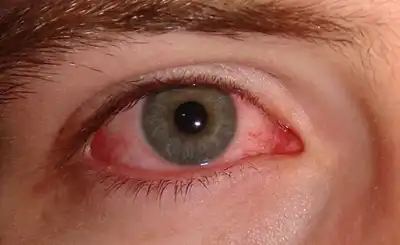
What is Conjunctivitis (Pink Eye)?
Conjunctivitis, commonly known as Pink Eye, is an inflammation or infection of the conjunctiva — the thin, transparent tissue that lines the inside of your eyelids and covers the white part of your eyeball. When the small blood vessels in the conjunctiva become inflamed, they become more visible, giving your eyes a reddish or pink appearance.
Conjunctivitis can affect one or both eyes and may cause discomfort, itching, discharge, and swelling. It is usually not serious, but because it can be contagious, proper care and hygiene are very important.
What are the common symptoms of Conjunctivitis?
The symptoms of conjunctivitis may vary depending on its cause (viral, bacterial, or allergic), but common signs include:
- Red or pink appearance of the white part of the eye
- Itching, burning, or irritation in the eyes
- Watery or sticky discharge (more common in bacterial infection)
- Swelling of eyelids
- Crusting around the eyelashes, especially in the morning
- Gritty or sandy feeling in the eyes
- Increased sensitivity to light (photophobia)
- Tearing or watery eyes
- Blurred vision (in severe cases)
If these symptoms persist for more than a few days or are accompanied by severe pain or vision changes, you should see an eye specialist immediately.
What causes Conjunctivitis?
Conjunctivitis can occur due to several reasons. The most common causes include:
- Viral Conjunctivitis
- Caused by viruses (like adenovirus).
- Often associated with a cold, sore throat, or respiratory infection.
- Highly contagious and spreads through coughing, sneezing, or touching contaminated surfaces.
- Bacterial Conjunctivitis
- Caused by bacteria such as Staphylococcus aureus, Streptococcus pneumoniae, or Haemophilus influenzae.
- Produces a thick, yellow or green discharge that may cause the eyelids to stick together.
- It can spread through direct contact with infected hands or objects.
- Allergic Conjunctivitis
- Triggered by allergens like pollen, dust, animal dander, or mould.
- Usually affects both eyes and is accompanied by itching, redness, and tearing.
- Not contagious.
- Chemical or Irritant Conjunctivitis
- Caused by exposure to smoke, chlorine in swimming pools, or harmful chemicals.
- It can lead to redness and burning, but it is not infectious.
Who is at risk for Conjunctivitis?
You are more likely to get conjunctivitis if you:
- Come in close contact with someone who has pink eye
- Have allergies or frequent sinus infections
- Use contact lenses without proper hygiene
- Work in crowded or shared environments like schools or offices
- Touch your eyes with unwashed hands
- Suffer from cold or flu frequently
Is Conjunctivitis contagious?
Yes, viral and bacterial conjunctivitis are highly contagious. They can easily spread from one person to another through:
- Hand-to-eye contact after touching contaminated surfaces
- Sharing towels, makeup, or pillowcases
- Coughing or sneezing near others
To prevent spreading, always wash your hands frequently, avoid touching your eyes, and do not share personal items.
How is Conjunctivitis diagnosed?
An eye specialist can diagnose conjunctivitis by:
- Asking about your symptoms and recent infections
- Examining the eyes with a light and a magnifier
- Checking for discharge, swelling, and redness
- In some cases, a sample of eye discharge may be taken to determine the exact cause (viral, bacterial, or allergic).
What are the types of Conjunctivitis?
Conjunctivitis can be categorised into the following types:
- Viral Conjunctivitis – watery discharge, contagious, often resolves in 1–2 weeks.
- Bacterial Conjunctivitis – thick discharge, contagious, may need antibiotic drops.
- Allergic Conjunctivitis – itchy eyes due to allergens, not contagious.
- Irritant Conjunctivitis – caused by smoke, dust, or chemicals.
How is Conjunctivitis treated?
Treatment depends on the underlying cause:
- Viral Conjunctivitis
- Usually clears on its own within 1–2 weeks.
- Apply cold compresses to reduce redness and discomfort.
- Use artificial tears to soothe irritation.
- Maintain good hygiene to prevent spreading.
- Bacterial Conjunctivitis
- Treated with antibiotic eye drops or ointments prescribed by a doctor.
- Avoid touching or rubbing your eyes.
- Wash your hands frequently and change pillowcases daily.
- Allergic Conjunctivitis
- Avoid exposure to known allergens.
- Use antihistamine eye drops or oral allergy medications.
- Cold compresses can relieve itching and swelling.
- Chemical Conjunctivitis
- Rinse your eyes immediately with clean water.
- Seek medical attention if irritation continues.
How is Conjunctivitis treated through Homoeopathy?
Homoeopathy offers a gentle and natural way to treat Conjunctivitis by focusing on the root cause, whether it’s infection, allergy, or irritation. Instead of only relieving symptoms, homoeopathic medicines help strengthen your immune system and reduce the frequency of recurrence.
- Individualized Treatment
Homoeopathy doesn’t use a “one-size-fits-all” approach. The doctor studies your symptoms, medical history, and body’s response before prescribing the best-suited medicine.
- Commonly Used Homoeopathic Medicines for Conjunctivitis
- Euphrasia (Eyebright):
Best for watery eyes, burning, and redness with a sensation of sand in the eyes. - Belladonna:
Suitable for sudden redness, swelling, and sensitivity to light with throbbing pain. - Argentum Nitricum:
Effective for thick, yellow discharge and redness caused by bacterial infection. - Apis Mellifica:
For swollen eyelids, burning, and stinging pain that improves with cold compress. - Pulsatilla:
Useful when there is thick, greenish discharge and symptoms worsen in warm rooms but improve in open air. - Sulphur:
For chronic or recurring conjunctivitis with itching and burning, especially in the morning.
- Benefits of Homoeopathic Treatment
- Provides long-term relief without side effects
- Helps prevent frequent infections
- Suitable for children and adults alike
- Strengthens the body’s natural defence system
Homoeopathy treats both acute infections and chronic allergic eye conditions effectively and safely.
What are the best home remedies for Conjunctivitis?
You can follow these home remedies to get quick relief:
- Clean your eyes gently with sterile cotton and clean water.
- Apply a cold or warm compress several times a day.
- Avoid touching or rubbing your eyes.
- Do not share towels, napkins, or makeup products.
- Keep your eyes clean and remove discharge regularly.
- Drink plenty of water and get enough sleep.
- If you wear contact lenses, stop using them until your eyes fully heal.
Can Conjunctivitis cause serious complications?
In most cases, conjunctivitis is mild and resolves without lasting damage. However, if left untreated, severe bacterial infections may lead to corneal ulcers, scarring, or vision problems.
Seek medical help immediately if you experience:
- Severe pain
- Sudden vision loss or blurriness
- Sensitivity to light
- Symptoms lasting longer than two weeks
Can Conjunctivitis be prevented?
Yes. Simple preventive steps can help reduce the risk of getting or spreading pink eye:
- Wash your hands frequently with soap and water.
- Avoid touching or rubbing your eyes.
- Do not share personal items like towels, handkerchiefs, or cosmetics.
- Keep pillowcases and bedsheets clean.
- Avoid close contact with infected individuals.
- Follow good hygiene while using contact lenses.
Conjunctivitis (Pink Eye) is a common but usually mild eye condition that can be easily managed with the right care and treatment. Identifying the cause — whether viral, bacterial, or allergic — helps in choosing the best treatment.
Homoeopathy offers a safe, natural, and effective solution that not only relieves the symptoms but also strengthens the eyes and prevents future infections. Maintaining hygiene, avoiding triggers, and following your doctor’s advice are key to a quick recovery.
Why choose Dr. Sanjay’s Homoeopathy for Conjunctivitis (Pink Eye) Treatment in Lucknow, India?
Dr. Sanjay’s Homoeopathy is a trusted clinic for safe and effective Conjunctivitis (Pink Eye) treatment in Lucknow, India. With years of expertise, Dr. Sanjay Singh provides specialised homoeopathic treatment that helps manage redness, watery eyes, irritation, light sensitivity, burning, itching, and sticky discharge- naturally without side effects. As a leading Conjunctivitis (Pink Eye) homoeopathic doctor in Lucknow, he follows international treatment standards and offers personalised care that focuses on reducing inflammation, preventing infection spread, and strengthening overall eye immunity for faster recovery. Patients choose Dr. Sanjay’s Homoeopathy for its holistic healing, long-lasting relief, and compassionate approach in managing eye conditions like Conjunctivitis. Patients from across the world trust Dr. Sanjay Singh for his treatment approach regarding Conjunctivitis (Pink Eye). He successfully treats thousands of patients of Conjunctivitis (Pink Eye) every year with 98% success rate.