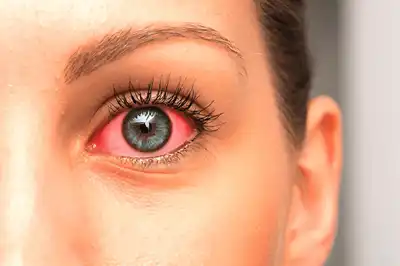
What is Glaucoma?
Glaucoma is a group of eye diseases that cause damage to the optic nerve, the part of the eye that sends visual information to the brain. This damage is often caused by an increase in the fluid pressure inside the eye, known as intraocular pressure (IOP). If not treated early, glaucoma can lead to permanent vision loss or even blindness.
Glaucoma develops slowly and usually shows no early symptoms. Because of this, it is often called the “silent thief of sight.” Regular eye check-ups are very important for early detection and prevention.
What are the common symptoms of glaucoma?
In the early stages, glaucoma may not show any clear symptoms. However, as the disease progresses, you may notice:
- Gradual loss of peripheral (side) vision
- Blurred or hazy vision
- Eye pain or pressure
- Redness in the eye
- Seeing halos around lights
- Headaches, especially around the eyes
- Sudden loss of vision (in acute cases)
In most people, glaucoma develops slowly and painlessly, which makes regular eye exams essential, especially for people above 40 years of age.
What causes glaucoma?
The main cause of glaucoma is damage to the optic nerve due to increased eye pressure. Normally, a clear fluid called aqueous humor flows inside the eye to nourish it. This fluid drains out through special channels. When these channels become blocked or the eye produces too much fluid, the pressure increases, damaging the optic nerve.
Other possible causes include:
- Poor blood flow to the optic nerve
- Eye injuries or inflammation
- Long-term use of steroid medicines
- Certain eye conditions or surgeries
- Family history of glaucoma
What are the risk factors for glaucoma?
Anyone can develop glaucoma, but some factors increase the risk:
- Age above 40 years
- Family history of glaucoma
- High eye pressure (intraocular pressure)
- Diabetes or high blood pressure
- Nearsightedness or farsightedness
- Long-term steroid use
- Previous eye injuries
- Thin corneas
If you fall under any of these categories, you should get regular eye check-ups to detect glaucoma early.
What are the types of glaucoma?
There are several types of glaucoma. The most common include:
- Primary Open-Angle Glaucoma: This is the most common form. The drainage canals can become slowly blocked, increasing eye pressure and damaging the optic nerve. It develops gradually and painlessly.
- Angle-Closure Glaucoma: This occurs when the drainage angle between the iris and cornea suddenly becomes blocked, causing a rapid increase in eye pressure. It is a medical emergency that needs immediate treatment.
- Normal-Tension Glaucoma: In this type, the optic nerve is damaged even though the eye pressure is normal. The exact cause is unknown, but it may involve poor blood flow to the optic nerve.
- Congenital Glaucoma: This form appears in babies due to abnormal eye development. Symptoms may include watery eyes, light sensitivity, and large, cloudy eyes.
- Secondary Glaucoma: This develops due to another condition, such as injury, eye infection, tumor, or medication side effects.
How is glaucoma different from other eye problems?
Unlike cataract or refractive errors that can be corrected with glasses or surgery, glaucoma causes permanent damage to the optic nerve. Once the vision is lost due to glaucoma, it cannot be restored. Treatment aims to prevent further vision loss rather than restore lost sight.
How is glaucoma diagnosed?
An eye specialist can detect glaucoma through a detailed eye examination, which may include:
- Tonometry – measures eye pressure
- Ophthalmoscopy – checks the optic nerve for damage
- Perimetry (Visual Field Test) – checks side vision
- Gonioscopy – examines drainage angles
- Pachymetry – measures corneal thickness
Regular screening is the best way to detect glaucoma early, especially if you are at risk.
Can glaucoma be prevented?
Glaucoma cannot always be prevented, but early detection and proper management can help preserve vision. You can reduce your risk by:
- Getting regular eye check-ups after age 40
- Managing conditions like diabetes and high blood pressure
- Avoiding excessive use of steroid medicines
- Wearing protective eyewear to prevent injuries
- Eating a diet rich in antioxidants (green leafy vegetables, fruits, nuts)
- Staying hydrated and maintaining a healthy lifestyle
What are the treatment options for glaucoma?
The main goal of glaucoma treatment is to lower eye pressure and prevent further nerve damage. Treatment options include:
- Eye Drops: Medicines in the form of drops help decrease eye pressure by reducing fluid production or improving drainage.
- Oral Medications: In some cases, tablets may be prescribed to control eye pressure.
- Laser Treatment: Laser therapy helps open the drainage channels to allow fluid to flow out easily.
- Surgery: If medicines and lasers do not work, surgery may be needed to create a new drainage pathway.
Can homeopathy help in treating glaucoma?
Yes. Homeopathy focuses on improving the overall health of the eyes and controlling the factors that contribute to glaucoma, such as poor blood circulation and nerve weakness. It aims to slow down the progression of the disease and maintain eye health naturally.
Commonly used homeopathic remedies for glaucoma include:
- Phosphorus – for vision weakness and light sensitivity
- Osmium – for increased eye pressure and dim vision
- Belladonna – for acute eye pain and redness
- Comocladia – for eye fullness or heaviness sensation
- Colocynthis – for severe pain extending from the eyes to the head
Homeopathic treatment should always be taken under the supervision of a qualified doctor. It can be used alongside conventional treatment to improve results and overall eye health.
What are the home remedies or lifestyle tips for glaucoma?
While medical care is essential, some simple lifestyle habits can help support eye health:
- Eat foods rich in antioxidants and vitamins A, C, and E
- Avoid smoking and limit caffeine intake
- Do light exercises regularly to improve blood circulation
- Protect your eyes from UV light by wearing sunglasses outdoors
- Practice relaxation techniques like yoga and meditation
- Avoid stress and maintain good sleep hygiene
- Stay hydrated and avoid alcohol or junk food
Can glaucoma cause blindness?
Yes, untreated glaucoma can lead to permanent blindness. The damage to the optic nerve is irreversible, but early detection and regular treatment can help preserve your vision for a lifetime.
Is glaucoma hereditary?
Yes, glaucoma can run in families. If your parents or siblings have glaucoma, your risk is higher. In such cases, regular eye exams are very important even if you have no symptoms.
Who is most at risk of developing glaucoma?
- People above 40 years
- Those with a family history of glaucoma
- Diabetic or hypertensive patients
- People with thin corneas
- Long-term steroid users
- Those with past eye trauma or surgery
Can stress increase glaucoma symptoms?
Yes. Chronic stress can increase eye pressure and worsen glaucoma symptoms. Practicing relaxation, meditation, or yoga can help manage stress levels and protect your eyes.
When should you see a doctor for glaucoma?
Visit an eye specialist immediately if you experience:
- Sudden loss of vision
- Severe eye pain or redness
- Seeing halos or colored rings around lights
- Nausea or vomiting with headache
- Blurred or tunnel vision
Early medical attention can prevent permanent vision loss. Glaucoma is a serious but manageable eye condition. Early diagnosis, regular monitoring, and proper treatment can prevent blindness and help maintain clear vision. By combining medical care with lifestyle improvements and homeopathic support, you can protect your eyes naturally and effectively.
If you notice any signs of vision change, do not ignore them. Consult an experienced eye specialist or homeopathic doctor immediately.
Why choose Dr. Sanjay’s Homoeopathy for Glaucoma Treatment in Lucknow, India?
Dr. Sanjay’s Homoeopathy is a trusted clinic for safe and effective Glaucoma treatment in Lucknow, India. With years of expertise, Dr. Sanjay Singh provides specialized homeopathic treatment that helps manage increased eye pressure, blurred vision, eye pain, headache, and optic nerve damage naturally without side effects. As a leading homeopathic doctor in Lucknow, he follows international treatment standards and offers personalized care that focuses on reducing intraocular pressure, protecting optic nerve health, and preventing further vision loss. Patients choose Dr. Sanjay’s Homoeopathy for its holistic healing, long-lasting relief, and compassionate approach in managing chronic eye conditions like Glaucoma. Patients trust Dr. Sanjay Singh for Glaucoma Homeopathic Treatment in Lucknow, because he treats the glaucoma from its root. Patients from India and other countries trust Dr. Sanjay’s Homoeopathy for Glaucoma Treatment.