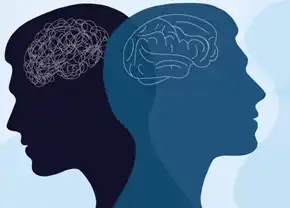
What is Mental Health?
Mental health refers to a person’s emotional, psychological, and social well-being. It affects how we think, feel, and behave. Mental health also plays a key role in how we handle stress, relate to others, and make decisions. Essentially, it influences every aspect of our lives, from our thoughts and actions to our ability to build relationships and meet the challenges we face daily.
Mental health is not just the absence of mental illness; it’s about feeling good and functioning well in all areas of life. People who maintain good mental health can manage stress, work through difficult emotions, and generally have a positive outlook on life.
At Dr. Sanjay’s Homoeopathy Clinic, Mental Health issues are successfully treated by homeopathy. Dr. Sanjay Singh who led this clinic has more than two decades of experience in Mental Health Homeopathic Treatment in Lucknow, India and treats thousands of patients suffering from mental health problems. Patients from many countries trusts Dr. Sanjay’s Homoeopathy for Natural Homeopathic Treatment of Mental Health Issues.
Why is Mental Health Important?
Good mental health is essential because it impacts every area of our life, including our relationships, our ability to achieve goals, and our overall sense of well-being. Here’s why mental health is important:
- Managing Stress Effectively: When mental health is strong, a person is better equipped to handle stress. They are able to find solutions, stay calm under pressure, and deal with challenges more effectively. This means fewer physical and emotional consequences from stress.
- Building Healthy Relationships: Strong mental health helps a person communicate clearly and maintain healthy relationships with family, friends, and colleagues. People with good mental health are generally better at managing emotions, resolving conflicts, and maintaining positive interactions with others.
- Making Sound Decisions: Mental health is crucial for decision-making. When a person is mentally well, they can assess situations more rationally, think clearly, and avoid impulsive actions. This leads to better life choices, both big and small.
- Achieving Goals: A healthy mental state enhances motivation and focus. With good mental health, individuals are more likely to pursue and achieve their goals, whether in work, school, or personal life.
- Living a Productive Life: When mental health is prioritized, people are able to contribute meaningfully to society, whether through their work, their social roles, or their personal achievements. Good mental health is linked to better productivity in all aspects of life.
Moreover, mental health significantly affects physical health. For example, mental health disorders such as anxiety or depression can have physical effects, such as causing heart disease, gastrointestinal issues, or chronic pain. Taking care of mental health is integral to overall wellness.
Types of Mental Health Disorders
Some common mental health disorders include:
- Anxiety Disorders: These include generalized anxiety disorder, panic disorder, and social anxiety.
- Depressive Disorders: Major depressive disorder and dysthymia (persistent depressive disorder).
- Bipolar Disorder: Characterized by extreme mood swings between manic and depressive states.
- Obsessive-Compulsive Disorder (OCD): Involves intrusive thoughts and repetitive behaviors.
- Eating Disorders: Such as anorexia nervosa, bulimia, and binge eating disorder.
- Schizophrenia: A severe disorder that affects thinking, perception, and behavior.
What causes Mental Health Problems?
Mental health problems arise from a combination of biological, life, and environmental factors. Here are some key causes:
- Biological Factors: Genetics can play a role in mental health, as some mental illnesses run in families. Chemical imbalances in the brain, hormonal changes, or neurotransmitter issues can also contribute to disorders like depression, anxiety, or schizophrenia.
- Life Experiences: Trauma, abuse, or a significant loss, such as the death of a loved one or a breakup, can trigger mental health issues. Major life transitions, such as moving to a new city or starting a new job, can also be stressful and affect mental health.
- Family History: A family history of mental illness can increase the risk of developing similar disorders. If close relatives have experienced conditions like anxiety, depression, or bipolar disorder, there may be a genetic predisposition for these issues.
- Social Factors: Isolation, chronic stress, financial difficulties, and work or relationship pressures can also contribute to mental health problems. Environmental stressors and the support systems available can play a big role in mental well-being.
What Are the Early Signs of Mental Illness?
Recognizing the early signs of mental health problems can help individuals seek help before the issues worsen. Common signs to watch for include:
- Persistent sadness or irritability
- Withdrawal from social activities or loved ones
- Dramatic changes in mood or behavior
- Excessive worry, fear, or anxiety
- Difficulty concentrating or making decisions
- Disrupted sleep patterns (either too much or too little)
- Changes in eating habits (loss of appetite or overeating)
- Unexplained physical symptoms, such as headaches or stomachaches
How Can I Improve My Mental Health?
Improving mental health is achievable through lifestyle changes and self-care practices. Here are some strategies that can help:
- Exercise: Physical activity has been shown to boost mood, reduce anxiety, and increase energy levels. It promotes the release of endorphins, which are chemicals in the brain that act as natural mood elevators. Exercise also helps to reduce the levels of stress hormones in the body.
- Sleep: Adequate sleep is essential for emotional regulation and mental clarity. Sleep deprivation can lead to irritability, poor decision-making, and increased vulnerability to stress. Most adults need around 7-9 hours of sleep per night.
- Nutrition: A balanced diet affects mood and brain health. Nutrients such as omega-3 fatty acids, antioxidants, and vitamins help maintain brain function and reduce symptoms of depression and anxiety. Drinking enough water and avoiding excessive caffeine or sugar also plays a role in maintaining mental well-being.
- Social Connection: Relationships are vital to mental health. Staying connected with friends and family provides emotional support and fosters a sense of belonging. Having social interactions can reduce feelings of loneliness and improve overall happiness.
- Mindfulness & Relaxation: Practices like yoga, meditation, and deep breathing exercises can lower stress levels, improve emotional regulation, and reduce anxiety. Mindfulness encourages a person to live in the present moment, which can prevent rumination and improve mental clarity.
- Therapy/Counseling: Speaking to a therapist or counselor is one of the most effective ways to address and manage mental health issues. Therapy can help individuals understand their emotions, thoughts, and behaviors and provide tools to cope with difficult situations.
How Do I Know If I Have Anxiety or Depression?
It can be challenging to differentiate between anxiety and depression since the two often share symptoms. However, there are some key distinctions:
- Anxiety typically involves excessive worry, nervousness, and physical symptoms like a racing heart, sweating, or dizziness. People with anxiety may also experience constant restlessness or irritability.
- Depression is usually marked by persistent feelings of sadness, hopelessness, and a lack of interest in activities that once brought joy. It can also cause fatigue, difficulty concentrating, and feelings of worthlessness.
If you are uncertain, speaking with a mental health professional can help clarify the symptoms and provide a proper diagnosis.
How Are Mental Health Disorders Diagnosed?
Mental health disorders are diagnosed through a combination of:
- Interview with a Mental Health Professional: A therapist, psychiatrist, or psychologist will ask questions about the individual’s mood, behavior, and history to assess symptoms.
- Physical Exam: A physical exam may be conducted to rule out physical conditions that could be contributing to symptoms.
- Psychological Tests or Assessments: These tools help to evaluate emotional functioning and identify patterns in thinking or behavior.
How Does Therapy Help in Mental Health?
Therapy provides a supportive environment where individuals can explore their feelings and gain insights into their behavior. Benefits include:
- Identifying Unhealthy Patterns: Therapy helps recognize negative thinking or behaviors and replace them with healthier ones.
- Coping Skills: Therapists teach coping mechanisms to handle stress, anxiety, and difficult emotions.
- Emotional Support: Therapy provides a safe space to talk through difficult experiences, such as trauma or past hurts.
- Non-judgmental Space: Therapists offer an environment free of judgment where individuals can work through issues without fear.
individuals can lead more fulfilling and productive lives. Recognizing the signs of mental health issues early and seeking help can greatly improve outcomes and quality of life.
Why choose Homoeopathy for Mental Health Treatment
Mental health issues need more than just temporary relief they need personalized, compassionate, and holistic care. Homoeopathy focus on healing from the inside out, addressing the root causes of emotional and psychological imbalance.
1. Detailed Case-Taking & Emotional Understanding: Every patient’s journey is unique. We spend time understanding your personal history, emotional state, personality traits, stress factors, and even your sleep, food habits, and reactions. This in-depth consultation helps us select the most suitable homoeopathic remedy for your specific mental and emotional needs.
2. Individualized & Gentle Treatment: Homoeopathy doesn’t use “one-size-fits-all” medicines. Remedies are prescribed based on the individual, not just the diagnosis. This ensures deep, lasting improvement without suppressing symptoms or causing side effects.
3. Long-Lasting Results: While conventional medicines may give quick but temporary relief, homoeopathy works to balance the mind and body naturally, often leading to long-term stability and reduced recurrence of emotional disturbances.
4. Safe, Non-Addictive & Side-Effect Free: Homoeopathic medicines are gentle, natural, and non-habit forming. They can be safely used by children, adults, and the elderly without risk of dependency or drowsiness, unlike many psychiatric drugs.
5. Regular Follow-Ups & Continuous Support: Mental health treatment requires careful observation and guidance over time. We offer structured follow-ups, progress monitoring, and emotional support to help you through every stage of recovery.
6. Holistic Approach to Mind-Body Wellness: We don’t just treat symptoms we aim to restore overall harmony, improving sleep, digestion, energy levels, confidence, and resilience. This holistic care makes recovery more stable and complete.
7. Experienced & Compassionate Care: With years of clinical experience, Dr. Sanjay’s Homoeopathy has successfully helped patients with anxiety, depression, panic disorders, phobias, exam stress, insomnia, and emotional trauma. Patients receive empathetic, confidential, and personalized care at every step.
Why choose Dr. Sanjay’s Homoeopathy for Mental Health Treatment in Lucknow, India?
Dr. Sanjay’s Homoeopathy is a highly trusted clinic for mental health issues treatment in Lucknow, India, offering safe, gentle, and holistic healing without any dependency-forming medicines. Under the guidance of Dr. Sanjay Singh, an experienced homeopathic doctor who treats thousand of patients suffering from mental health issues. The clinic provides personalized treatment for anxiety, depression, stress, mood swings, insomnia, panic attacks, emotional instability, lack of concentration, and irritability. Dr. Sanjay Singh is one of the best homeopath for Mental Health treatment in Lucknow, India.
Unlike conventional treatments that only suppress symptoms temporarily, Dr. Sanjay focuses on identifying emotional triggers, lifestyle causes, and internal imbalances that affect mental well-being. His customized homeopathic remedies help calm the mind, improve emotional stability, enhance sleep quality, boost confidence, and support overall mental and emotional health naturally.
Patients trust Dr. Sanjay’s Homoeopathy for its compassionate care, non-addictive medicines, long-lasting results, and patient-centered approach, making it a preferred choice for those seeking a safe and natural way to restore mental peace and emotional balance in Lucknow, India.